Home Blog Page 4

Government of Ethiopia: The Basic Modern History Since 10 BC

0
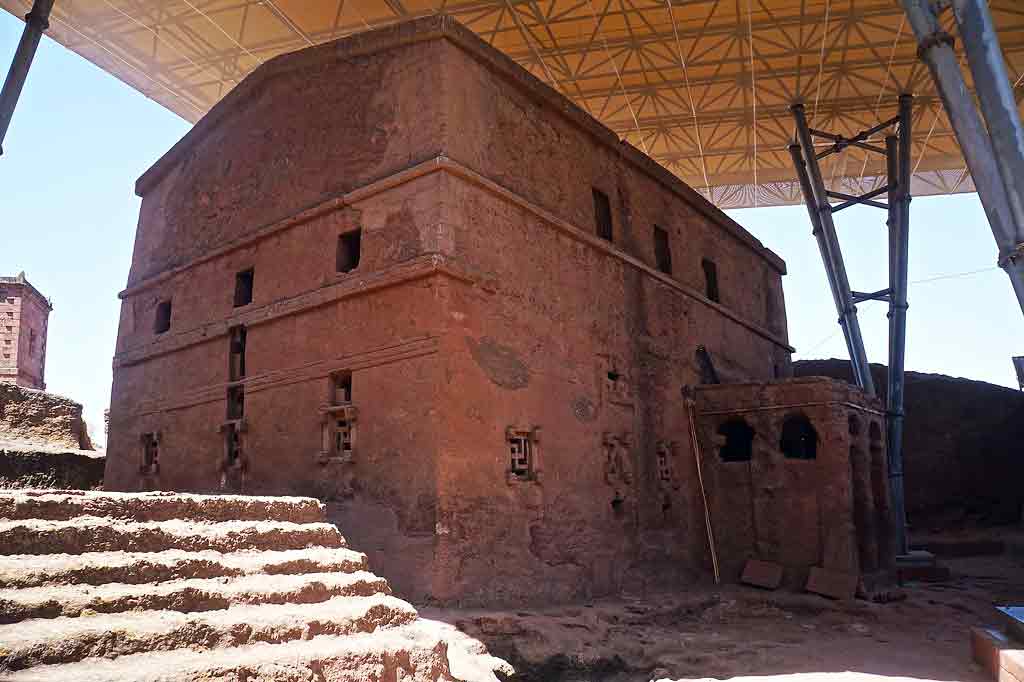
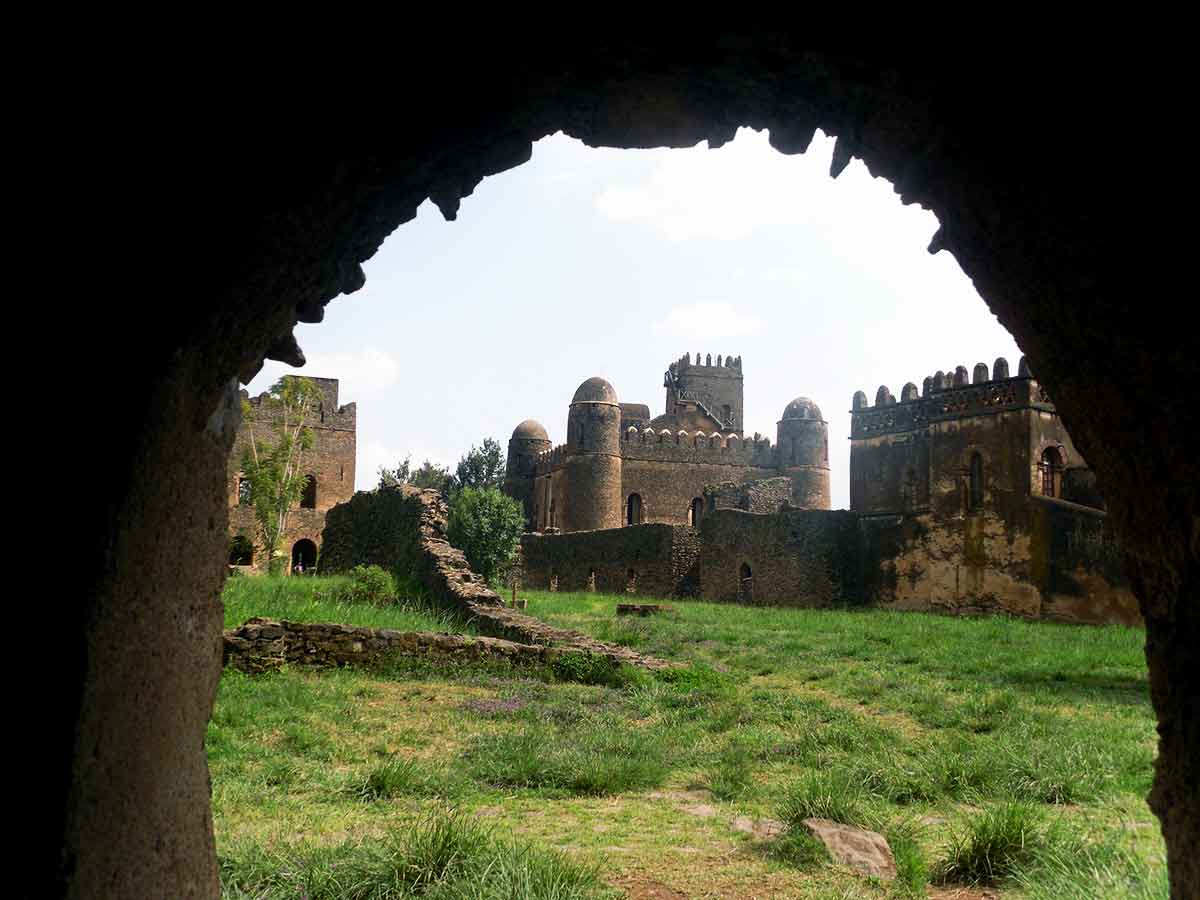
gondar castle

In this section of the article, we will define the term which is called the government of Ethiopia. Ethiopia was an amazingly decentralized nation until the moment half of the nineteenth century. From around 1855 a progressive centralization of control was started.

By the moment half the twentieth century Ethiopia had gotten to be a profoundly centralized unitary state. The method of centralization, as this article contends, went with by the approach and practice of utilizing nearby authorities for the measure of control.

Currently, Ethiopia is experiencing a handle of decentralization, which started in 1991 with the system to control the Ethiopian prosperity party. The decentralization system is introduced on, among others, ingrains grassroots vote based system, upgrading.

Government of Ethiopia and The Centralized system in Ethiopia

Ethiopia’s beginning as a state goes back to the Axumite civilization which emerged within the northern portion of the nation around the 10th century BC.

From the time of the Axumite civilization until the 1850s decentralized run the show was the prevailing character of the country’s political system, which was showed within the presence of triple specialists.

The sovereign served as a central specialist, whereas regional/provincial and nearby nobilities worked out independent control inside their particular domains.

A few researchers contend that the country’s decentralization was characterized by the co-existence of dual authorities, regional rulers, and a central position of authority. In any case, there’s proof that nearby specialists were similarly independent inside their space.

Consequently, it can be contended that, truly, Ethiopia was a decentralized nation in which three levels of specialists co-existed. Regions in some cases accomplished indeed more noticeable quality than the locales.

This decentralized governing system was a result of the tremendousness of the nation, its tough and broken topography, the financial and social differing qualities of its population personnel, and the lack of advanced means of communication.

These components prevented communication “both over and inside a region”, making a centralized organization unattainable, additionally driving to the creation of authentic regional and neighborhood boundaries and identities. As a result, differing and innate associations of local governance created in numerous parts of the nation.

The decentralized governing system proceeded to be the central trait of Ethiopia’s political framework until 1855. The central government of Ethiopia was so powerless that it has no all control over the territorial and neighborhood ruling system at the time what is known in Ethiopia’s history as the zemene mesafint (the era of rulers) which started within the time of the 18th century and proceeded until 1855.

gondar castle

In 1855 Emperor Tewodros II (1855-1868) started a handle of centralization and regional extension with the announced objective of re-establishing a bound together Ethiopia. Moreover, Emperor Yohannes IV (1872-1889), who got to be a famous political figure after Tewodros, carried on with the centralization system.

These two sovereigns, in any case, were incapable to set up a centralized monarchical ruling system despite their want to do so. Innovative and financial variables, the invulnerability of the landscape, and settled in a culture of territorial and neighborhood awareness would not permit that.

On the other hand, the sovereigns utilized territorial neighborhood and territorial rulers, whom they had brought under their governing system through the method of extension, to work out control.

Government of Ethiopia: Menliek and Beyond

The method of regional extension and utilizing neighborhood authorities for the reason of control come to its apex under Menilik II (1989-1913) who rose to control after the passing of Emperor Yohannes IV.

Menilik applied both diplomatic influence and military impelling to extend his governing territory southward. Within the locales where strategy worked, the “previous socio-political order” was cleared out intact.

The territorial and neighborhood administrators of the states and kingdoms which gently submitted to Menilik were permitted to hold their particular kingdoms, whereas carrying the duty to guarantee security in their locales and the on-time payments of tribute to the Emperor.

In these locales, the mediator governer was set up, with the previous notables connecting Addis Ababa with the neighborhood population.  A few of these neighborhood rulers, who were already either Muslims or pagans, were changed over, even if unwillingly to Orthodox Christianity the state religion until 1974.

They were moreover required to memorize Amharic, the language of the politically overwhelming ethnic group, the Amhara, and forsake their typical languages. Even though the territorial and neighborhood rulers kept up their positions in their regions, in practice they served as a way of control over their individuals for the sake of the central government of Ethiopia.

Menilik put beneath his immediate administration the locales which denied his expansionist move. This was the case, for the occasion, in Kafa, the Oromo kingdoms of the Gibe, the Sidama state and the Emirate of Harer.

The leader Minilik gave the governorship of these locales as compensation to his commanders who driven the war of victory against the kingdoms and states, who in turn subdivided the prevailed locales into diverse territories and named their subordinates as governors thereof. This kind of administration of the prevailed locales came afterward to be notoriously known as the neftegna system.

Regularly the centrally named local and neighborhood authorities required offer assistance from the local leaders. Language, social boundaries and limited assets constrained the central government to depend on the local traditional leaders, who were given the title of balabbat, to lead the people. 

The balabbat was of lower rank, but beneath the governor or area chairman and acted as liaison-men for their society. The most important role of a balabbat was to keep security, assist the local and neighborhood governors in collecting charges and tributes, and prepare the local individuals when their administrations were required by the central government of Ethiopia.

They indeed helped Menilik’s land expropriation program in which he seized two-third of the lands within the locales. In return, Balabat had their lands saved from expropriation. Moreover the pastoral groups, particularly the Somali and Afar ethnic communities, continually moved in the look of grazing area and water.

This made the central control of these regions unachievable. In this manner, the central government of Ethiopia depended on clan and tribal governors of these communities to apply a few control.

Emperor Haile Selassie I, who ruled for over 50 years, is best known for his way of formal constitutional and legitimate ways to centralize control. For instance, in 1931 he issued the primary composed Constitution of the nation in which he formally stripped the territorial and neighborhood rulers of their traditional privileges.

He took the foremost exceptional formal mechanism of centralization in 1942 when he propelled common and neighborhood regulatory change through the proclamation of Decree No 1/1942. It was announced that the change was implied to modernize and institutionalize common and neighborhood administrations.

However, the true motive of this change was to centralize powers. As a way of the change, the Emperor redrew provincial and neighborhood boundaries. He moreover centralized the arrangement of provincial and neighborhood administrators in his selected and close person.

Common and neighborhood administrators were not as it was named by the Emperor but were moreover required to act as his rulers. They were now not acting as governors. They worked out control for and for the sake of the Emperor. All provinces were ruled within the Emperor’s title by governors-general.

The foremost critical functions of provincial and neighborhood administrators, in this manner, remained that of serving as a means of control. They, therefore, kept up law and arrange and collection charges for the center.

For the reason of keeping up security, each provincial and neighborhood administrator was given a military force and a police force whose number was decided by the Head. The central government of Ethiopia administered the support of security through the Security Office of the Service of Insides.

No local administrative institutions existed at the neighborhood level. In a few of the cities and towns, chosen civil leaders were set up. However, one had to claim the immovable property to elect or qualify to be chosen to these councils. Besides, a neighborhood official was not anticipated to work on basic and major activities unless he was self-motivated.

Government of Ethiopia: Haile Selassie and Beyond

Emperor Haile-Selassie was taken away from the position of authority in 1974 by a committee of the Derg. The Derg quickly acknowledged that point well known communist ideological introduction and nationalized all country and urban areas and extra-urban houses.

Together with the nationalization of urban and provincial areas, it set up two neighborhood-level institutions: the Urban Dwellers’ Association (UDA) and the Laborer Association (PA).

These associations were set up at kebele (sub-district), woreda (country area) or kefitegna (urban area) and city or territorial levels, the announced purpose for their foundation being to sort out urban tenants and laborers so that they seem to run their claim issues, solve their issues and specifically take part in political, financial and social exercises.

To that conclusion, they were formally given with critical developmental commands including building streets, markets, low-cost houses, schools, etc. Thus it can be said that the UDAs and PAs had a promising starting.

The foundation of UDAs and the allowing to them of such powers and duties was an honorable exercise of devolution of control very steady with the Derg’s guideline of ‘self-reliance’ which is emphasized in numerous of its approach proclamations and which it revered in ‘Ethiopian Communism.

In any case, all the progresses said over were heartbreakingly short-lived. Before long after their arrangement the two neighborhood institutions (UPAs and PAs) deteriorated into devices of suppression and terror.

The part of the UDAs and the PAs as a means of terror and suppression come to its climax when they got to be involved within the notorious and unpleasant “Red Terror” operation through which the Derg set out to dispense with its political adversaries through mass killings.

Ethiopian government

Government of Ethiopia: EPRDF and Beyond

The Derg’s oppressive rule was brought to an end when nationalist guerillas groups driven by the EPRDF took control of Addis Ababa, the capital of Ethiopia, on 28 May 1991, after two decades of shocking civil war.

In the blink of an eye after controlling Addis Ababa the EPRDF, with the other nationalist movements, assembled the Peaceful and Law based Transitional Conference of Ethiopia.

The Conference embraced a “Transitional Period Charter” (TPC) that served as a structure until the declaration of the 1995 Constitution. The TPC perceived the proper to self-determination of each ethnic group of the nation.

It also authorized each ethnic group to set up self-government beginning from the woreda (area) level. By so doing the TPC started the primary stage of the decentralization handle within the nation.

This stage of the decentralization process came to an endpoint In 1995 when the current Constitution ( the 1995 Structure) was proclaimed which presented an ethnic-based government of Ethiopia framework.

The government of Ethiopia framework is regularly referred to as “ethnic federalism” as its constituent units are to a great extent ethnically characterized regional states.

The regional states are Afar, Amhara, Benishangul-Gumuz, Gambella, Harari, Oromia, Southern Nations, Nationalities and Peoples, Somali, and Tigray: articles 46-49 of the Constitution of the government of Ethiopia, Democratic Republic of Ethiopia (1995).

The foundation of the sub-regional government of Ethiopia which is based on the constitutional guideline that perceives the correct self-determination and self-government of each ethnic group.

As this right isn’t essential to be exercised through the foundation of a regional government of Ethiopia, the Constitution serious to oblige regional ethnic minorities by giving them regional independence at the sub-regional level. Consequently, this sort of neighborhood government is planning to be set up only where regional ethnic minorities are found and in understanding with their geological settlement structure.

Appropriately five regional states have set up special zones and special locale to supply regional independence to the ethnic minorities that are found inside their locale. the 1995 Constitution permits each regional state to choose on its possess regional government of Ethiopiasystem so that the neighborhood administration framework of each locale can be established in its socio-economic circumstances.

However the proper of territorial states to decide on their neighborhood government structure is constrained by a concomitant commitment to form an independent regional Ethiopian government as contradicted to their authoritative arms.

Summary, Government of Ethiopia

The government of Ethiopia is defined within those two governing systems, the central Ethiopian government system, and the decentralized government system. Thes ruling systems are used starting from emperor Minilik II to the current ruling government which is previously called EPDRF and currently Prosperity Party.

The government of Ethiopia system passes through two basic governing systems, which are the central system and later on a decentralized system. These two systems are exercised throughout those times either willingly or unwillingly.

It would, in any case, be unreasonable to conclude without specifying that the decentralization system isn’t a supreme. And also the centralized system has its advantages.

Ethiopian Government Contacts and Addresses

Cover: “The 11th Extraordinary Session of the Assembly of the African Union” by PMO Ethiopia is licensed under CC PDM 1.0 
Ethiopia Tourism: 12 Basic and Unpopular Tips On Ethiopia

0
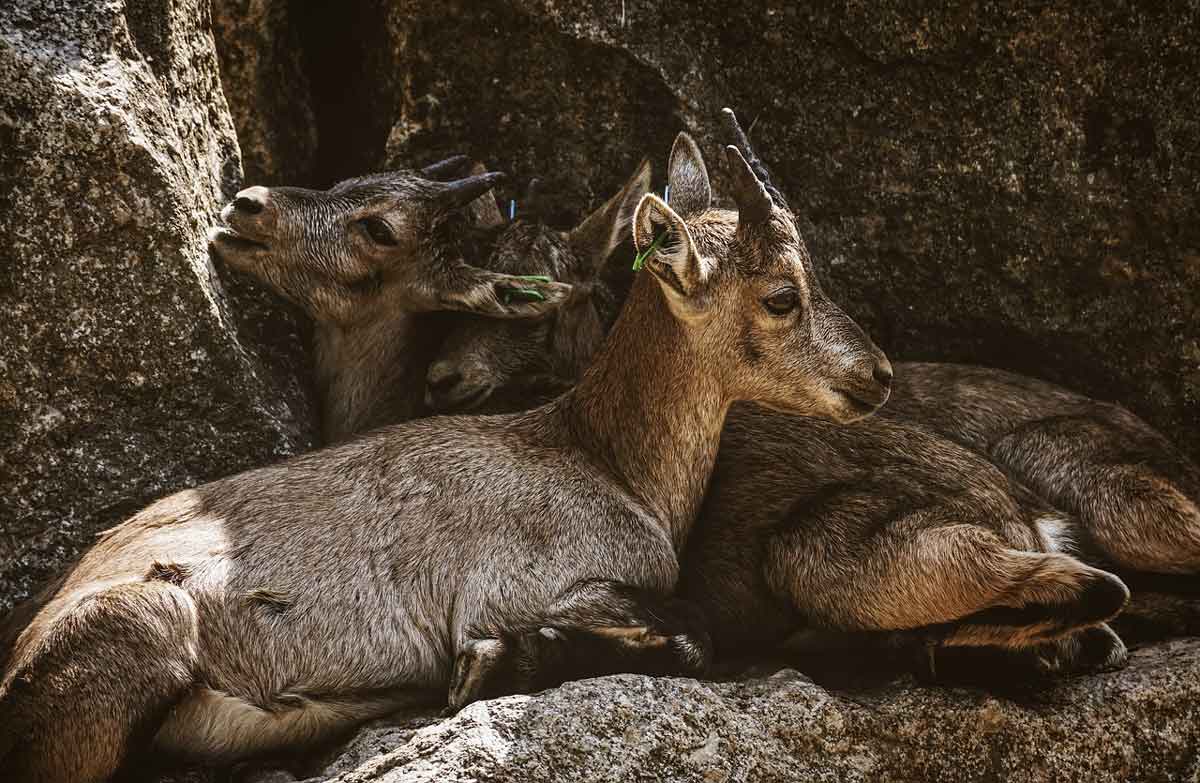
walia ibex

Ethiopia tourism is one of the tops in Africa. Tourists prefer Ethiopia as a destination for various reasons. Ethiopia, also known in most history books as Abyssinia, is a landlocked country, located at the horn of Africa. It is a country with millions of years of archaeological findings, ancient castles, monasteries, tombstones, obelisks, and natural endeavors; it is the only independent nation of the whole continent; where the capital, ECA and OAU quarters reside.

Besides being the diplomatic capital of Africa, Ethiopia is mostly known for its long-distance runners, for having its calendar of 13 months, different cultures, ethnicities, and for consisting 70 % of the mountains in Africa (due to its higher altitude levels).

From a monarchy rule to a democratic country, Ethiopia or Abyssinia is one of the oldest civilizations to exist. It is the land where the notable archeological finding ‘Denkenesh’ or most commonly known as ‘Lucy’ is found. Ethiopia is also the only country in Africa that was never colonized by western civilization. The ancestral heritage is a proud and sovereign endeavor that holds intact the historical presence of the country.

Addis Ababa, in Amharic meaning ‘New Flower’ is the capital and largest city of Ethiopia. It is well known for also being the diplomatic capital for Africa since both headquarters of the African Union (OAU) and the United Nations Economic Commissions for Africa (ECA) reside in it. With an estimated population of 3,384,569 million people, it’s engrossed with a diverse frontage of both history and commerce.

Addis Ababa is valley land found between mountains, its precinct begins from the foot of Mount Entoto and grows radially inwards. It consists of 10 sub-cities, where Amharic is the official and common language to communicate. Ethiopia, in general, has over 80 nations and nationalities, whereas each states have their own distinct culture and way of life.

Ethiopia Tourism

Dating back in history, Ethiopia has been found as one of the oldest countries in the world. According to skeletal fragments that were found proving that life had existed millions of years ago. Thus, it is believed that Ethiopia had originated around 980 B.C.

Ethiopia is a tourist attraction due to its various features of the natural setting of beautiful landscapes, rich biodiversity, paleontology, archeology, numerous mountains, and historical and living cultural leisure industries.

Based on these distinctive features, Ethiopia tourism includes of various aspects, such as historical Ethiopia tourism, cultural Ethiopia tourism, festivity Ethiopia tourism, archeology Ethiopia tourism, park Ethiopia tourism, paleontology Ethiopia tourism, geo-tourism, rural Ethiopia tourism, agro-biodiversity & coffee tourism, sports Ethiopia tourism and conference Ethiopia tourism.

Ethiopia’s various travel industry assets are across the board in practically all pieces of the nation and about 84% of the Ethiopian populace lives in agribusiness based employments. In this way, any travel industry advancement try should address these fundamental realities while structuring the travel industry improvement arrangement.

Right now, the significant obstacles in the travel industry improvement in Ethiopia include: profiting the travel industry assets as items to clients and enabling the network to be genuine players in the travel industry advancement procedure and make them recipients from the travel industry.

To conquer these larger issues twelve years of progressive research have been completed by experts from various branches of Addis Ababa University and have thought of the distribution of a book in Amharic with the accompanying significant segments: Developing essential layout that shows:

1) the a-b-c’s of how to delineate assets;

2) how to change the travel industry assets into the travel industry items;

3) how to enable nearby network through connecting with into the current socio-social, financial, and natural settings of the general public;

4) recognize network preparing requirements and offer fundamental preparation to a network to be a piece of the goal improvement and the executive’s procedure.

The book likewise manages issues of network money related help through gathering pledges and credit conspires and connecting Ethiopian the travel industry with neighborhood horticulture. 

The book offers essential travel industry improvement managing from understanding the travel industry assets to changing them to the travel industry items and usage of network-based and naturally inviting the travel industry.

It unquestionably benefits all travel industry partners including the Ministry of Culture and Tourism, analysts, professionals, NGOs, the private division, higher learning organizations, specialized and professional schools, secondary schools, and the network by growth.

Ethiopia has various reasons as to why it is the destination to be at. With a total of 3 notable UNESCO Representative List of the Intangible Cultural Heritage of Humanity and 9 UNESCO World Heritage Sites, Ethiopia is a hub of archeological findings, natural endeavors, interesting settings and sceneries of cultural upbringings that travelers must explore. With over 3,000 religions, Ethiopia is also home to diversified beliefs/ faith.

It is a well-known fact that almost 70% of Africa’s mountains are found in Ethiopia. It is the ideal place for people who love to admire the natural setting of stunning landscapes. Mostly active and preferable on holiday seasons, due to its timely blossom, Ethiopia is an Eden for hikers; displayed from the peaks of the Simen Mountains to the arid array of flatlands in the Omo Valley.

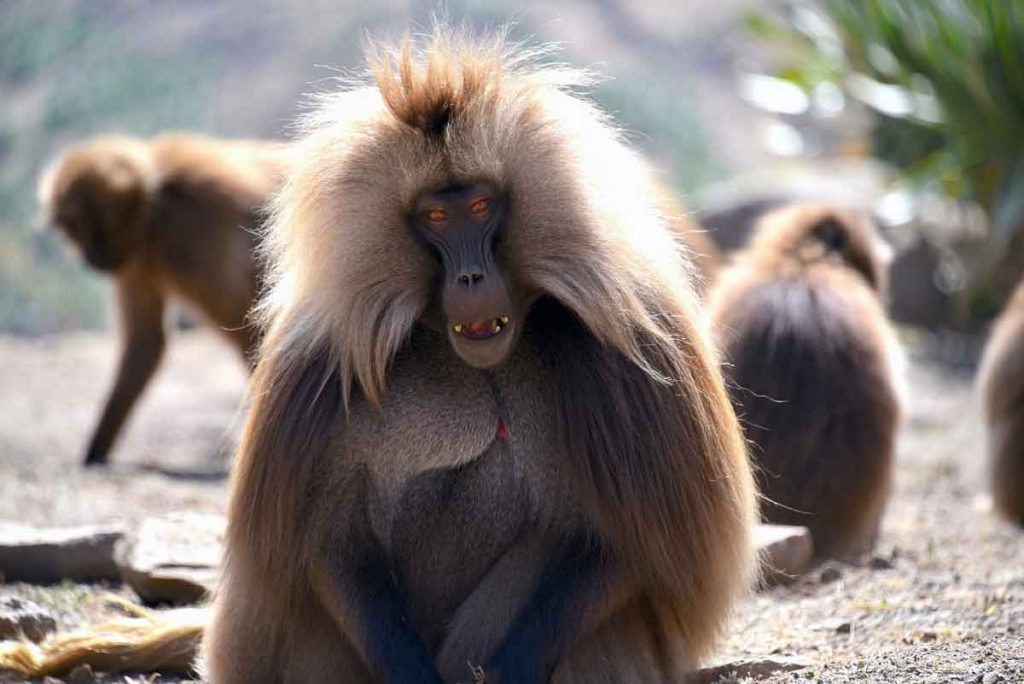
Africa is also well known to be one of the richest continents in the world for biodiversity. Needless to say, Ethiopia being its capital hosts its rare animals and serves as one of its hubs for exhibiting biodiversity. With over 850 different bird species, it is famous Gelada baboon monkey species, Walia Ibex, Nyala, and the red fox, Ethiopia is an ideal country for travelers that love to explore nature.

Although it is interesting to explore nature, the outdoors and educating oneself about histories of the past, this is only part of the reason why many travel to Ethiopia. As the country in itself offers special volunteer opportunities to travelers that enjoy giving back to the community. It can either be through literacy works, educations, NGOs, currency, labor or service sectors, one can always explore the endeavors of helping out and experience to enrich both oneself and the community they visit.

Ethiopia Tourism Destinations

In aspect to Ethiopia tourism and travel, the country is rich; through providing historical landmarks, an insight of the past and carrying ancient cultures that live on through its countrymen; that later be unique features that identify the country.

In an idle world, the best way to tour a country is to explore the quality and culture of the people in the community. It is easier to understand the nature of how things are when one living a life blended in the community. Exploring a specific household in itself entails the general cultural scope of the country.

My idea of defining tourism, travel and the whole scope really, is to understand the way of life people in that environment encompass. Home is the best example one can show a traveler. It is easier and clear to understand the values and culture they’re enveloped in. A citizen is by itself a responsible sector to showcase and embellish the country’s traditional aspects.

Ethiopia Tourism Tips

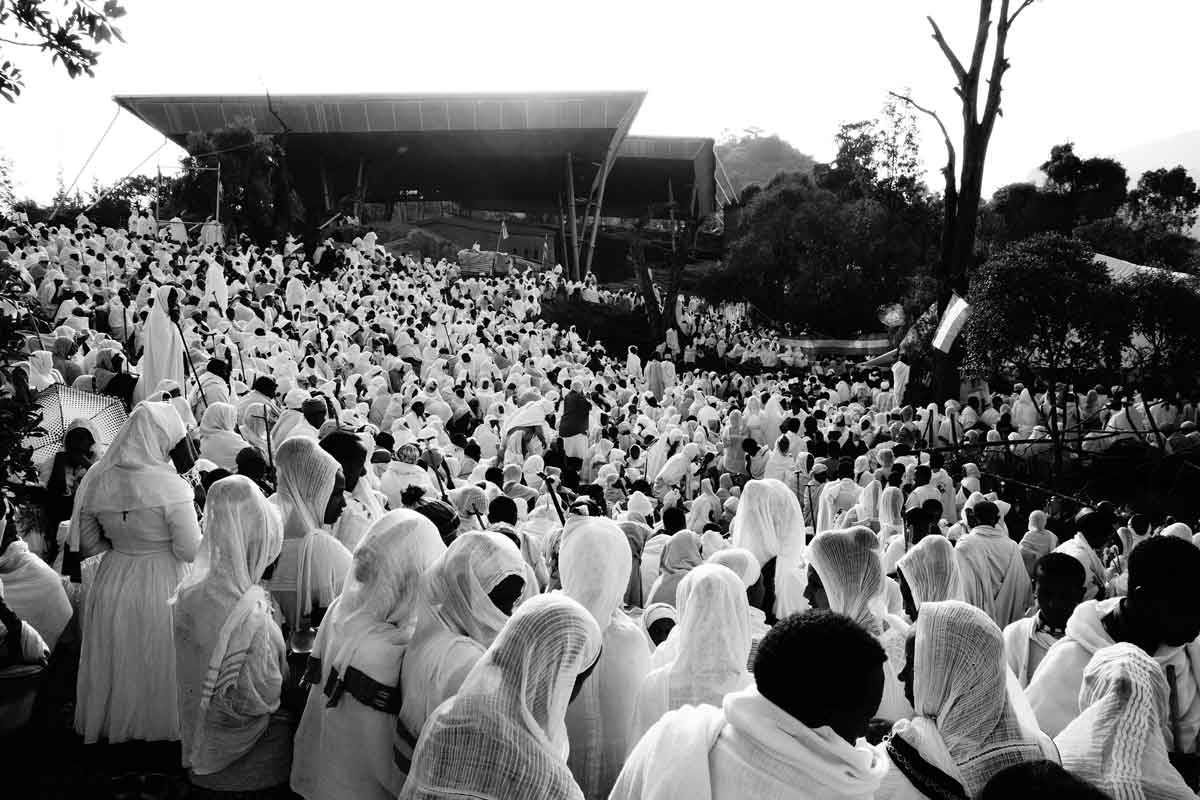
Another suggestion is to travel on occasion, this country is more alive when embellished with festivities. The gathering of the society, the cultural values uphold the clothing, the food, all the vibrant features just simply create a beautiful scenery that is must-see. It’s one of those moments that do not last yet we yearn they do. Some of the events are annually celebrated while others range from time to time, religion, rituals, and beliefs; although all are commemorations of creating moments in time.

Ethiopia Tourism Top Places

These are the most common and famous tourist sites in Ethiopia: the Blue Nile falls, Lalibela, Aksum, Al-nejashi, Simen mountains national park, National Museum (Lucy), Lake tana, Erta ale, Gondar, Bahirdar, Harar, Dalol, Arba Minch, Mekele, Konsa, Lake Turkana, Jinka, Awassa, Turmi, Lake langano, Dire Dawa, yeha, Tiya, mago national park, Chama lake, bishoftu, debark, omo national park, zeway, lake abhe, abijatta Shalla national park, awash, shala lake, adigrat, lake afrera, lake karum, Debre Markos, Debre Berhane, Jimma, wirko, Gambella, goba, Dessie, shashemene Suria, kombolcha, Adama, omorate, lake Awassa.

Throughout Ethiopia, the most notable sites beloved by tourists and inscribed by UNESCO World Heritage Sites are the ruins of Aksum, the rock-Hewn Churches at Lalibela, Fasil Ghebbi or Castles of Emperor Fasiledas in Gondar Region, Jugol wall in Harar, the Fortified Historic Town Konso, Cultural Landscape Lower Valley of the Awash, Lower Valley of the Omo, Tiya, Simien Mountains National Park. These nine places are located in various parts of Ethiopia that have a rich history and distinguished livelihoods.

Having been the capital of both Africa and Ethiopia, Addis Ababa’s tourism potentials haven’t fully been explored nor exploited, as it’s a city rich in both culture and history but isn’t properly managed to render a way of exhibiting its capabilities. The city has more to offer in the universe of art and artifacts. Places like ‘Kechene Medhaniyalem’ and ‘Shiro Meda’ are based on these ideologies. The creative realm of the natives is expressed through clothing, furniture, and crafts; which also have become one of the major economic sources.

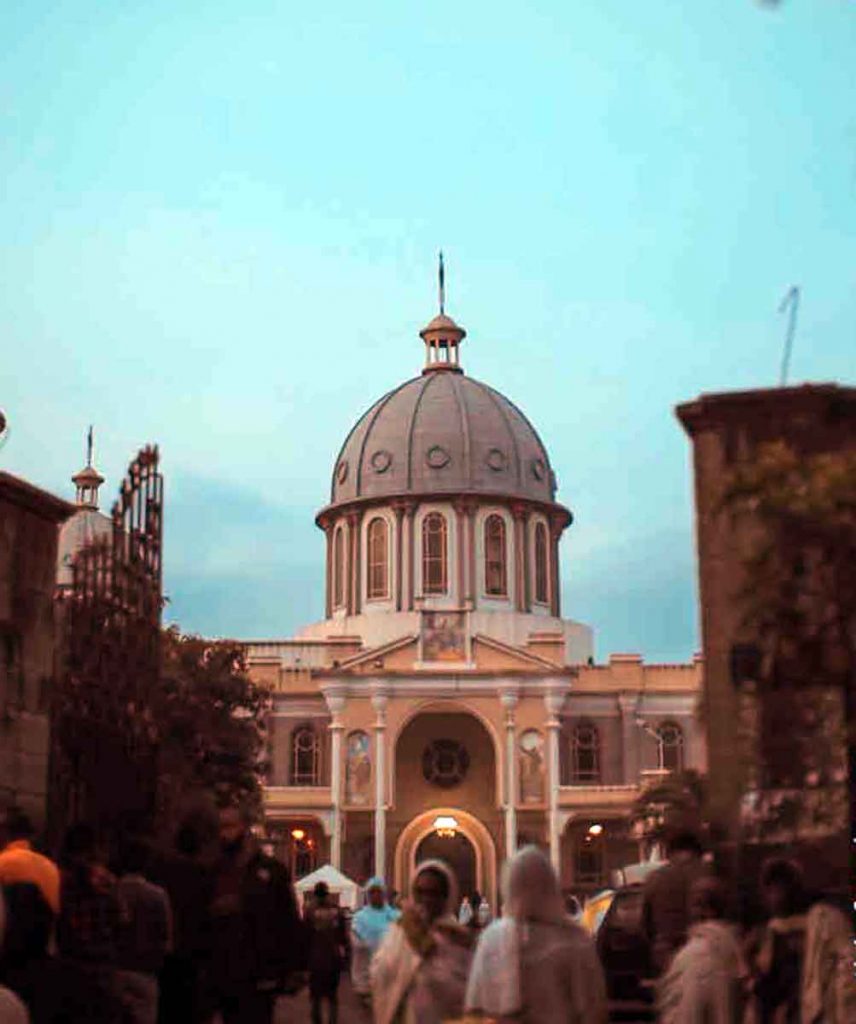
Sights to see in Addis Ababa are mostly limited to festivities, moments or events. Some examples are; National Museum of Ethiopia (where the archeological findings of Lucy or ‘Dinkinesh’ are found), Unity Park (recently opened, view to the imperial palace and residing home to the current prime minister of Ethiopia, Abiy Ahmed), Meskel square (for festivities and gatherings), Mount Entoto (hiking, monasteries, and view of Menelik II’s palace), Addis Mercato (Africas largest open market), 6-Kilo Addis Ababa University (previous home of Haile Selassie) and the Holy Trinity Cathedral (famous burial site, as it’s the resting place for Haile Selassie, his wife Menen Asfaw, the former prime minister Meles Zenawi and so on).

The best time and season to visit Ethiopia, besides being on holidays, ranges from October to June. As many rituals, beliefs and festivities occur during this time with a temperate climatic condition. Ethiopia appreciates a mellow atmosphere, with normal temperatures underneath 20°C in the good countries. This number can ascend past 30°C on the swamp edges of eastern, southern and western Ethiopia.

Forms of Ethiopia Tourism

There are many forms of Ethiopia tourism: historical tourism, cultural tourism, festivity tourism, archeology tourism, park tourism, paleontology tourism, geo-tourism, rural tourism, agro-biodiversity & coffee tourism, sports tourism and conference tourism. Here are some explained;

Conference Tourism

Conference tourism is one of the main opportunities that serve as an aid for the growth of tourism in Ethiopia. Ethiopia is the diplomatic capital for Africa since both headquarters of the African Union (OAU) and the United Nations Economic Commissions for Africa (ECA) reside in it. Thus conference tourism commences through the organizations of international or regional meetings held in the country.

Archaeological Ethiopia Tourism

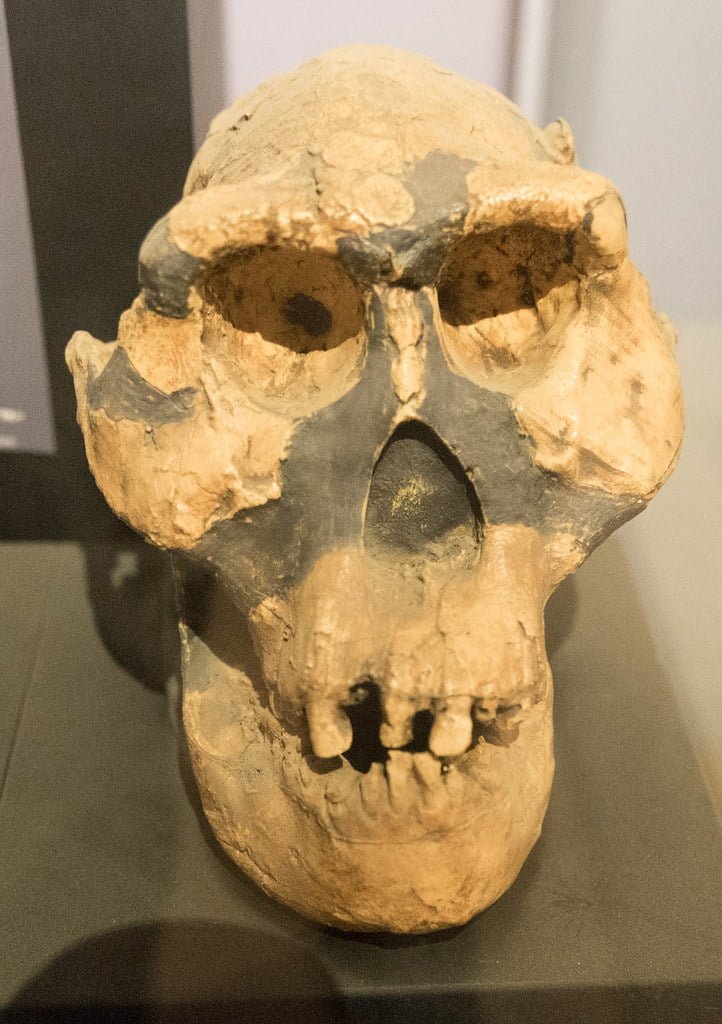
Ever since the discovery of Lucy, Ethiopia has been known as the archeological hub of finding fossils. Centuries and millions of years’ worth of findings have been recorded and found in Ethiopia. A few significant finds have pushed Ethiopia and the encompassing locale to the cutting edge of fossil findings.

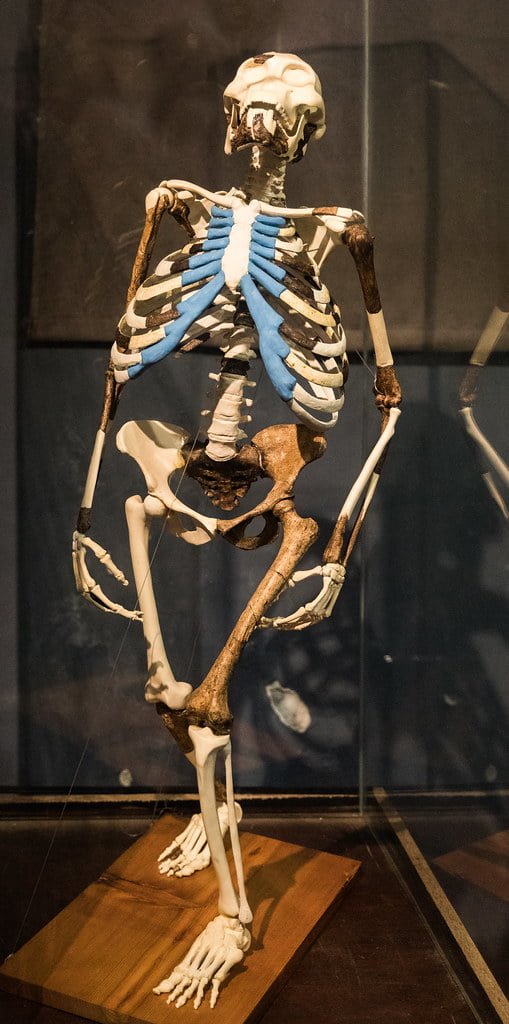
The most seasoned primate found to date in Ethiopia is the 4.2 multi-year old Ardipithecus ramidus (Ardi) found by Tim D. White in 1994.[43] The most notable primate disclosure is Australopithecus afarensis (Lucy).

Most commonly & locally also known as Dinkinesh, is an example found in the Awash Valley of Ethiopia’s Afar Region in 1974 by archaeologist Donald Johanson. Lucy or Dinikinesh is one of the best saved & most complete grown-up Australopithecine fossils at any point revealed. Lucy’s scientific classification alludes to the area where the revelation was made. The primate is assessed to have lived 3.2 million years prior.

Cultural Ethiopia Tourism

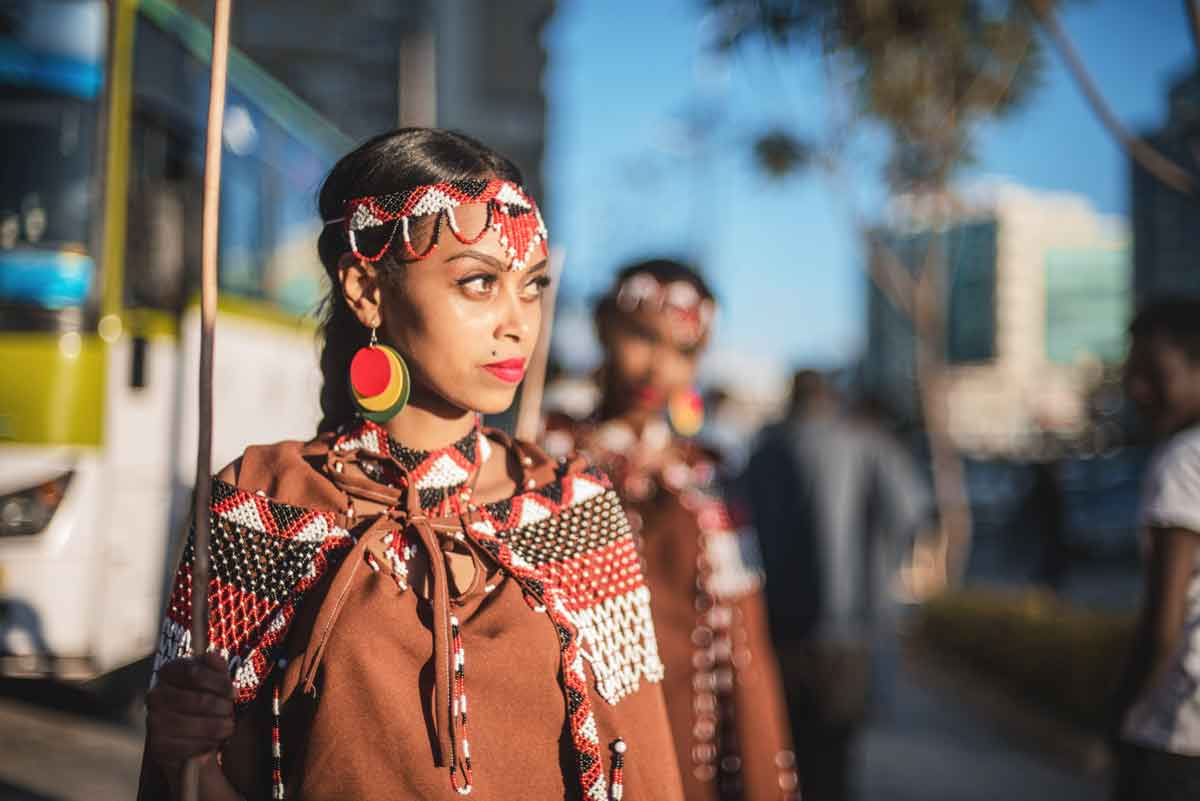
Ethiopia is the cultural hub as it is home to almost 80 different nations and nationalities. Every place has its unique food and clothing, its exclusive taste, spices and way of dressing. The variation is mostly affected by the geographical area and their way of life.

Having had the national dish of Ethiopia is known as ‘Injera’ nowadays famous for its gluten alternatives, it is a soft pancake-like textured dish. The national clothing of Ethiopia is called ‘Habesha Lebis’ or ‘Habesha Kemis’, is a white cotton bread weave of cloth with different patterns & colors exuberated on it.

Festivities Ethiopia Tourism

It is obvious the best time to travel or tour a city is around festivals or holiday seasons. Starting from Ethiopia’s capital, Addis Ababa is home to various festivities that is more celebrated and more active around Meskel Square. Meskel Square is an open site around the Stadium of Addis Ababa, Ethiopia.

It’s mostly used for public gatherings and commemorations, notably the orthodox holiday of Meskel, hence the name. Thus, due to places like Meskel square, Ghion, and Stadiums and so on, the city is more vibrant and alive around holidays or festivities. Meskel square festivities host almost all festivities including religious aspects for celebrating rituals of beliefs, entertainment aspects for concerts & exhibitions, and official gatherings for the public.

Ethiopia Tourism and the Economy

In economic terminology, the leisure industry or also referred to as the travel and tourism industry can do three main things. It invigorates improvement, entails an individual’s employment opportunities and professional possibilities and offers meaning of life to economies.

The effect of the travel industry on the national economy is very critical. The more extensive financial advantages of the area are especially significant since a large portion of the lodging; transportation administration, visit tasks and monetary middle people are claimed and worked by nationals.

Then again the import of a considerable lot of the contributions from abroad prompts critical spillages. On the social front, the travel industry has been liable for social trade encouraging the training of guests about Ethiopian history and culture.

The degree of improvement of visit organizations, lodging networks, and limited-time benefits in the part should be essentially improved in request to bundle the visitor experience all the more sufficiently.

The quantity of remote visitors visiting Ethiopia within the year 2016-2017 was accounted for to be 871,000, an excellent flood from earlier years.

However, the Ethiopian Ministry of Tourism and Culture anticipates that this could increment significantly further and predicts that there’ll be 2.5 million appearances for each year by 2020.

In 2018, Travel and Tourism contributed BIRR 202 billion US$7.4 billion to the nation’s economy, an expansion of BIRR 59 billion (US$2.2bn) in 2017. The world presently speaks to 9.4% of Ethiopia’s complete economy.

In 2018, the Ethiopian Travel and Tourism economy developed by 48.6%. This is often noteworthy development — actually, the most important on the earth as per the planet Travel and Tourism Council (WTTC) whose yearly audit ascertains the cash related and social effect of the travel industry.

The improvement within the movement experience caused by the new eVisa assumed a serious job immediately. Talking in Accra, Ethiopian Airlines expressed that quite 200,000 vacationers utilized the eVisa framework to accumulate a movement approval.

Ethiopia Tourism and Transportation Service

Like in most countries, transportation in Ethiopia commences in three ways; road, air, and railways respectively. The major use of public transportation is the road, mostly by public buses and distinctive taxis that are blue with white straps in color. The taxis are minibusses that can accommodate 12 people per ride.

Traveling through the air is the best accommodation of the country’s transportation means. Ethiopian Airlines is the best airline in Africa as it offers a spectrum of fine quality and professionalism. In 2003, the current international airport of Addis Ababa was introduced to the public, whilst the old airport rendered to helicopter, small and military crafts. Also is the most effective means of traveling through Ethiopia, since it has poor infrastructures and isn’t quite safe.

Challenges and Opportunities of Ethiopia Tourism

Even though Ethiopia’s diverse cultural and physical features and resources offer & deliver exceptional opportunities for the growth of tourism, it comprises some challenges and opportunities along with it.

Some of its opportunities are mainly focused on creating an image of Ethiopia that could enhance tourism by exploiting the existing features in it or creating ones to do so.

This is made possible through mechanisms of becoming a world-class national carrier/ a member of star alliance, using the vast potential of conference tourism through indulging the presences of the OAU, UNECA, and other international or regional organizations meetings. It is also through expanding its regional market potential meaning the demographics of African middle class, using the abundance of trainable manpower, and increasing interest for regional integration.

Although it seems to have more optimistic opportunities for the future of tourism in Ethiopia to develop, it has many uncanny and evidentially harsh challenges to overcome first.

Some of which are strong competition at a global & regional level, lack of knowledge about tourism & its potential, low level of trained manpower, lack of focus, poor image set abroad, lacks of marketing and promotions i.e. poor advertisements and lack of infrastructure & service provided for tourists.

Stolen artifacts have been a century’s worth of challenge Ethiopia faced whilst conserving its tourism entities. It has proven to be its main challenge to preserve its artifacts and historical belongings most of which were lost or stolen during the reigns of the monarch systems. Although some might have been recovered, a vast of collections and numerous works of arts or historical endeavors have still not been returned to their initial place of discovery.

Recognition and Ethiopia Tourism

In 2015, Ethiopia was named the World’s Best Tourism Destination by the European Council on Tourism and Trade, due to its endeavoring natural aesthetics, faulty landscapes, and rich culture.

This year Ethiopia won the “Best Destination Archaeology & Ancient History” award held in Berlin, Germany. Also, Ethiopia’s Minister of Culture and Tourism, Dr. Hirut Kassaw has honored the award of ‘Best Tourism Minister’ from Pacific Travel Writers Association (PATWA).

The PATWA is an organization enveloped with travel writers that ensure the quality of travel and tourism. It was established in 1998 and since then, it has been hosting International Travel Awards once a year in March to create awareness for organizations or individuals that have contributed immensely to the tourism and travel sector.

References

1. https://www.loc.gov/item/92000507/https://www.ethiopiaonlinevisa.com/tourism-grows-ethiopia-evisa/

2. https://en.wikipedia.org/wiki/Ethiopia#History

3. https://www.wttc.org/about/media-centre/press-releases/press-releases/2019/ethiopia-records-biggest-growth-in-world-travel-tourism/

4. https://en.wikipedia.org/wiki/Tourism_in_Ethiopia

5. https://www.longdom.org/open-access/ethiopia-opportunities-and-challenges-of-tourism-development-in-theaddis-ababaupper-rift-valley-corridor-2167-0269-1000167.pdf

Ethiopia Oromo

2
Ethiopia oromo- Ethiopian woman standing

The Ethiopia Oromo is one of the ethnic groups in Ethiopia. We all know that Ethiopia is wealthy when it comes to ethnic. The culture of the language is all so mesmerizing. We have members or settled people in different clans. The Oromia Region is one of the nine regional states of Ethiopia, the homeland of the Ethiopia Oromo.

Oromia Ethiopia is subdivided into 20 administrative zones: Arsi. Bale. Bedele. The Ethiopian Oromo people are a Cushitic ethnic group and nation native to Ethiopia that speaks the Oromo language. They are the largest ethnic group in Ethiopia and representing 34.5% of Ethiopia’s population.

The capital seat of the State is Finfine (Addis Ababa). The main agricultural crops include maize, teff, wheat, barley, peas, bean, and various types of oilseeds. The Oromos are very proud of their culture and respect one another. They have a flag represented with red, white and black stripes with a tree in the middle symbolizing the Ethiopia Oromo is a sycamore, known locally known as “oda”. In the traditional “Gada” system, the “Gada” officers meet under the tree before the “Chafee” meeting.

Oromia is filled with green areas and plenty of land spaces within. Rich in buttermilk animals and many others. The earliest primary account of Ethiopia Oromo ethnography is the 16th-century “History of Galla” by Christian monk Bahrey who comes from the Sidama country of Gammo, written in the Ge’ez language.

What is Ethiopia Oromo Traditional Food?

The first known use of the word Oromo to refer to the ethnic group is traceable to 1893. The historic term for them has been Galla. As I mentioned earlier, Oromo is rich in bitter milk and many more. Their traditional food is based on those ingredients.

Chuko, barley conserved with butter, is the traditional food of the Oromia region in Ethiopia. It is traditionally made by women from barley powder mixed with a sufficient amount of distilled butter, along with ginger, onion, salt, and spices.

Traditionally food is eaten with the fingers of the right hand. Western utensils may now be used in Ethiopia Oromo homes in Seattle. Milk and coffee mixed with milk are common traditional drinks served with traditional cups and plates made from cows and other animals horns.

What is the Ethiopia Oromo Language?

Oromo is a Cushitic language spoken by about 30 million people in Ethiopia, Kenya, Somalia, and Egypt, and it is the third-largest language in Africa. Ethiopia Oromo people are the largest ethnic group in Ethiopia and account for more than 40% of the population. It’s known as Afaan Oromo. known as Afaan Oromo. It is a highly developed spoken language.

What is Ethiopia Oromo Religion?

Religious Life Traditionally in Ethiopia Oromo centers revolves around one God, Waaqa, who is responsible for everything that happens to human beings based on their belief. As Oromos adopted Islam or Christianity, they maintained the concept of Waaqa and incorporated their beliefs into the new religions.

Waaqeffanna is an ancient monotheistic religion that is indigenous to the Ethiopia Oromo people. Now let’s talked about the most important culture for honoring peace among promo and people. The Gada system is a time-honored age and generation-set system practiced among the Oromo. people who regarded the system as their common heritage and as one of their major identity-forming elements.

Gada is a traditional system of governance used by the Ethiopia Oromo people in Ethiopia developed from knowledge gained by community experience over generations. Gada system has the principles of checks and balances, and division of power, balanced opposition, and power-sharing between higher and lower administrative organs to prevent power from falling under the authorized people.

The Gada system was a system of age-grade classes that succeed each other every eight years in assuming military, economic, political, and ritual responsibilities. Each Gada class remained in power during a specific term (Gada) which began and ended with a formal power transfer ceremony.

The Eleven Regular Gadaa cycle among the Boran people the Gadaa System embraces eleven basic Gadaa grades: five active, five passive, and one liminal (full retirement) stage. Each one of the eleven Gadaa grades equally bears eight-year periods and they are based on genealogical generations.

This traditional system of the Oromo government that is used by its own people developed its knowledge through community experience among generations. This system is advantageous because it regulates the social, economical and political aspects of the land while dealing with issues such as conflict resolution, reparations, and honors women’s rights.

Ethiopia Oromo and Irrecha

It enforces moral conduct, building social cohesion, and expressing forms of community culture. It is also practiced by the Konso and Gedeo people of southern Ethiopia. Of course, we can’t forget about the Irreechaa celebration. One of our confidential celebration holiday that is exhibited in UNESCO.

Irreechaa is the annual Ethiopia Oromo people thanksgiving day that celebrated every year in Birraa near the river bank or water and tree. Irreechaa is celebrated every year in September in Bishoftu Hora Harsadii and other Oromia major cities.

the Oromos usually go to the river or to the mountain during the time of their worshiping rituals, or during Irrechhaa celebration. The Ethiopia Oromo people celebrate Irreechaa not only to thank Waaqaa (God) but also to welcome the new season of plentiful harvests after the dark and rainy winter season associated with nature and creature. On Irreechaa festivals, friends, family, and relatives gather together and celebrate with joy and happiness. Irreechaa festivals bring people closer to each other and make social bonds.

The Oromo thank Waaqa for helping them survive the winter (rainy) season peacefully, for helping them grow crops for people and grass for cattle, for creating the Birraa (spring) season, which is a harvesting season, for creating the autumn and winter seasons, and for creating everything in the universe.

Ethiopia Oromo and Irrecha as Heritage

Upon reaching the lake, worshipers perform various rituals, such as immersing the green grass and the flowers they are carrying in the lake and sprinkling themselves as well as others around them. UNESCO was very proud to exhibit this non-tangible heritage.

Irreechaa had been celebrated for many centuries and will live on forever by being the most amazing culture. The Oromos have developed their own unique calendar based on lunar and solar cycles. Day time begins and ends with the rise and setting of the sun. Days of the month are given names.

Borana and Barentu in Oromo oral history are said to be brothers who were the sons Orma, father of all Oromos. These two major groups are in turn subdivided into an assortment of clan families.“Habesha” refers to ethnic Amhara and Tigre, and sometimes Guraghe, but not all other ethnonational groups in the Ethiopian empire. The Abyssinian intent behind this is to make Ethiopia Oromo and others deny who they are whenever and wherever Habeshas can.

Ethiopia Oromo and Adminstration

Lemma Megersa is an Ethiopian politician currently serves as the Minister of Defense of Ethiopia, and was the President of the Oromia regional state of Ethiopia and Deputy Chairman of the ruling party in the region, Oromo Democratic Party.

Shimelis Abdissa, the former Prime minister office chief of staff is appointed as president of Oromia regional state with a rank of deputy president replacing Lemma Megerssa, the former head of state who appointed today to head Ministry of defense. Prior to his appointment Shimelis was served in various regional and federal government positions. Shimelis was as appointed as chief of staff PM office in place of Fitsum Arega who is now serving as Ambassador in the US.

The special interest of the State of Oromia in Addis Ababa, regarding the provision of social services or the utilization of natural resources and other similar matters, as well as joint administrative matters arising from the location of Addis Ababa within the State of Oromia, shall be respected.

Apart from astronomy and numerology, the Ethiopia Oromo offer much to learn regarding autonomous governance, democratic governance and the management of power (political authority is handed to a new age-set through elections every eight years), organic agriculture (the world-renowned Boran bull species is a product of the indigenous breeding knowledge of the Boran branch of Oromo) and spiritual care.

Furthermore, the recovered Oromo story also offers the foundation for a greater study of the Kushite civilization that gave rise to the black civilization of Khemet, better known as Ancient Egypt. Since children are seen as having great value, most Oromo families are large.

Ethiopia Oromo and Marriage

The birth of a child is celebrated because each newborn child will someday become a worker. Marriage is celebrated since it is the time when boys and girls enter adulthood. Death is marked as an important event; it brings members of the community together to say goodbye.

When Oromos visit other families, they are provided with something to drink or eat. It is expected that visitors will eat or drink what is offered. People can drop by and visit friends or relatives without letting them know ahead of time.Dating is an important step for a boy and a girl. Usually a young boy begins by expressing his love for a girl whom he wants to date.

When a girl agrees that she loves him, too, they start dating. Premarital sex is not accepted, but kissing and dancing are acceptable. Parents are not usually told about a dating relationship. Dating may or may not lead to marriage. Having girlfriends and boyfriends gains young people social status and respect from others.

Now we know all this about Ethiopia Oromo culture, it’s mandatory that we respect and be aware of them.as for Ethiopia, every ethnic love one another, care, and respect for each other. Let’s keep it that way for as long as we exist.

10 Amazing facts about Tigray Ethiopia

0
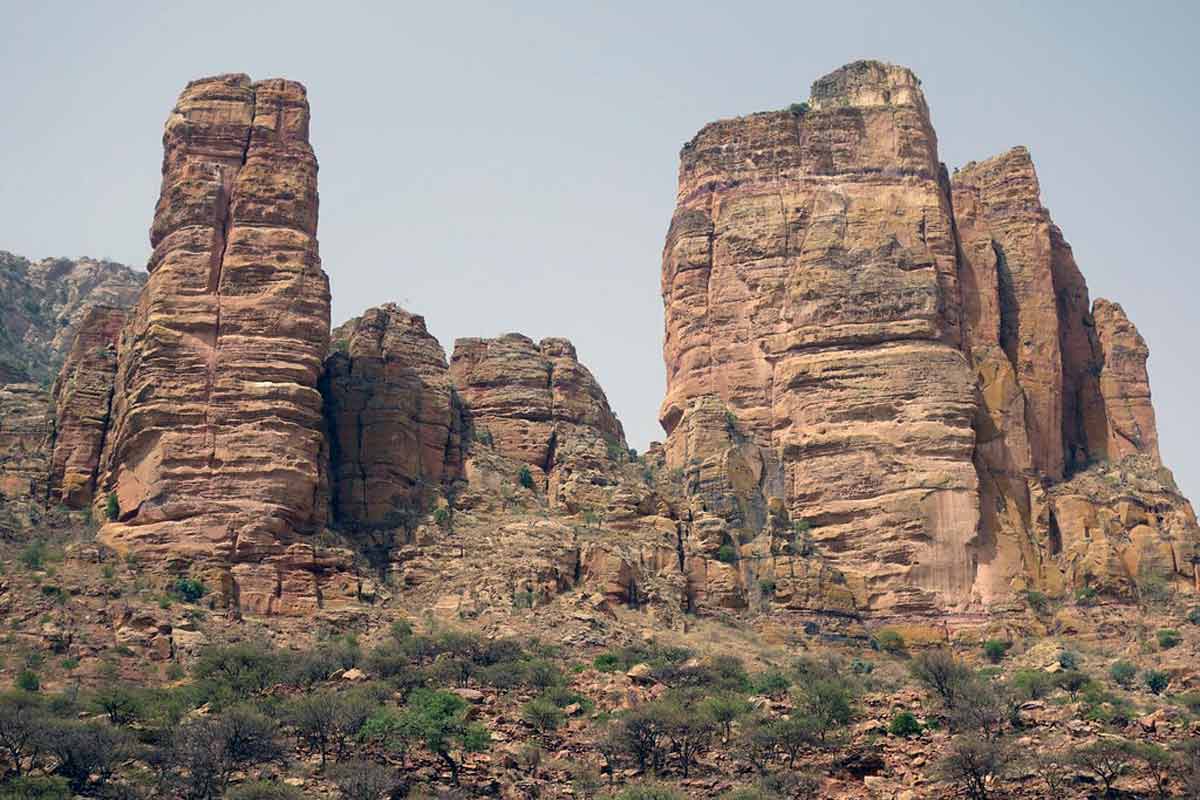
tigray landscape

Tigray Ethiopia, also spelled Tegray, Tigrai, or Tigre, a historical region, northern Ethiopia. Its western part rises in a high-plateau country where elevations generally range between 5,000 and 11,000 feet (1,500 and 3,300 meters).

The region is drained by the Tekeze and Gash (Mareb) rivers. To the east lies the Danakil Plain, including the Kobar Sink (some 380 feet [116 meters] below sea level).

Today, Tigrayans number about 4.9 million and are concentrated in Tigray Ethiopia state (Ethiopia) and in Eritrea. The regions of Ethiopia and Eritrea where most Tigrayans live are a high plateau, separated from the Red Sea by an escarpment (cliff-like ridge) and a desert.

In good years, rainfall on the plateau is adequate for the plow agriculture engaged in by the majority of Tigray Ethiopia. However, when rainfall is low, the region is subject to disastrous droughts.

Here are few important points you need to have on your note book about Tigray.

Where is Tigray?

Tigray is an impoartant city in Ethiopoia, located at the north end. The city boarders Eriteria in the north and Sudan in the south.

The town is situated between 12°–15° N and 36° 30′ – 40° 30′ E.

Is Tigray Ethiopia Safe?

In 1998 relations deteriorated rapidly when a border dispute between Eritrea and Ethiopia failed. Centered around the Badme the conflict between the two countries exploded into violence. Following two years of bloodshed, a peace was negotiated in December 2000, and the UN established a peacekeeping mission along the border in question.

An international boundary commission agreed on border demarcation, but Ethiopia rejected the decision and refused to leave the territory that the commission had recognized as Eritrean.

A recent diplomatic work seems to have brought the two counties together. However, it is safe to assume a conflict and not to visit such areas in Ethiopia, at least with out a guide.

What is the History and Culture of Tigray Ethiopia?

The city has a history that goes back thousands of years. The seat of the Ethiopian empire has moved over the centuries. Once it has been located in a Tigrigna-speaking area in other times it has been in an Amharic-speaking area.

The Tigray and the Amhara (as co-inheritors of the Ethiopian empire) have represented the political elite of the country, except during a brief period of Italian colonial rule (1936– 1942). Until the Empire ended with the Marxist revolution and Haile Selassie’s death in 1974, all emperors were either Amhara’s or Tigray’s.

What is the Battle of Adwa?

Adwa is found in the Tigray region and on (March 1, 1896), military clash at Adwa, in north-central Ethiopia, between the Ethiopian army of King Menelik II and Italian forces. The decisive Ethiopian victory eliminated Italy’s attempt to build an empire in Africa.

tigray landscape

Past Empires that controlled the Tigray Ethiopia region

By controlling the Red Sea ports of Massawa (Mitsiwa) and Asseb, Tigray became the region through which trading caravans reached the seat of the empire to the south.

After losing the coast to the Ottoman Empire in the 16th century, the region also lost power and status. Thereafter, with the brief exception of Yohannes IV (reigned 1872– 89), the region was dominated by the rulers of the Gondar and Shewa regions to the south.

It was also under constant threat from Egyptian, Sudanese, British, and Italian armies trying to penetrate to the interior. After occupation by Italy (1935–41), it was governed by officials appointed from the national capital in Addis Ababa.

What is the Source of Economy in Tigray Ethiopia?

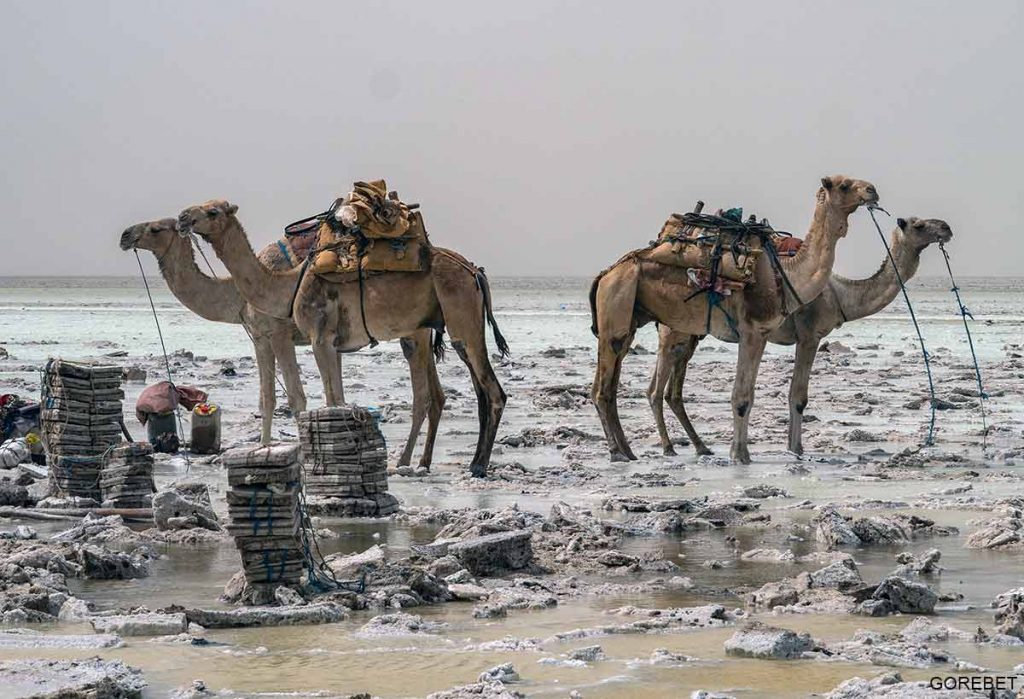
Although vegetation is sparse, most of Tigray’s population is engaged in agriculture (cereals, legumes, coffee, and cotton) and stock raising. Hides and skins are important exports. Salt and potash from desert deposits are also exported. The region, which has long been home to the people, also supports the Raya, Azebo, Afar, and Agew peoples.

What are Ancient Civilizations in Tigray Ethiopia?

Tigray Ethiopia contains the core of the ancient Aksumite kingdom and the historic settlements of Aksum, the king- dom’s capital; Yeha, a ruined town of great antiquity; and Adwa, the site of a battle in 1896 in which the Italian invading force was defeated.

Is The Ark of Covenant in Tigray Ethiopia?

According to Tigrean history, the Axumite empire, which later became the Ethiopian empire, was founded by Menelik (1889–1913), the son of King Solomon of Israel, and Queen Sheba (or Saba). According to this history, it was Menelik’s men who captured the Ark of the Covenant from the Israelites and brought it to Axum, in what is now Tigray state in Ethiopia, where it remains to this day.

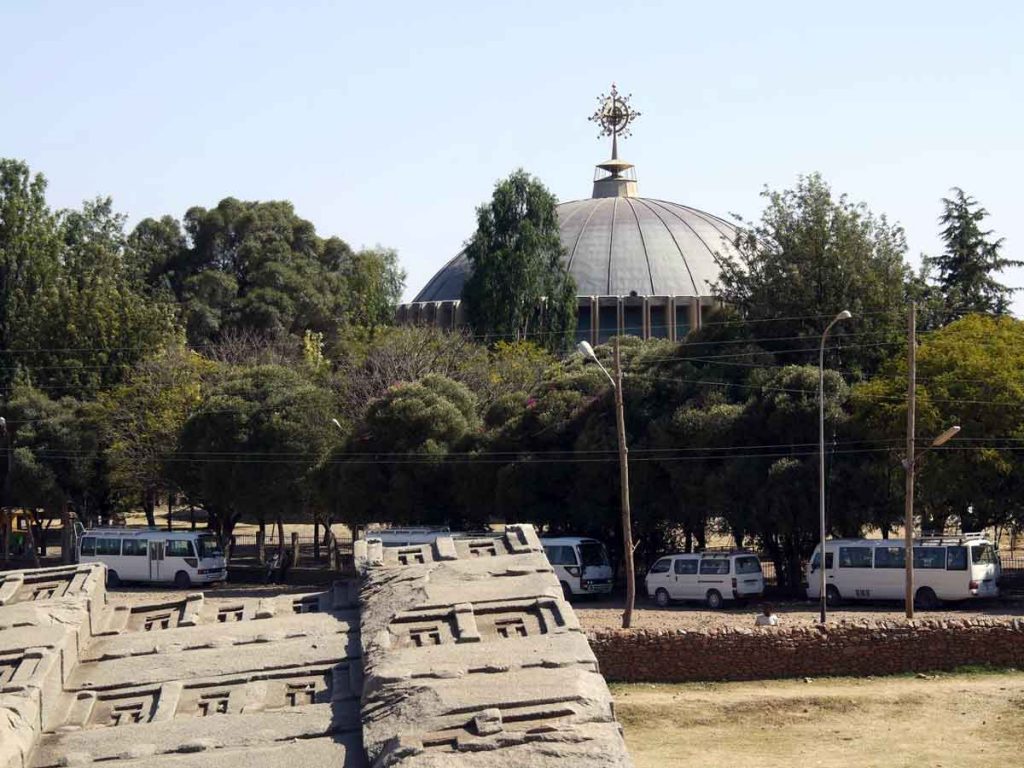
Aksum Empire- church and stales -

What do the Tigray People wear?

Traditional clothing in this area is white, which is regarded as Christian, with little adornment. For dressy occasions and church, women wear ankle-length dresses with long sleeves made of fine material. Men wear ankle-length pants that are tight from the knee to the ankle and baggy in the upper legs and hips.

A fitted, long-sleeved shirt covers the upper body. The shirt extends to just above the knee for laymen and to just below the knee for priests and deacons. Both men and women wear a gabbi (shawl or toga) draped around the shoulders.

What Language Do They Speak In Tigray Ethiopia?

Tigrinya, the language spoken by the people in the area, is from the Semitic family of languages, and is related to Arabic, Hebrew, and Aramaic. To the north of the Tigrinya speakers live people who speak the closely related language known as Tigre.

Amharic, the official language of Ethiopia, is so closely related to Tigrinya that most people in the area have little difficulty communicating in Amharic. Tigrinya, Amharic, and the ancient religious language Geez are written with the same alphabet. Many of the letters used in writing these languages are derived from ancient Greek.

What is Religion in Tigray Ethiopia?

The city has been in their present location since before the time of Christ and began converting to Christianity in the fourth century. Most people think that Christianity in Africa is because of colonization, but that’s wrong in the case of this city.

The empire centered in Axum and Adowa was part of the Mediterranean world in which Christianity grew. The arrival of Christianity in Tigrayan lands happened about the same time that it arrived in Ireland. The Tigrayans, in fact, had been converted to Christianity hundreds of years before most of Europe.

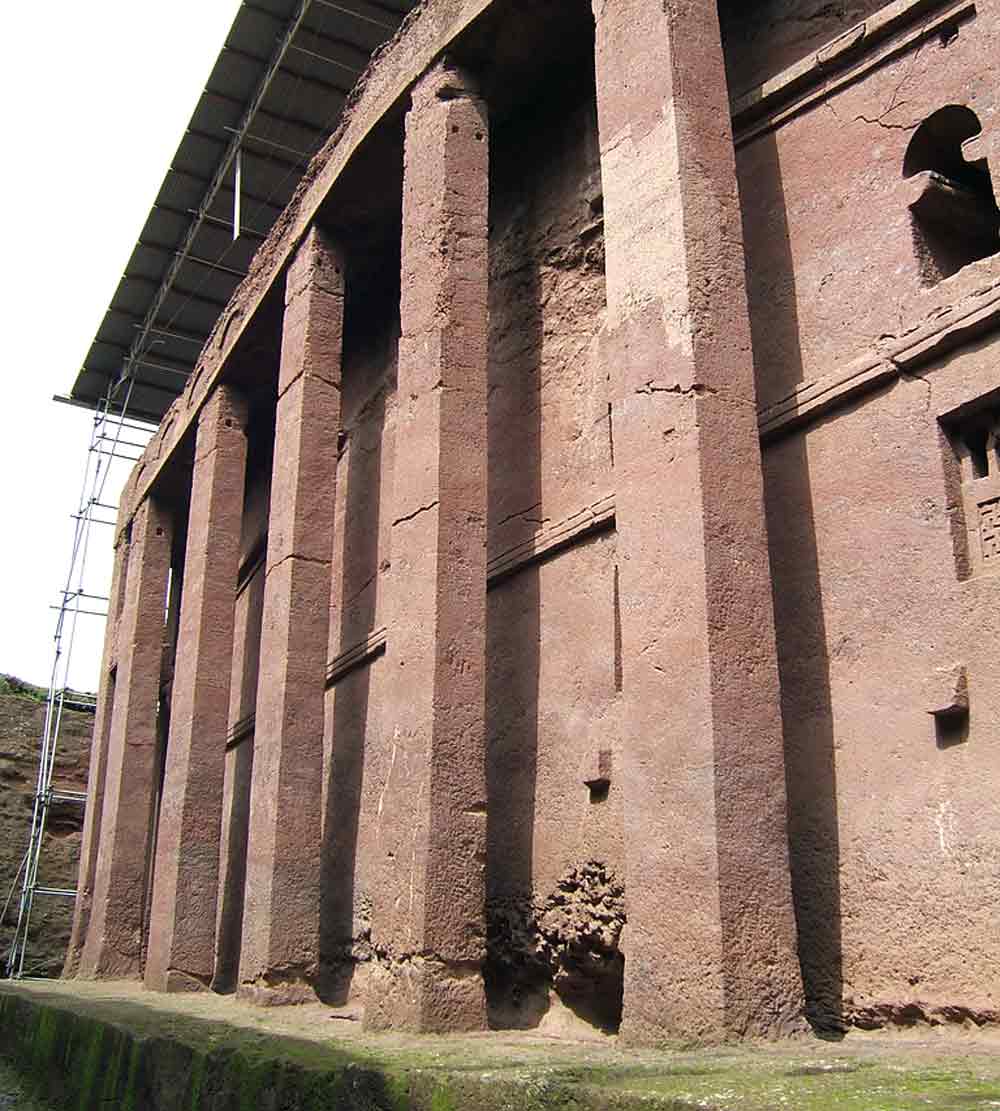
Many Tigrayan churches were cut into cliffs or from single blocks of stone, as they were in Turkey and in parts of Greece, where Christianity had existed from its earliest years. The church is a central feature of communities and of each family’s daily life. Each community has a church with a patron saint.

Hotels Addis Ababa

0
hilton, hotels addis ababa -
"IMG_4879 Addis Abeba" by Ninara is licensed under CC BY 2.0

If you’re looking to treat yourself, a high-end hotels Addis Ababa that has extra something to make your trip all the more memorable then Addis Ababa’s 5-star hotels are the place to be when you book your next vacation.

Ready to experience the next standard in luxury? We know you are thinking about it. Why not request the best of accommodations during your holiday to Addis Ababa?

These 5-star properties feature luxuries like on-site restaurants with sweeping city views, in-room massages, and spacious private terraces. You can also expect excellent customer service from these hotels, so get ready to kick back and indulge. They’re often situated in central locations, which makes exploring a destination’s main sights a breeze.

So, here are 10 Luxurious hotels Addis Ababa.
Sheraton Addis Hotel

Sheraton Addis, a Luxury Collection Hotel offers accommodation in Addis Ababa. Guests can enjoy the out- door pool or relax at the spa and wellness Centre. Free parking is available on site and there is free Wi-Fi in the public areas.

The rooms at Sheraton Addis feature flat-screen TVs with cable channels. The rooms are equipped with a desk, a minibar and a DVD player. Sheraton Addis guests can enjoy a meal or a drink at one of the 11 restaurants or bar/lounge outlets available on site, offering an array of cuisines.

The hotel offers a children’s playground and a gift shop, and guests can enjoy activities such as karaoke or an evening at Gaslight Night Club. Addis Ababa Bole International Airport is within an 8 km drive.

Hotels Addis Ababa: Sheraton Addis Hotel

Capital Hotel and Spa

Featuring a fitness Centre and a spa & wellness Centre, Capital Hotel and Spa is situated in Addis Ababa, 1.5 km from UN Conference Centre Addis Ababa. Guests at the 5-star property can enjoy mountain views in the rooms and access to a sauna.

The hotel provides a shared lounge. All rooms at the hotel are equipped with a seating area and a flat-screen TV with satellite channels. With a private bathroom, rooms at Capital Hotel and Spa also have pool view.

All units have a desk. A Full English/Irish breakfast is served every morning at the property.

There is an on-site restaurant, which serves African cuisine. The accommodation offers a terrace. Guests have access to the on-site business Centre and can use the on-site ATM machine. Speaking Arabic, German, English and French, staff are willing to help at any time of the day at the reception.

Hotels Addis Ababa: Capital Hotel and Spa

Golden Tulip Hotel

Offering a barbecue and fitness Centre, Golden Tulip Addis Ababa is situated in Addis Ababa. Guests can enjoy the on-site bar, and meals at the on-site restaurant. Free private parking is available on site.

Golden Tulip Addis Ababa features free Wi-Fi throughout the property. Guest rooms at Golden Tulip is air-conditioned and equipped with a flat-screen TV with satellite channels, tea-and-coffee-making facilities, and a minibar.

Each one comes with a private bathroom fitted with bath and shower, and also including bath robes and slippers. Golden

Tulip Addis Ababa offers a free shuttle service, a 24-hour front desk and meeting facilities. There is also a shared lounge where guests can relax and watch TV. Addis Ababa Bole International Airport is 2 km away.

Hotels Addis Ababa : Golden Tulip Hotel

Jupiter International Hotel -Bole

Jupiter International Hotel – Bole is located in Addis Ababa, 350 m from the UNECA Conference Center. Free Wi-Fi is offered and the hotel features a restaurant, bar and 24-hour front desk.

The modern rooms are deco- rated in natural colors and offer a view of the city. Each room comes fitted with a flat-screen satellite TV, desk, minibar and a safe. At Jupiter International Hotel – Bole the restaurant features a variety of delicious dishes and guests can enjoy a cocktail at the bar and lounge.

Free private parking is available on site. Guest service agents are stationed at the airport 24 hours a day and a free shuttle service is provided from the airport.

The hotel is 2 km away from Addis Ababa Bole International Airport, 5 km from the National Palace, and 5 km from the Addis Ababa Stadium. A number of embassies can be found within the surrounding area.

Hotels Addis Ababa : Jupiter International Hotel -Bole

Radisson Blu Hotel

Radisson Blu Hotel, Addis Ababa offers accommodation in Addis Ababa. The hotel has a terrace, spa Centre, a bar, and guests can enjoy a meal at the restaurant. Rooms include a flat-screen TV.

You will find a kettle in the room. Every room includes a private bathroom fitted with a bath or shower. Radisson Blu Hotel, Addis Ababa features free Wi-Fi throughout the property. You will find a 24-hour front desk at the property.

Hotels Addis Ababa : Radisson Blu Hotel

Getfam Hotel

Getfam Hotel offers accommodation in Addis Ababa. The hotel has a terrace and views of the mountains, and guests can enjoy a meal at the restaurant. Free Wi-Fi is offered throughout the property and free private parking is available on site.

Guests can enjoy the spa, swimming pool and a fitness center at the property. Each room comes with a flat-screen TV. Certain units have a seating area where you can relax.

All rooms have a private bathroom with a bath and shower, with bath robes provided. Extras include slippers and free toiletries. You will find free shuttle service at the property. Getfam Hotel is 4.9 km from Addis Ababa Bole International Airport.

This property is also rated for the best value in Addis Ababa! Guests are getting more for their money when compared to other properties in this city.

Hotels Addis Ababa : Getfam Hotel

Sapphire Addis

Set in Addis Ababa, Sapphire Addis features a spa experience, with its spa Centre, sauna and fitness Centre. Guests can have a drink at the bar at the property.

All guest rooms at the hotel come with a flat-screen TV with satellite channels and a kitchen while selected rooms will provide you with a balcony. The rooms will provide guests with a fridge, an electric kettle and a minibar.

Rooms are complete with a private bathroom with free toi- letries. A buffet or continental breakfast is available every morning at the property. Sapphire Addis can conve- niently provide information at the 24-hour front desk to help guests to get around the area.

Hotels Addis Ababa : Sapphire Addis

Harmony Hotel

Offering a spa Centre and hot tub, Harmony Hotel is located in the Bole district in Addis Ababa, 100 m from Gym. The hotel has a sun terrace and sauna, and guests can enjoy a meal at the restaurant.

Free private parking is available on site. Certain units feature a private bathroom with a hot tub, while others have bathrobes and slippers. Some units include a seating area where you can relax.

You will find a coffee machine and a kettle in the room. Extras include free toiletries and a hairdryer. Harmony Hotel features free Wi-Fi. A flat-screen TV is

provided. You will find free shuttle service, hairdressers and a gift shop at the property. You can play darts at this hotel, and car hire is available.

Edna Mall (Addis Ababa) is 200 m from Harmony Hotel, while Medhane Alem Cathedral is 400 m from the property. The nearest airport is Addis Ababa Bole International Airport, 2 km from Harmony Hotel.

Hotels Addis Ababa : Harmony Hotel

hilton, hotels addis ababa -
“IMG_4879 Addis Abeba” by Ninara is licensed under CC BY 2.0

Impress Hotel

Offering a free airport shuttle, Impress Hotel offers accommodation in Addis Ababa and within 5 minutes’ drive of Bole International Airport. The spacious rooms are equipped with a kitchenette.

Free Wi-Fi and private parking are available. The rooms also have a flat-screen TV with satellite channels and a desk. Some units feature a seating area where you can relax.

Certain rooms have views of the mountains or city. Every room includes a private bathroom equipped with a shower. For your comfort, you will find bath robes and slippers. Impress Hotel has a 24-hour front desk and there is a beauty shop on the premises. The hotel also offers car hire.

Hotels Addis Ababa : Impress Hotel

Empire Addis International Hotel

Empire Addis International Hotel provides rooms in Addis Ababa. Featuring a restaurant, the property also has a shared lounge. Rooms are fitted with a balcony with views of the mountain.

The units in the hotel are fitted with a flat-screen TV with satellite channels. With a private bathroom, rooms at Empire Addis International Ho- tel also offer free Wi-Fi. All units at the accommodation are equipped with a seating area.

Guests at Empire Ad- dis International Hotel can enjoy a continental breakfast. The hotel also provides a business Centre and guests can check the newspapers at Empire Addis International Hotel.

Speaking Arabic and English at the reception, staff are ready to help around the clock. Friendship Business Center is 800 m from the accommodation.

Hotels Addis Ababa : Empire Addis International Hotel

Cheaper Hotels Addis Ababa

Traveling to Addis Ababa but aren’t sure where to stay? The capital city of Ethiopia offers a range of budget, boutique, and luxury hotels for leisure and business travelers alike. Expect to pay around $75 per night on average for cheap hotels Addis Ababa. There are dozens of hotels within a short drive of Bole International Airport.

So, here are 10 Inexpensive hotels Addis Ababa if you have a limited budget.

Toronto Addis Hotel

Situated 1.8 km from Matti Multiplex Theatre and featuring a fitness Centre, Toronto Addis Hotel features accommodation in Addis Ababa. Free Wi-Fi is featured. Some units feature a terrace and/or balcony. A conti- nental breakfast can be enjoyed at the property.

Edna Mall Addis Ababa is 1.8 km from the bed and breakfast, while UNECA Conference Center is 3.2 km away. This property is also rated for the best value in Addis Ababa! Guests are getting more for their money when compared to other properties in this city.

Cheaper Hotels Addis Ababa : Toronto Addis Hotel

Trinity Hotel

Situated in Addis Ababa and within 90 m of Matti Multiplex Theatre, Trinity Hotel has barbecue facilities,

non-smoking rooms, and free Wi-Fi. This 3-star hotel offers a terrace. Pizza and African dishes are served at the in-house restaurant. At the hotel, rooms have a desk. Trinity Hotel offers certain units that include a balcony,  and rooms come with a coffee machine.

At the accommodation, rooms include a private bathroom with a hot tub. The daily breakfast offers continental, vegetarian or vegan options. Guests can rent a car to explore the area, use the business center, or read the newspapers available on site.

Staff at the 24-hour front desk speak Arabic and English. Edna Mall Addis Ababa is 100 m from Trinity Hotel.

Cheaper Hotels Addis Ababa : Trinity Hotel

Wudasie Castle Hotel

Situated in Addis Ababa, 700 m from Kibru Supermarket, Wudasie Castle Hotel is a 3-star hotel that boasts a terrace and a shared lounge. This 3-star hotel features free Wi-Fi and a bar. There is free private parking avail- able on site.

At the hotel all rooms are equipped with a desk, a flat-screen TV and a private bathroom. Wudasie Castle Hotel features some units that feature a terrace, and the rooms come with a kettle. At the accommodation rooms are fitted with a seating area.

Guests at Wudasie Castle Hotel can enjoy a vegetarian or a vegan breakfast. There is an in-house restaurant, which specializes in American and Asian cuisine and also offers Vegetarian, Veg- an and Dairy-free options.

Speaking Arabic and English at the 24-hour front desk, staff will be happy to provide guests with practical guidance on the area. Addis Ababa Airport is an 11- minute drive from Wudasie Castle Hotel. The property offers free airport shuttle service.

Cheaper Hotels Addis Ababa : Wudasie Castle Hotel

Hanom Hotel

Hanom Hotel is set in Addis Ababa, 3.5 km from Friendship Business Center. Located around 4 km from Matti Multiplex Theatre, the hotel with free Wi-Fi is also 4 km away from Edna Mall Addis Ababa. The property features a terrace and a 24-hour front desk.

Certain rooms have a kitchen with a fridge. Guests at the hotel can enjoy a buffet breakfast. UNECA Conference Center is 7 km from Hanom Hotel, while UN Conference Centre Addis Ababa is 7 km from the property.

Cheaper Hotels Addis Ababa : Hanom Hotel

Bekelech Hotel

Set within 2.6 km of Matti Multiplex Theatre and 2.6 km of Edna Mall Addis Ababa, Bekelech Hotel offers rooms in Addis Ababa. The property is situated 3.4 km from UNECA Conference Center, 3.5 km from UN Conference Centre Addis Ababa and 3.9 km from Asni Gallery.

National Palace is 3.9 km from the property. At the hotel, each room comes with a wardrobe, a flat-screen TV and a private bathroom. All units have a seating area. A continental breakfast is available each morning at the property.

The on-site restaurant specializes in In- ternational and Local cuisine. The reception can provide advice on the area in order to help guests plan their day. Friendship Business Center is 5 km from Bekelech Hotel, while Addis Ababa Museum is 5 km from the property.

Cheaper Hotels Addis Ababa : Bekelech Hotel

Nega Bonger Hotel

Offering a year-round outdoor pool and spa Centre, Nega Bonger Hotel is situated in Addis Ababa. The hotel has a terrace and views of the pool, and guests can enjoy a drink at the bar. Each room features a flat-screen TV with satellite channels.

You will find a kettle in the room. Every room is equipped with a private bathroom. For your comfort, you will find bathrobes. There is free airport shuttle service at the property. African Union is 6 km from Nega Bonger Hotel, while UNECA Conference Center is 7 km from the property. Addis Ababa Bole International Airport is 5 km from the property.

Cheaper Hotels Addis Ababa : Nega Bonger Hotel

Caravan Hotel

Featuring a free airport shuttle and a 24-hour front desk, Caravan Hotel offers accommodation in Addis Aba- ba. The hotel is located just 4 km from Addis Ababa Bole International Airport. The rooms at the hotel are equipped with a flat-screen TV, desk, minibar and safety deposit box.

The bathrooms include a bidet and hair- dryer. Guests can enjoy International cuisine at the on-site restaurant and there is also a bar. Early breakfast can be arranged on request.

Caravan has meeting and business facilities and a currency exchange. Free Wi-Fi is available and private parking is possible on site. The National Museum of Ethiopia is a 15-minute drive away.

Cheaper Hotels Addis Ababa : Caravan Hotel

Friendship International Hotel

Set in the Bole district of Addis Ababa, Friendship International Hotel offers a fitness Centre, a spa & wellness Centre and a terrace. The property is close to several well-known attractions, 400 m from Edna Mall Addis Ababa, 400 m from Matti Multiplex Theatre and 500 m from Friendship Business Center.

The hotel has a hot tub and free shuttle service. At the hotel, the rooms are fitted with a balcony with a city view. Every room is equipped with a private bathroom with free toiletries. The rooms are equipped with a flat-screen TV with satel- lite channels. A buffet breakfast can be enjoyed at the property.

Guests can make use of the sauna. There is an in-house bar and guests can also make use of the business area. Languages spoken at the reception include Ara- bic, English and French. Dembel City Center is 2.3 km from Friendship International Hotel, while Addis Ababa Museum is 3 km away.

Cheaper Hotels Addis Ababa : Friendship International Hotel

Bete Abrham Hotel

Situated in Addis Ababa, Bete Abrham Hotel feature accommodations with free Wi-Fi. There is a fully equipped private bathroom with shower and free toiletries. The daily breakfast offers continental and American options.

Cheaper Hotels Addis Ababa : Bete Abrham Hotel

Ye Afoli International Hotel

Ye Afoli International Hotel is set in Addis Ababa, within 2.1 km of Friendship Business Center and 2.9 km of Matti Multiplex Theatre. Among the various facilities are a fitness center and a terrace. The hotel features a restaurant, and Edna Mall Addis Ababa is 2.9 km away.

All units at the hotel come with a seating area, a flat- screen TV with satellite channels and a private bathroom with free toiletries and a bath. Guest rooms feature a desk. A Full English/Irish breakfast can be enjoyed at the property. Round-the-clock assistance is available at the reception. Addis Ababa Museum is 4.4 km from Ye Afoli International Hotel, while UNECA Conference Center is 4.4 km from the property.

Cheaper Hotels Addis Ababa : Ye Afoli International Hotel

Finally, Hotels Addis Ababa

The number of hotels Addis Ababa is increasing, following a large increase of visitors in the country. Sheraton is one expensive hotels Addis Ababa and it costs up to 20 times other cheaper hotels Addis Ababa.

Therefore, based on the location and budget you have, you will have various hotels to choose from.

cover: “Sheraton Hotel” by Travel Aficionado is licensed under CC BY-NC 2.0

Yeha: Ancient Town, Amazing Structure, Unpopular Past of 1 BC

0
yeha ruines
"Ruínas de Yeha, Etiópia" by Samuel Santos is licensed under CC BY-NC-SA 2.0

In a rural part of the Tigray area, a few hours drive from Axum lies Yeha, a beautiful and tranquil place. In this province, Ethiopia’s historic route begins with the look at the spectacular remains.

It is the earliest recorded civilization of Ethiopia nearly three million years ago during the bronze age. It has structures such as temples, residences, and tombs made from rocks solid walls with no windows and no mortar.

Yeha, What Was Before Axum


The powerful kingdom of Axum which is found in Ethiopia, at the highlands of Tigray was at its peak during the first millennium BC. It had trade connections through the red Sea to Europe and China. It had agriculture and architecture works that were ahead of its time.

  1. Aksum Empire-cradle to grave, Dazzling story of 1 century
  2. Aksum Ethiopia: Historic past of a once-powerful nation in Ethiopia
  3. 10 Amazing Facts About Lalibela Churches
  4. Yeha – Saba’ (Sheba) Kingdom Site in Ethiopia – ThoughtCo

It was once the greatest empires parallel to the Roman, Chinese and Persian civilizations. Yet what was the time before the Axum?

Yeha is a fascinating civilization in a less-known territory before the rise of Axum. It is frequently known as the pre-Aksumite civilization.

It’s period began in the early first millennium BC (ca. 800–700 BC) and is marked by the appearance of nucleated settlements, complex stratified societies and kingdoms, monumental architecture, metal production, and writing (Rodolfo_Fattovich, The Development of Ancient States in the Northern Horn of Africa, c. 3000 BC-AD 1000: An Archaeological Outline)

Origins of Yeha Civilization

There was trade contact between northern Africa and southwest Arabia. But in time developed even more cultural ties. Earlier archeologists believe some immigrates from southern Arabia settled in northern Ethiopia.

In the 1st century, BC immigrants from the Sabaean region together with the indigenous population established strong trade routes through the red sea. Through these trade routes flourished the Yeha civilization.

Yeha had the influence of the South Arabians. It had characters of south Arabian elements. This lead to the debate as to whether it was founded by Sabean settlers or was the Ethiopians influenced by Sabean culture and ideas. Currently, it is believed that it was made by the mix of these groups. Fragmented inscriptions on stone slabs, altars, and seals were found in Yeha written in Sabean language.

yeha ruines
“Ruínas de Yeha, Etiópia” by Samuel Santos is licensed under CC BY-NC-SA 2.0

The architecture of the Yeha Civilization

Although little has been revealed about the civilization of Yeha, the architecture provides the majority of the evidence. It has proven about the civilization culture, religion language, and other social aspects. Most of the findings architecture of religious aspects but in recent years residential life are being revealed as well.

Meqaber Ga’ewa

The investigation for archeological findings began in the Rocky Mountains Southwest of wukro, around the village of meqaber Ga’ewa. An unusual stone structure appeared during a local quarry. This was carved limestone with inscriptions.

These findings were unexpected in that part of Tigray region. They were only tending to occur much further to the north near the Aksum and the Eritrea region. Then the local archeologists contacted a specialist from the North African archeology.

After careful excavation, a structure was revealed. It was 13m by 9m in size. It’s is a flat, undressed limestone. It is put in a large enclosure.
The main building of the carved limestone had a large stepped entrance with porch. It had a central room and three smaller rooms at the back. In the central area of the built structure is a fascinating discovery.

It is a visible stone altar. It consists of well-decorated narrow steps on its base and false windows similar to the Axum monolithic obelisks. And on the top is a deep square carved basin. Perhaps through this, the sacrificed animal blood would flow from through to another basin.
On the back of the shrine is another sanctuary.

This contained further limestone objects. This where a stone with Sabean inscription and miniature altars. The Sabean inscriptions on this altar supplied vital clues in the history of the altar. The inscriptions proved that the temple of meqaber Ga’ewa has dedicated to Alamqah; a chief God of the Arabians.

The back of this temple where spectacular polished cobblestones. They formed pre-Islamic shrines. Another important note was the mention of a King’s mother. It was rare to give recognition to women in South Arabia. But in North-Eastern Africa it was very common.

The civilization of Kush in Sudan women had a significant political role. It was the Queen and the king’s mother who was depicted in temples while the king’s had only matrilineal claims.

Great Temple of Yeha

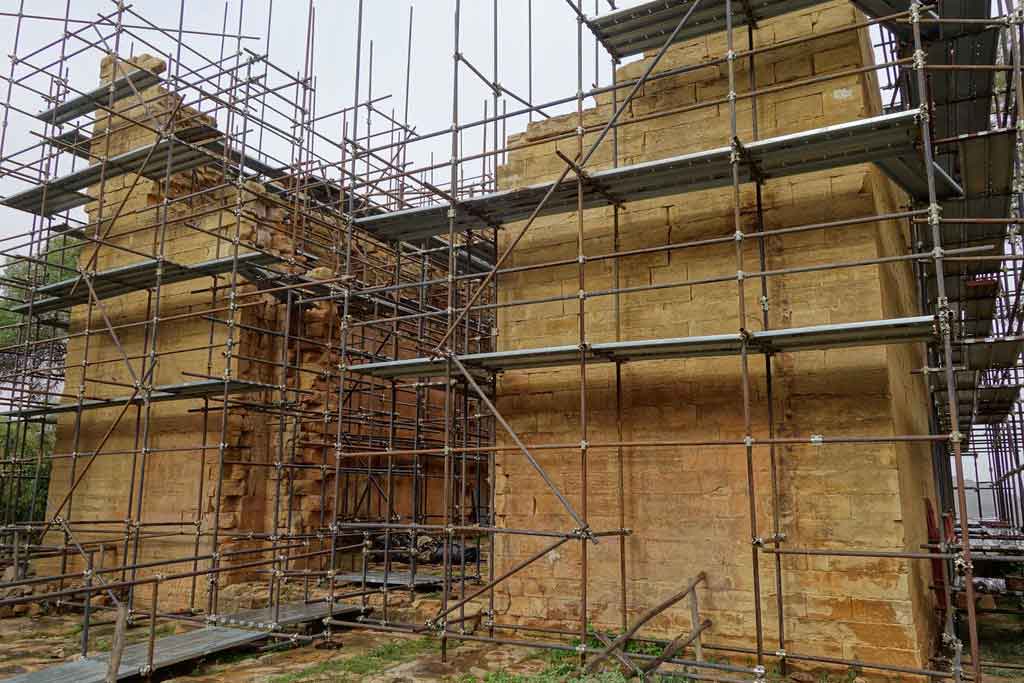
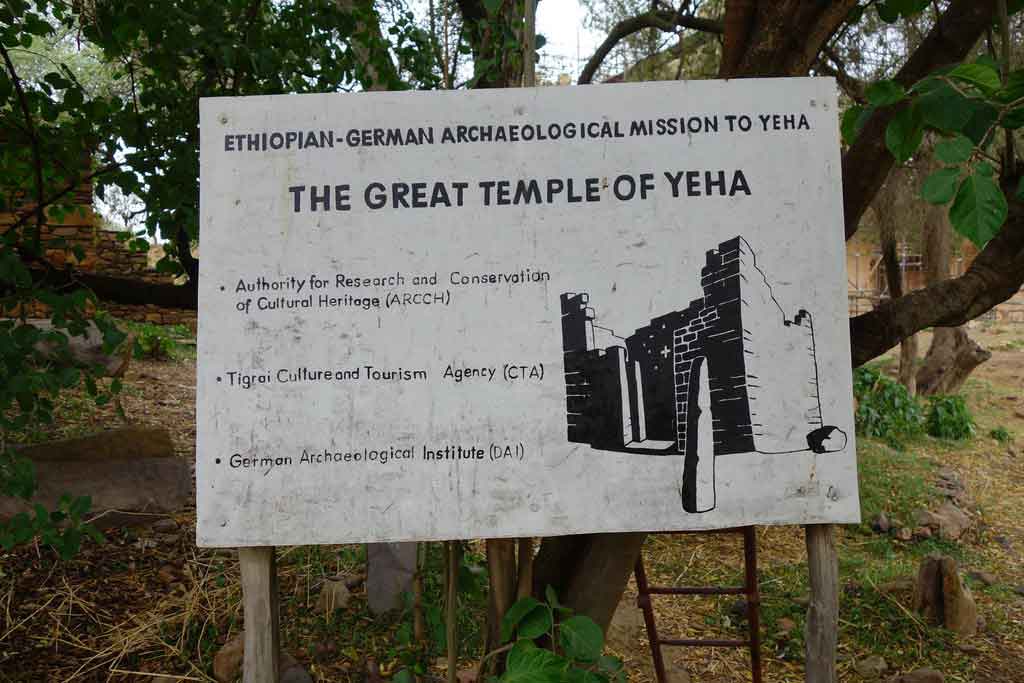
The grand temple of Yeha was located 50km east of the city Axum. It is one of the antique standing structures of Ethiopia. Currently, this temple stands within the grounds of a Christian Church.

Thus it is used for religious activities by priests and members of the church. And the area around the temple is used for burial purposes. Today not much remains of the building original state.

Form

The Yeha temple measures 19m by 15 meters It has a dramatic entrance with more than six steps. It has a rectangular form. The longest side extends from the East to the west. It is constructed on a bedrock surface with a larger podium as a stable foundation. The walls are smooth limestone blocks. They are laid without any mortar.

yeha writings on stone
“Ruínas de Yeha, Etiópia” by Samuel Santos is licensed under CC BY-NC-SA 2.0

The north, south, and west walls are double-walled; they are 1.2 to 1.4 meters wide. At some interval, the stones are made perpendicular for extra strength and stability. The East wall seems to be thicker with 3 layers of wall.

This was probably to maintain more stability because it was built on a sloping terrain. All the four walls had a rise of 13 meters. On the west wall is a large doorway, currently damaged. But it is believed that it had rectangular and square mortise holes with iron tenons.

Today, the four walls remain intact to the height of six meters. This raises the thinking that the structure above the six meters was built less stable.

The main space of the Yeha Temple had a house of Altar which had similar characteristics with the meqaber of Gawa. It is said that the limestone which Yeha was built from is brought from wuquro.

Structure Yeha

Although there are no adequate findings of the temple of yeha scholars claim that the weight of roofs was supported by load-bearing walls and pillars every two meters span. Evidence suggests that there where twelve pillars.

This pillar support is dressed 1m by 1.5 meters. They are located 1.5 meters from the north and south walls and 2 meters from the west Wall. But on the central area (nave) the roof could have been supported by lintel and post. But the eastern platform is raised above the other level of supports.

The temple of Yeha was abandoned on the late pre-Axum times, the roof collapsed the interior partition walls that divided the rooms was damaged. Which once had two floors and a partially covered roof, was left as an empty crypt. The ruins of the temple have been reused in construction

Grat Be’al Gebri

The earliest Architecture in yeha is located at the palace grate be’al Gebri. It was constructed from 8th to 7th century BC. It is located in the northeast of the temple of Yeha. The structure was once a castle, it is estimated 2500 sq meters and it’s recognized for its unique, square-segmented, solid columns.

The entrance was at the front, It had raised platform which was 4.5 meters high. The platform was made from volcanic rock. On the exterior, the corners had characters of projections. It also has six pillars. These pillars have been preserved but the stairs that lead to the entrance have been lost although some ruins still exist.

At the back of the entrance, is an enormous gate with a narrow opening. Penetrating them where wooden beams. This beams had strong evidence in providing the time of this construction. The radiocarbon dating of these wooden beams dates to the 8th to the 6th century BC.

the great temple of yeha
“Ruínas de Yeha, Etiópia” by Samuel Santos is licensed under CC BY-NC-SA 2.0

After the latest investigations, the Grat Be’al Gebri multi-storeyed half-timber complex is thought to be the greatest preserved roofed timber frame structure of South Arabia and Eastern Africa and possibly the oldest of Eastern Africa.

The construction-technique with horizontal assembled girders differs considerably from its South Arabian prototypes but continues in the Axumite architecture such as those displayed at the famous stele of Axum and later on, in the modern age building traditions of Ethiopian churches. Its cultural and historical significance, even for Ethiopian building history, can be highly appreciated for this reason.

Conclusion

Yeha was the center of the administrative and trade power of society. It had religious buildings, residences, and tombs. Yeha beyond the architecture was a stepping stone for the Great Axum civilization. It’s trade routes through the red Sea which led to it’s the economical growth of Yeha was very important for the Axum empire origin.

Thus is one of the most prestigious civilizations in the horn of Africa. Scholars say there is yet much to be revealed in this area. The conservation for the Yeha will requires short term and long term measures that include stabilization, preservation, maintenance, and development activities. There also must be an aggressive effort put forth to raise funds to support the conservation program.

Bibliography

  • Highlands, G. B.-b. (n.d.). Grat Beal Gebri – building history Analysis of a Monumental Building of the early 1st Millennium BC. Chr. In the Ethiopian Highlands.
  • Phillipson, A. C. (n.d.).
  • Rodolfo_Fattovich. (n.d.). The Development of Ancient States in the Northern Horn of Africa, c. 3000 BC-AD 1000: An Archaeological Outline.

Facts About Lalibela Church in Ethiopia

3
lalibela bete
DSCF0549-by-Giustino-is-licensed-under-CC-BY-2.0

Facts About Lalibela Church in Ethiopia…Lalibela is found in Northcentral Ethiopia. Historically known as Roha, capital of the Zague dynasty for about 300 years, was renamed for its most distinguished monarch, Lalibela (late 12th–early 13th century), who according to tradition built the 11 monolithic churches for which the place is famous.

The churches, designated a UNESCO World Heritage site in 1978, were hewn out of solid rock (entirely below ground level) in a variety of styles. Generally, trenches were excavated in a rectangle, isolating a solid granite block. The block was then carved both externally and internally, the work proceeding from the top downward.

Here are Facts About Lalibela Churches.

Legends are True?

According to an Ethiopian legend, God instructed Lalibela to build the unique Lalibela churches in Ethiopia; the structures were built with the help of angels. King Lalibela, who was poisoned by his brother and fell into a three-day coma, was taken to Heaven and given a vision of a rock-hewn city. After Lalibela woke up from the comma and was crowned as a king, he gathered local handymen and started building the churches, the likes of which the world had never seen before.

Another legend has it that that the king went into exile to Jerusalem and vowed that when he returned he would create a New Jerusalem. At that time, Muslims conquests halted Christian pilgrimages to the Holy Land making them often dangerous and even deadly.

Some scholars estimate it would have taken a 40,000-man workforce to build the churches; local legends claim that human workers labored the daylight hours away, with celestial beings taking over for night duty, doing dou- ble the amount of labor of their human counterparts, enabling the churches to be built at incredible speed.

Facts About Lalibela Churches in Ethiopia: Legends are True?

Excavated not constructed

a wide trench on all four sides of the rock, then painstakingly chiseling out the interior. The largest church is 40 feet high, and the labor required to complete such a task with only hammers and chisels is astounding.

One of the churches, Bet Maryam, contains a stone pillar on which King Lalibela wrote the secrets of the buildings’ construction. It is covered with old cloths and only the priests may look at it.

Facts About Lalibela Church in Ethiopia: Excavated not constructed

Structural Beauty

The churches have been in continuous use since they were built in the 12th century. The roofs of the Lalibela Church in Ethiopia are level with the ground and are reached by stairs descending into narrow trenches. The churches are connected by tunnels and walkways and stretch across sheer drops. The interior pillars of the churches have been worn smooth by the hands of supplicating worshippers.

The rock-cut churches are simply but beautifully carved with such features as fragile-looking windows, moldings of various shapes and sizes, different forms of crosses, swastikas (an Eastern religious motif) and even Islamic traceries. Several churches also have wall paintings.

Facts About Lalibela Church in Ethiopia : Beauty

Home to the Biggest Timket Festival

The Lalibela Church in Ethiopia hosts one of the largest Timket festivals in the country, and pilgrims from all around the province come to the town for it. During the festival, pilgrims participate in three days of singing, dancing, and festivities around the church of Saint George.

The churches attract thousands of pilgrims during the major holy day celebrations and are tended by Coptic priests.

Facts About Lalibela Church in Ethiopia: Home to the Biggest Timket Festival

1520 First Contact

The first Europeans saw these extraordinary holy sites were Portuguese explorers Pero da Coviha and Priest Francisco Alvares in the 1520s, one of whom noted in his journal that the sights were so fantastic, he expected readers of his descriptions would accuse him of lying.

The priest wrote, “I weary of writing more about these buildings, because it seems to me that I shall not believe if I write more.” While another Portuguese visitor came a few years after Covilha and Alvares, no other Europeans came for another 300 years!

Facts About Lalibela Church in Ethiopia: 1520 First Contact

lalibela prist facts,  about lalibela churches -
Facts About Lalibela -
Facts About Lalibela churches-

One of Many

The rock-hewn churches in Lalibela are certainly an ancient Beauty, but they aren’t the only ones in the country. The Tigray region, located in northern Ethiopia is home to far more churches, around 150 more. The churches are spread out all the way between Axum and Mekelle. Some serious hiking and climbing is needed to get to them.

Facts About Lalibela Church in Ethiopia: The rock-hewn churches are not the only ones in Ethiopia

Home to the largest monolithic church

One of the Lalibela Church in Ethiopia (Bet Medhane Alem) is thought to be the largest monolithic church in the world. This puts it ahead of similar churches that were carved out of rock in Bulgaria, France, Finland, and Cappadocia, Turkey.

Facts About Lalibela Church in Ethiopia: Home to the largest monolithic church

Continuous Use

The churches have been in continuous use since they were built in the 12th century. The church arrangement. Restoration work in the 20th century indicated that some of the churches may have been used originally as forti- fications and royal residences.

Facts About Lalibela Church in Ethiopia: Continuous Use

The Churches Arrangement

The churches are arranged in two main groups, connected by subterranean passageways. One group, surround- ed by trench 36 feet (11 meters) deep, includes House of Emmanuel, House of Mercurios, Abba Libanos, and House of Gabriel, all carved from a single rock hill.

House of Medhane Alem (“Savior of the World”) is the largest church, 109 feet (33 meters) long, 77 feet (23 meters) wide, and 35 feet (10 meters) deep. House of Gior- gis, cruciform in shape, is carved from a sloping rock terrace. House of Golgotha contains Lalibela’s tomb, and House of Mariam is noted for its frescoes. The interiors were hollowed out into naves and given vaulted ceilings.

Facts About Lalibela Church in Ethiopia: The Churches Arrangement

Secret Tunnels

The expert craftsmanship of the Lalibela churches has been linked with the earlier church of Debre Damo near Aksum and tends to support the assumption of a well-developed Ethiopian tradition of architecture.

Facts About Lalibela Church in Ethiopia: Secret Tunnels

Geography of Lalibela

Lalibela is located in the North Wollo Zone in Amhara Region, at roughly 2,500 meters (8,200 ft) above sea level. Historical name Roha, religious and pilgrimage center, north-central Ethiopia. The whole of Lalibela is a large antiquity of the medieval and post-medieval civilization of Ethiopia. Famous for its rock-cut monolithic churches.

Lalibela is one of Ethiopia’s holiest cities, second only to Axum, and a center of pilgrimage. Roha, capital of the Zague dynasty for about 300 years, was renamed for its most distinguished monarch, Lalibela (late 12th–early 13th century), who according to tradition built the 11 monolithic churches for which the place is famous.

Facts About Lalibela: The Geography

The Town

Before the Town was named as such, the area that remains to be a stalwart hub of early Christianity was once known as Roha. Prior to the early middle ages, this place was just one of the many inconsequential hamlets in the ancient Nubian civilization. Now, the city of Lalibela is the second holiest city in the Ethiopian Christian sect after Axum.

Facts About Lalibela: The Town

lalibela bete
DSCF0549-by-Giustino-is-licensed-under-CC-BY-2.0

The Churches

To think of Lalibela without its iconic monolithic churches is unimaginable. Lalibela is known around the world for its churches carved from within the earth from “living rock,” which play an important part in the history of rock-cut architecture. Though the dating of the churches is not well established, most are thought to have been built during the reign of Lalibela, namely during the 12th and 13th centuries. UNESCO identifies 11 churches, assembled in four groups. In fact, it’s because of these churches that a vibrant religious community thrives up to this day.

Facts About Lalibela Church in Ethiopia: The Churches

UNESCO Lalibela

The churches in Lalibela are already centuries old, but they were only inscribed in the list of UNESCO World

Heritage Sites during the year 1978. The 11 churches qualified under the three basic criteria:

  • Exceptional artistry
  • Regional and Cultural connection with other places like Jerusalem
  • A testimony to the host territory’s civilization

This important pilgrim site of early Christianity left an indelible mark in Ethiopia’s history and legends.

Facts About Lalibela Church in Ethiopia: The UNESCO

Lalibela The King

Lalibela (reigned ca. 1181-ca. 1221) was an Ethiopian king and saint to whom are attributed the famous mono- lithic churches of northern Ethiopia. Lalibela seems to have been born in the town of Roha in northern Ethiopia, which was then the capital of the Zagwe dynasty. This town was later renamed Lalibela in his honor.

In the late 14th or early 15th century a monk named Abba Amba wrote a biography of Lalibela. According to Amba, Lalibela was an extremely devout Christian in his youth even to the point of being an ascetic and recluse. It was with reluctance that Lalibela married and then accepted the crown of Ethiopia, which had previously been held by his brother.

Prior to his ascension to the throne, his baptismal name was derived from the phrase ‘the bees recognize his sovereignty.’ King Lalibela is best known for commissioning the creation of the magnificent monolithic churches.

Facts About Lalibela Church in Ethiopia: Lalibela The King

The Legend

Until these day, there is no definitive explanation as to how the churches were built. But, legend has it that the then King Lalibela got the inspiration when he saw Jerusalem in his lucid dreams. It is even believed that the construction of the magnificent churches in Lalibela was only possible with the aid of ‘Angels’.

Facts About Lalibela Church in Ethiopia: The Legend

Churches of Lalibela in Ethiopia and Tourism

Lalibela depends on tourism. There are about 1000 priests and deacons at Lalibela who are supported by revenue generated by the churches. Similarly, many of the town’s 20000 population depends on the tourists that come to see the churches and stay and eat in the town’s many hotels and restaurants.

Facts About Lalibela Church in Ethiopia: Tourism Dependent

Little is known how the Churches were built

For the past decade, the Lalibela mission, an international team of specialists, has come to visit the site to better understand its mysterious past, but little was answered. The team investigates a large trench running through the church complex that represents the Jordan river, the ancient cross denoting its religious significance. Nothing is known about how they were built.

Facts About Lalibela Church in Ethiopia:  4 Little is known how the Churches were built

ethiopia-holiday

Church in Ethiopia Lalibela and the Worshippers

A common sight around the churches are worshippers. Regardless of age, dropping to the ground in prayer and touching what they believe holy ground with their head three times in honor of the Holy Trinity. The churches are Christian sanctuary’s, who’s meaning to Ethiopian Orthodox is of profound importance.

Facts About Lalibela Church in Ethiopia: Worshippers

Ethiopia’s Jerusalem

The layout and names of the major buildings in Lalibela are widely accepted, especially by local clergy, to be a symbolic representation of Jerusalem. This has led some experts to date the current church forms to the years following the capture of Jerusalem in 1187 by the Muslim leader Saladin.

King Lalibela, revered as a saint, is said to have seen Jerusalem, and then attempted to build a new Jerusalem as his capital in response to the capture of old Jerusalem by Muslims in 1187. Each church was carved from a single piece of rock to symbolize spirituality and humility. Christian faith inspires many features with Biblical

names, even Lalibela’s river is known as the River Jordan. Lalibela remained the capital of Ethiopia from the late 12th into the 13th century.

Facts About Lalibela Church in Ethiopia: Ethiopia’s Jerusalem

Ethiopia’s Holiest city

Lalibela is one of Ethiopia’s holiest cities, second only to Axum, and a center of pilgrimage. Unlike Axum, the population of Lalibela is almost completely Ethiopian Orthodox Christian.

Ethiopia was one of the earliest na- tions to adopt Christianity in the first half of the fourth century, and its historical roots date to the time of the Apostles. The churches themselves date from the seventh to the thirteenth centuries.

Facts About Lalibela Church in Ethiopia : Ethiopia’s Holiest city

Conclusion on Facts about Lalibela Church in Ethiopia

Only a few facts about Lalibela Church in Ethiopia have been known until now. The continuous use of the church buildings and the tourism-centric plans seem to deter further studies.

However, the known legends and facts about Lalibela Church in Ethiopia show the beauty of the town and the places. Lalibela is definitely a place to discover.

If you have a plan to visit Ethiopia, Lalibela is the best place to consider.

Fun Facts About Ethiopia I Discovered Recently

0
Ethiopia holiday

Fun Facts about Ethiopia? Well, Ethiopia is Africa’s oldest independent country found on the horn of Africa. The capital is Addis Ababa meaning new flower in Amharic, the language the majority of Ethiopians speak, located at the geographic center of the country.

Ethiopia is one of the world’s oldest countries, its territorial extent having varied over the millennia of its exis- tence. In ancient times it remained centered on Aksum, an imperial capital located in the northern part of the modern state, about 100 miles (160 km) from the Red Sea coast.

The present territory was consolidated during the 19th and 20th centuries as European powers encroached into Ethiopia’s historical domain. Ethiopia has a unique heritage, being the home of the Ethiopian Orthodox Church – one of the oldest Christian denominations – and monarchy that ended only in the coup of 1974.

It became prominent in modern world affairs first in 1896, when it defeated colonial Italy in the Battle of Adwa, and again in 1935–36, when Ethiopia was invaded and occupied by fascist Italy. It served as a symbol of African independence throughout the colonial period and was a founder member of the United Nations and the African base for many international organizations. So here are 10 amazing fun facts about Ethiopia you will surely enjoy.

Fun Facts About Ethiopia: 10 Thirteen Months

Unlike the rest of the world Ethiopia has 13 months to a year. It all started several thousand years ago as Ethio- pians cottoned on to Spinal Tap’s belief that one more is always better and have been counting 13 months ever since.

And this means 2018 to the rest of the world is 2011 in Ethiopia. But that does profit tourism by legitimately claiming the country has 13 months of sunshine.

girl with ethiopia coffee
fun facts about ethiopia -

Fun Facts About Ethiopia: Discovery of Coffee

Did you know that Coffee was first discovered by an Ethiopian goat herder named Kaldi in the Kaffa region, from which the word “coffee” was derived when he noticed his goats “dancing” after eating the berries of the coffee plant?

Today, it is estimated that four out of five Americans drink coffee at least once a day. Coffee is the top agricultural export in 12 countries, with the livelihood of over 100 million people depending on its production, and it is the world’s second most valuable commodity after petroleum.

Fun Facts About Ethiopia: Birth of Rastafarianism

Most people assume that the birth place of Rastafari movement is in Jamaica, but it was the then Ethiopian emperor Haile Selassie who inspired the religion. In Amharic the native language in Ethiopia ‘ras’ is a title similar to chief, and ‘tafari’ the first name of Emperor Haile Selassie – essentially the movement suggests Selassie as an incarnation of God.

Ethiopians are proud of their former ruler’s supposed status as Jesus incarnate and some have adopted the dress and lifestyle habits of their Jamaican counterparts. Plus, just check the colors of the Ethiopian (Green, Yellow, and Red) flag to find their similarities. Although the Rastafari movement did evolve in Jamaica, it began in Ethiopia.

ethiopia-holiday

Fun Facts About Ethiopia: Ethiopia in ancient religious books

Ethiopia is one of the few countries mentioned in the Bible, the Koran, Homer’s Odyssey, and many other an- cient books.

The word Ethiopia appears in the king James Bible version 45 times. When the word Ethiopia is used in the bible, it mostly refers to the land south of Egypt.

And it is one of the few countries consistently mentioned in the Bible, the Koran, Homer’s Odyssey, and many other ancient books.

Fun Facts About Ethiopia: The Scenic Landscape

Ethiopia is home to many fantastic scenes sure to amaze all ecological researchers. A unique country with many facinating sites to see. The scene is varied and seamlessly green and beautiful with many wonderful geological features such as Dallol Depression (one of the lowest depressions in the world), the Erta ale Active Volcano, Sof Omar Cave, the Great East Africa Rift Valley, Blue Nile Gorge and others.

The country landscape gets as high as 4000 meters above sea level and as low as 500 meters below the sea level. The place has one of the hottest and the coldest places in a few kilometres apart.

lucy -

Fun Facts About Ethiopia: Mankind’s origin

Another amazing fact about Ethiopia is that Several archaeological findings suggest that the country is the cradle of mankind. In 1972, Donald Johansson and Tim D. White discovered Lucy, a 3.2-million-year-old hominid skeleton.

For years Lucy had all the attention, embarking on a nine-year worldwide tour and being well renown. Then there came Ardi found in the same region but is older than Lucy. So, Ethiopia is believed to have marked an important transition period from the early Hominids to the likes of us.

Fun Facts About Ethiopia: Never been Colonized

Ethiopia is one of the two African countries to never be colonised, the second being Liberia. But it wasn’t for lack of trying. The Italians had tried to colonize the country twice and failed.

But the Italians did have a military occupation of the country for 5 years but, the Ethiopian forces were waging military opposition the entire time and the whole country was never brought under control. As some of the locals put it, “we waited until they had built us railways and nice buildings… and then kicked them out.”

Fun Facts About Ethiopia: Abebe Bikila Bare Feet Winner

Ethiopian distance runner Abebe Bikila was the first black African to win the gold medal in the Olympic Mar- athon not once but twice which made him the first person. At a time when Africans or generally blacks were looked down he rose to the occasion and won gold for the first time which is a hard thing to do because there were no black idols to look up to at that time.

When asked at the end of the race if he was tired he replied that he could have done another 10 kilometers which tells a lot about the person and don’t forget he run the race barefoot which again is a difficult thing to do.

Today, Many athletes including Haile Gebre Selassie and Fatuma Roba have made history in their own respective fields and continued the legacy.

Ethiopia orthodox church

Fun Facts About Ethiopia: Place of The True Cross

Hidden many times and then rediscovered chopped into pieces and dispersed, the precious relic has taken many journeys. But, according to legend, the True Cross on which Jesus Christ was crucified, was found by St. Hel- ena—the mother of Constantine the Great, the Roman Emperor who converted to Christianity—in the 4th century.

A relic of that cross was later given to Ethiopia’s kings for protecting Coptic Christians in their country. Meskel celebrates the arrival of the True Cross in Ethiopia and has been celebrated there for more than 1,600 years.

Today this day is celebrated once a year with colorful cloths and in groups. The days is much beautiful if you celebrate it in Lalibela and Axum, religious towns.

Meskel Ethiopian Holiday (Finding of the true cross) is one of Ethiopian orthodox major holiday and celebrated for two days at the beginning of September 26th this holiday celebrated in the colorful and large festivity.

It does have two occasions the first one held on the eve of Meskel Ethiopian Holiday called Damera to celebrate in huge religion festivity in the main city of Ethiopia Addis Ababa large rare fire built at Meskel Adebabaye, a place where most annual celebrations event occurs, then the patriarch of Orthodox Church expected to lighten the bonfire right after they are blessed.

The quires from different Churches sing spiritual songs and the priest with full of colorful ceremonial cloths also perform Songs around the bonfire, while other priests are seen with traditional umbrellas which they used in churches, music instruments like drums and “Tsinatel” and ornate crosses.

The memorial of this celebration goes to Jerusalem that st Helena was advised to light a fire which by then uses the direction of the smoke to point the place where the cross buried.

Ethiopian Holiday

Fun Facts About Ethiopia: Place of The Ark of Covenant

If you know that Steven Spielberg movie Indiana Jones: The Raiders of the lost Ark which presumably thought The Ark of Covenant was found in Egypt you would know that it’s wrong and actually the ark is found in Ethi- opia.

The Ark of the Covenant containing the Ten Commandments vanishes from Jerusalem and is said to have been taken to Ethiopia. Aksum, in Ethiopia, is famous as a claimant to the final resting place of the Ark of the Covenant, the chest containing the 10 commandments God gave to Moses, and the standing obelisk, which is 75 feet (23 m) high. With windows and doors, which look like the world’s first skyscraper.

Finally, Fun Facts About Ethiopia

Fun Facts about Ethiopia is not limited to culture and the past. The country is growing at a fast rate and the people are changing shaping culture and tradition. The Fun Facts about Ethiopia I learned are the basics of the country that a simple tourist could find out on the first visit. This time the country is getting small tourist traffic, less than 1million, compared to other countries in Africa.

However, the country has rich culture that you need access and visit to understand. The religion is a culture and it shaped the past of the country’s architecture and lifestyle.

Places such as lalibela are the resutlt of this. The religon dominance on the life of the people pushed people to create an extraordinary architecture that UNESCO considers to be on top 10 list of preserved places in the world.

10 surprising Fun facts about Ethiopia

8 Things About Habesha

1
ethiopian -

The Habesha are people from the Northern part of Ethiopia, specifically the Tigre, the Agew, Beta Israel, and the Amhara. The Habesha, also known as Abyssinians, is the name given to three distinct ethnic groups and some minor ones inhabiting the Horn of Africa.

They are the various related ethnic groups in the Eritrean and Ethiopian Highlands who speak languages that belongs

to the South Semitic branch of the Afro-Asiatic family. Members’ cultural, linguistic, and in certain cases, ancestral origins trace back to the Kingdom of D’mt and the later Kingdom of Aksum.

Here are 8 things to know about Habesha.

The History

The Habesha history goes back to the Axumite Empire in the first century A.D. It was documented that around the first century A.D., some Hamitic-Semitic peoples (Sabaean traders) from South Arabian came into contact with native people and intermarried.

Their off-springs were referred to as “Habesha”, which means “people of mixed blood”. Their land (Tigray, Begemdir, Gojam, Northern Shewa, and Welo) was later termed Abyssinia.

It was only when the Abyssinia state exhausted its scarce resources that its leaders expended its frontiers South and Westward in order to amass the resources needed to feed their subjects.

With advice from Count Pietro Antonelli, an Italian with geographic Society mission in Abyssinia, the state of Abyssinia became a new nation with the newly added states of the South and the West, that were later referred to as “Ethiopia”

Historically, the entire Ethiopians irrespective of their ethnic, cultural, linguistic or historical origins were erroneously referred to as Habesha or Abyssinians.

However, the people who were really Habesha were/are these three major ethnic groups: the Amhara, the Gurage, the Tigray-Tigrinya and other satellite groups like the Agew, and the Beta Israel who are from the North part of Ethiopia.

ethiopian -

Origin of the Name Habesha

Habesha is believed to have given rise to the term “Abyssinia” which refer to Amharic and Tigrinya speaking Christian Ethiopians. The modern term derives from the vocalized Ge’ez: Habaśā, rst written with a script that did not mark vowels as HBŚ or in “pseudo-Sabaic as HBŠTM”.

The earliest known use of the term dates to the 2nd or 3rd century AD South Arabian inscription recounting the defeat of the Aksumite Negus (“king”) GDRT of Aksum and HBŠT.

The Term Habesha

The term “Habesha” was formerly thought by some scholars to be of Arabic descent because the English name Abyssinia comes from the Arabic form. (Arabs used the word habaš, also the name of an Ottoman province comprising parts of modern-day Eritrea and Ethiopia).

South Arabian expert Eduard Glaser claimed that the hieroglyphic hbstjw, used in reference to “a foreign people from the incense-producing regions” (i.e. Punt, located in Eritrea and northeast Ethiopia) used by Queen Hatshepsut c. 1460 BC, was the first usage of the term or somehow connected.

This claim was repeated by others; however, this etymology is not at all certain, given the large time difference in the usage of the terms.

 Language

Habesha people speak Ethiopian Semitic languages, including the classical language Ge’ez. Ge’ez literature is considered, to begin with, the adoption of Christianity in Ethiopia and Eritrea and the civilization of  Axum in the 4th century BCE, during the reign of Ezana.

While Ge’ez today is extinct and only used for liturgical purposes in the Eritrean Orthodox Tewahedo Church and Ethiopian Orthodox Tewahedo Church, many related Ethiopian Semitic languages continue to be spoken such as Tigre, Tigrinya, Amharic, Harari, Gurage, and Argob- ba. Some of these languages, such as Tigre, are traditionally written in the Arabic script.

culture of ethiopia -

Clothing

The Habesha kemis (or dress) is the traditional attire of Habesha women. The ankle length dress is usually worn by Ethiopian women at formal events. It is made of chiffon, and typically comes in white, grey or beige shades.

Many women also wrap a shawl called a netela around the formal dress. The netela or netsela is a handmade cloth many Ethiopian women use to cover their heads and shoulders when they wear clothing made out of chiffon, especially when attending church. It is made up of two layers of fabric.

An Ethiopian suit is the traditional formal wear of Habesha men. It consists of a long sleeve, knee-length shirt, and matching pants. Most shirts are made with a Mandarin, band, or Nehru collar.

The suit is made of chiffon, which is a sheer silk or rayon cloth. The netela shawl is wrapped around the suit.

Religion

The Habesha centered in Axum and Adowa was part of the world in which Christianity grew. The arrival of Christianity in Northern Ethiopia and Eritrea happened around 4th century.

The Aksumites, in fact, had been converted to Christianity hundreds of years before most of Europe. Many of their churches were cut into cliffs or from single blocks of stone, as they were in Turkey and in parts of Greece, where Christianity had existed from its earliest years.

foods in ethiopia

The Food

Habesha Food consists of vegetable and often very spicy meat dishes, usually in the form of wat (also w’et or wot), a thick stew, served atop injera, a large sourdough bread, made out of fermented Teff flour.

The Culture

The Habesha developed an agricultural society, which most continue, including raising of camels, donkeys, and sheep. They plow using oxen. The Orthodox Church is an integral part of the culture. The church buildings are built on hills. Major celebrations during the year are held around the church, where people gather from villages all around to sing, play games, and observe the unique mass of the church. It includes a procession through the church grounds and environs.

Ethiopian Coffee is a very important ceremonial drink. The “coffee ceremony” is common to the Tigray and the Amhara. Beans are roasted on the spot, ground, and brewed, served thick and rich in tiny ceramic cups with no handles.

The Habesha people have a rich heritage of music and dance, using drums and stringed instruments tuned to a pentatonic scale. Arts and crafts and secular music are performed mostly by artisans, who are regarded with suspicion. Sacred music is performed and icons are painted only by men trained in monasteries.

Finally, The habesha People

The Habesha people are those who live in present-day Ethiopia. These have much-related culture and look with the neighboring countries such as Eritrea, Djibouti and Somalia.

The habesha people are known for their rich culture and vast history. These are proud people and have not been under colonialism.

6 Uncovered Lalibela Churches and Their Astonishing Architecture

0
things to do in lalibela -

The Lalibela churches are located in the center of the town surrounded by the houses of villagers. It is also quite clear that the churches have been the bases for the beginning of settlement pattern and development of the town.

Historical and traditional sources show that the construction of the Lalibela churches preceded the establishment of the town.

The well-known rock-hewn Lalibela churches are eleven in number; but there are two monolithic sanctuaries that have been recently found, which are Bete Hawariat and Bete Estifanos, this makes the total number of Lalibela churches are twelve.

According to their location, they are divided into three groups (2 main groups), separated by the seasonal river Jordan. The first group comprises six Lalibela churches located north of the Jordan River, while the second group comprises four Lalibela churches situated south of the Jordan River.

Bete Ghiorgis is located in isolation on a sloping rock terrace southwest of both the first and the second group of churches.

things to do in lalibela -

Bete Mariam (House of Miriam/House of Mary)

Possibly the oldest of the Lalibela churches, and a replica of the Tombs of Adam and Christ. Bete Mariam is the central Lalibela church in the first group surrounded by a trapezoidal courtyard. It is a one-story monolithic building with seven rooms and it is the first work of Lalibela as said locally.

The wider courtyard of Bete Mariam has a special place in Lalibela, mainly because it is used for the sacred dances during Christmas. On the floor of the surrounding courtyard, there is a deep rectangular pool, which is locally believed to make barren women fertile if they bathe there and get the blessing of a priest.

Bete Mariam is a rectangular church and from the exterior moldings running horizontally around the walls. The three rows of windows are better viewed from the outside, for which Bête Mariam is the most famous for.

The upper rows of windows are undecorated and rectangular without any fillings. The lower row windows are decorated with a variety of cross forms, which are very impressive. There are more than nine varieties of crosses including the swastika.

The interior of Bete Mariam is a fully developed basilica. It is decorated with icon graphs of St. Marry and Joseph, Star David (Shield of David), Seal of Solomon, Swastika symbols, two headed bird and St. George icon graph at the west gate. It consists of the narthex, a nave, two aisles and a domed sanctuary. The nave and aisles are formed between two rows of five rectangular pillars. The church also has a semi-circular gallery on the first floor (mezzanine floor), consisting of seven rooms.

Bete Medhane Alem (House of the Savior of the World)

In the “Northern Group” across the main road from St. George, the most notable church is Beta Medhane Alem, home to the Lalibela Cross and believed to be the largest monolithic church in the world. It is thought to be a copy of St. Mary of Zion in Axum.

Bete Medhane Alem is linked by walkways and tunnels to Beta Maryam (St. Mary’s), possibly the oldest of the Lalibela churches. In the east wall of the church is an array of geometric carved windows in a vertical line. From the bottom up is a Maltese cross in a square; a semi-circle shape like that on the Axum stelae; a Latin cross; and a simple square window.

Bete Gabriel-Rufael (House of the angels Gabriel, and Raphael)

A one-story structure connected to the mountain and accessed by wooden bridges to its story level. The ground floor of this church is filled with water and gives no service. The gate to the ground floor is not still known.

It has eight external columns, of which five of them continued to the ground floor and the rest three remain at the upper floor. Internally, there are two columns. It has a short room height relative to the others. Bete Rufael and Bete Gabriel are situated under one roof. Inside Bete Rafael, there is one huge column and two windows.

Externally its wall has recessed slots inscribing windows. The two doors have wider veranda. It has wider door at the south that takes to Eucharist Kitchen, store and amazing caves, which are too wide. Its western gate takes to Bete Rufael. Travelling through the cave way, a gate of wood which was during Lalibela’s time is confronted.

ethiopia lalibela -
“Drum” by Andrea Kirkby is licensed under CC BY-NC 2.0

Bete Gabriel is a church located between two trenches on the north and south. The monumental northern facade is very beautiful. It is ornamented with ogival niches whose top shape is similar to the top part of the Ax- umite stele.

In addition, the two niches contain two doors in Axumite style, and five of them are windows. Near Bete Gabriel, there is a curved band of rock locally called “the path to Heaven” or “Meferareja” as locally said. Another important part of the Bete Gabriel complex is a well and underground cistern down in the courtyard.

Bete Golgotha Mikael (House of Golgotha Mikael)

Bete Golgotha is known for its artwork which includes life-sized carvings of saints on the walls. It is also home to the tomb of King Lalibela, over which stands a gold-draped Ark. The Western group is completed by the Selassie Chapel and the Tomb of Adam.

Bete Debre Sinai and Bete Golgotha are twin Lalibela churches. A tunnel at the western end of Bete Mariam leads to the twin Lalibela churches. They are six meters below the level of this courtyard (both are semi-monolithic and separated by a wall, east of which is Golgotha and to the west is Debre Sinai).

Access to the Lalibela churches is through a surrounding trench, which is 10.5 meters deep. The twin Lalibela churches appear from outside as one and are usually referred to together by the local people as Bete Golgotha Michael.

Bete Amanuel (House of Immanuel)

The most beautiful of all that depicts Axumites construction more than any other Lalibela’s work is his ninth work Bete Amanuael. This was believed to be the prayer house of Lalibela and his family. It is inside a court yard of mountain and accessed by three gates one of which is from Bete Merkorious. Its wall is carved with horizon- tal strips. It has 24 external columns and 45 windows. Its upper floor level is approached by a monolithic stair.

It is the only purely monolithic and carefully hewn church of the second group at the center of a quadrilateral courtyard. It is a rectangular church. The external facade shows the Axumite style of alternating recessed and projecting stonework. It imitates the old Ethiopian wood and stone method of construction, so that it offers an almost classic example of the Axumite style, more so than any other church in Lalibela.

The external walls are richly decorated with horizontal carvings, which make it very elaborate in appearance. The alternating vertical and horizontal moldings on the four facades of the church from the base up to the summit are impressive. There are three rows of windows displayed in the facades.

The lower windows are cross-shaped, those in the middle are round-arched with capitals, and the upper ones are square-headed. The bottom and the top windows display fully developed frames with corner posts of Axumite style.

The top row windows have no fillings. As usual, it has three doorways; the main entrance is on the west wall accessible by four steps. Bete Anamuel is a three-story building in which the ground floor in cross-shaped, the first floor is arched over, and the second is square-headed.

Church of Saint George (Bet Ghiorgis) (St. George’s)

lalibela bete
DSCF0549-by-Giustino-is-licensed-under-CC-BY-2.0

There are 11 rock-cut churches at Lalibela, the most spectacular of which is Bet Giorgis (St. George’s). Located on the western side of the cluster of Lalibela churches, it is cut 40 feet down and its roof forms the shape of a Greek cross. It was built after Lalibela’s death (c.1220) by his widow as a memorial to the saint-king. It is a magnificent culmination of Lalibela’s plans to build a New Jerusalem, with its perfect dimensions and geometrical precision.

Unlike some of the other Lalibela churches, St. George’s is plain inside. A curtain shields the Holy of Holies, and in front of it usually stands a priest displaying books and paintings to visitors. In the shadows of one of the arms of the cruciform church is its tabot or copy of the Ark of the Covenant.

Bete Ghiorgis, which is distinctively cross-shaped, is the last work of Lalibela. It is situated far from the other two groups of  Lalibela churches and accessed in a cave way.

The building is inside the courtyard which is perforated by caves holding remains of holy peoples. Its walls, going up, slightly narrow, but horizontal bands of different width make an optical illusion so that it appears perfectly symmetric and monumental.

It is decorated by two rows of windows. The nine windows in the bottom row are blind and imitate the Axumite “monkey-head” framework. The twelve windows in the upper row have ogival arches and bracket capitals.

It has three doors in the west, north, and south. The main entrance in the west is approached by seven wide steps (representing the seven heavens). The main doorway has a shallow porch ornamented by simple moldings. Its rooftop is concentrically cross-shaped and stepped down to drain the rooftop through stone spout centered at each arm of the cross.

Ethiopian Holiday

0
orthodox church timket celebrations

There are several Ethiopian holiday celebrations in the country. These vary from religious to national holidays. Therefore, we can see them as Christian, Muslim, and National holidays.

These holidays celebrated annually could take up several days of the year and Ethiopians practice their own tradition and activities during celebrations.

Since Ethiopia is a country where different nations and nationalities live in together , Including the preparation of food and different festivity can be diversified across Ethiopia.

Although there are some practices which are similar. In September in the beginning of the year with spring and the end of the seasons of
Heavy rain celebrated across the whole of Ethiopia.

Then consequently there will be Meskel still in the same month September which marks the finding of the true cross in the Christian society.

In the Muslim society, there is an annual fasting period starting in the ninth month called Ramadan, Id Alfatr one of the greatest holidays which demarcate and celebrate the end of this Ramadan fasting period. There are some of the Ethiopian Christian holidays and celebrations.

Meskel(Finding of the true cross ) Ethiopian Holiday

Meskel Ethiopian Holiday (Finding of the true cross) is one of Ethiopian orthodox major holiday and celebrated for two days at the beginning of September 26th this holiday celebrated in the colorful and large festivity.

It does have two occasions the first one held on the eve of Meskel Ethiopian Holiday called Damera to celebrate in huge religion festivity in the main city of Ethiopia Addis Ababa large rare fire built at Meskel Adebabaye, a place where most annual celebrations event occurs, then the patriarch of Orthodox Church expected to lighten the bonfire right after they
are blessed.

The quires from different Churches sing spiritual songs and the priest with full of colorful ceremonial cloths also perform Songs around the bonfire, while other priests are seen with traditional umbrellas which they used in churches, music instruments like drums and “Tsinatel” and ornate crosses.

The memorial of this celebration goes to Jerusalem that st Helena was adviced to light a fire which by then uses the direction of the smoke to point the place where the cross buried.

orthodox church timket celebrations

Small Demeras are also built-in villages and individuals of Christian homes. Families and villagers called Celebrate by lightning and dancing together during the night time. The next day is called Meskel Ethiopian Holiday which plenty of food and drinks are served at the believer’s house also some believers go to the Damera spot and use ton mark cross using the ash from the bone fire.

Ethiopian Christmas Ethiopian Holiday

Since Ethiopia follow Gregorian calendar Christians fall on annually 7th, It also called Genna . Which been told that it comes from the word Gennanna meaning imminet express the coming of Lord to free humankind from sin. Generally, this holiday began by a fasting period which falls for 43day before the day called Gena.

This fasting period is known as the fast of the prophets. On Christmas eve the main ceremonial activities hold which centers around local Ethiopia Orthodox churches.

Priests and deacons wearing colorful robes give services to the people Liturgical singing marks these services and people travels by foot from church to church until the light of announcing the coming of Christmas morning light.

Breakfast meal served in the morning a juice made from flax seed after returning home then the famous spicy chicken (Doro wet) served.

While cotton dressed throughout the country and other traditional food Cooked families and friends gather to eat and drink ceremonial coffee as well as traditional beverages.

There is also Christmas traditional sport played during the holiday season. This sport played by young men in the afternoon of Genna spent by matches of the genna and other Sporting activities such as horse racing.

Timket (Ethiopian Epiphany) Ethiopian Holiday

Timket Ethiopian Holiday is another Ethiopian Orthodox Christian celebration commemorates the baptism of using us, Christ, in the Jordan River. Falls every January 19th (annually 20 during a leap year ).

This celebration could take a maximum of 3 or 4 days in some churches. Although the first day Called ketera. On this day, the Tabot will be carried, out of the churches to a special tent built temporarily to a river pool of water where the next day of celebration will take place.

There the people Gathered out from their house following the Tabot, priests, and quires move together with the Tabot singing and playing such traditional music instruments like drums and Tisnasel across the country.

Then after the priest stays praying all night which then attend in the morning by the people and some stay there during the night. The next day ceremonial activity start with Baptism .

After the Tabot of the church carried and start their way back to the churches Except the Michael the Archangel and which is returning takes place the next morning. The Ceremony accompanied by many people in the country wearing white traditional cloths Females and males and children and very colorful and diversified events.

ethiopia-holiday

Fasika (Easter) Ethiopian Holiday

The Ethiopian holiday Easter celebrated for 3 days in the country. After 55 days of fasting to commemorate the fasting of Jesus Christ after he was baptized with the age of 30.

Ethiopian Orthodox Christians don’t eat meat dairy products for 55 days and the 54th day is called Seklet always falls on Friday. During this day all schools and workplaces will be closed and Christians gather in churches to celebrate the day that Jesus Christ crucified.

The celebrations begin from 6 am and stay till 6 pm. Until then the week before that day is considered as Christians national sorrow day in the memory of Christ suffering for mankind sins in order to save us.

The next day starting from the night there will be prayer service until Sunday and some Christians who are willing not to eat nothing (fasting) from Friday – Sunday morning will go to church and involved in the prayer program that occurs until 3 am.

Then all go back to their house also others awake by the time 3 am and break the fasting with their family together by eating traditionally cooked chicken (Doro wot). The next day is Sunday which is Fasika (Tinsae) meaning the rise of Jesus Christ from the dead.

Families and friends gather to celebrate eat and drink different traditional food, mostly meat products, and beverages, coffee ceremonies, spent by wishing good, with love and forgiving
each other.

New year (Enkutatash ) Ethiopian Holiday

At the end of the Spring rainy season, Ethiopian celebrates the beginning of the new year and the feast John the Baptist since both falls on September 11th.

The new year also called “Enkutatash” means the gift of Jewels. It is back to the Queen Saba Kingdom Where she from her journey visiting King Solomon her chiefs welcomed her with Enku ( Jewels ).

As the rainy season end yellow flowers start to grow all over the city, called Adey Ababa which by these flowers used to decorate houses on the celebration.

Little girls dress traditional white cotton cloths holding drums and walk around the village visiting each house by singing traditional songs called “Abebayehosh “ which literally means I see the flower.

While little boys draw different colorful pictures on papers and start selling it by going to their neighborhood house early in the morning. Also In KidusYohannes church in the city of Genet in the Gondar region, the main religious celebration takes place for
three days with prayers, psalms, and hymns.

In Entoto mountain Raguel church another largest religious celebration took place. The eve of the new year is also celebrated by
lightening bone fire In each house.

Idd Al Adha Ethiopian Holiday

This holiday celebrated by Muslim Ethiopians commemorates the willingness of Abraham (Ibrahim)to scarify his son as commanded by God.

They used to celebrate it by praying and listening to the Imam and Scarify Animals like Goats, sheep, ox then feed to the poor people.

ethiopia holiday

Adwa (March day) Ethiopian Holiday

A national day which commemorates the victory of King Menilik II over Italy in 1896 at the battle of Adwa. It was a victory of Ethiopians which kept Ethiopia as the only uncolonized nation in Africa.

Certain groups of people march out the street to celebrate this day and mark Green, the yellow , red color of Ethiopian flag and dance and pray cultural dances . This humiliating defeat for colonialism was pride among all African countries and most African counties were able to adapt the Green , Yellow and red flag after their independence .

Patriot’s Day (April 16th ) Ethiopian Holiday

The national day commemorates the end of the Italian occupation in 1941, occurred during the Emperor Haile Selassie.

Finally, Ethiopian Holiday

Ethiopian holiday is similar to any other country except for its unique days and celebrations. Almost all the national and religious celebrations have their own colors and styles that diffentiates them from other cournty.

Religious celebrations usually begin after a long term fasting days and the anticipation of the final day of the fasting and the beginning of the holiday makes the process interesting.

On holidays, children usually get new chosths, gifts and more. Adults come out to meet with other people. Single men and women find a boy frined and a girl friend.

The christams Ethiopian Holiday and epiphany Ethiopian Holiday have been tourist attraction days. Many torists come to the cournty to celebrate the day with the locals and at the same time to visit other attraction places.

If you plan to visit Ethiopia, it is best to come on these celebration days. Although the traffic is high and the tourist number increases dramatically, the experience will be great.

Harar Ethiopia

1
harar ethiopia
"Ethiopia4826" by kaiserinlee is licensed under CC BY-NC-SA 2.0

Harar Ethiopia is a beautiful and one of the oldest cities of Ethiopia. It is found in the eastern part of Ethiopia, close to Djibouti and Somalia, at a distance of 515 kilometers to the south-east of Addis Ababa.

It is a plateau with an elevation of 1750 meters above sea level, with deep gorges, surrounded by deserts and savannah. Harar Ethiopia is a fortified city with walls. The walls surrounding this sacred city, considered “the fourth holy city” of Islam, were built between the 13th and 16th centuries.

There were five historic gates, which corresponded to the main roads leading to the town. These gates also served to divide the city into five neighborhoods. It is a region inhabited mainly by Muslims.

History of Harar Ethiopia

The evolution of Harar Ethiopia goes back to the seventh century when Muslims from Mecca migrated to Ethiopia before Medina. For more than 40 years (from 1520 to 1568), Harar Ethiopia served as the capital of the Harari Kingdom, then it became a self-serving emirate in the 17th century and was integrated into Ethiopia in 1887.

From the late 16th century to the 19th century, Harar Ethiopia was an important trade center between the coast and the interior highlands and a location for Islamic learning.

Harar Ethiopia is known to have experienced turmoil and bloodshed for its existence. Ahmed Gragn killed Abu Beker Mohammed who was the ruler of the city. Ahmed Gragn was a militant Muslim leader.

In 1528, he used Harar Ethiopia as his base to launch his jihad and raids against the Ethiopian Christendom. He destroyed many churches and threatened the complete destruction of the Ethiopian Christian Empire. He was then killed by Emperor Gelawdewos in a Battle near Lake Tana in 1543. The incursion continued against the Christians led by Ahmed Gragn’s widow Bati Del Wambara.

In 1559, Emperor Gelawdewos marched on Harar with the aim to abolish the constant religious attack taking place. As a result, Gelawdewos was killed in a battle and his head was paraded around the city on a stake.

In 1647, Emir Ali ibn Daud took control of Harar Ethiopia and established an autonomous administration. Despite the continuous fight with Oromo tribes, Harar became larger; it became well populated, an important city for trade, and a center of Muslim scholarship.

Harar issued its own currency. After 250 years of autonomous rule, in 1875, Egypt occupied Harar and killed the Emir. The Egyptians action resulted in a strong resistance to the Muslim community of the city. Therefore, Emir Abdullah took control and led a campaign against the Egyptians, which came to an end in 1885.

In 1887, Menelik, Prince of Shewa, who later became Emperor of Ethiopia in 1889, started a war against the army of Emir Abdullah. In the end, Harar Ethiopia lost its autonomy when Menelik defeated the Emir at the Battle of Chelenko in 1887.

harar ethiopia
“Ethiopia4826” by kaiserinlee is licensed under CC BY-NC-SA 2.0 

Menelik then established a new administration which will be headed by Ras Mekonnen, the father of Emperor Haile Selassie. This new administration included several members of the emir’s family to prevent renewed religious movement.

At the end of the 19th century, Harar Ethiopia began to disintegrate and lost its status as a trade centre. From 1902, Dire Dawa became the main commercial centre of Ethiopia when the railway line was built between Addis Ababa and Djibouti through Dire Dawa.

Despite this, Harar Ethiopia continued being the spiritual City of Ethiopia’s Muslim community, the political capital of Hararge Province until 1994, and has become a federal city-state since 1995.

The current Harar

Today Harar Ethiopia is the administrative capital of the Harar Ethiopia People National Regional State (HPNRS) which is one of the nine regional states of the Federal Democratic Republic of Ethiopia. This regional state is the smallest in terms of size, surface area, and population.

A walled city

The old city wall is the main attraction of Harar. The cityJugol wall is believed to be built somewhere between the 13th and 16th centuries and served as a protective barrier.

This thick, 5 meters high and 3.5 km long wall was built to keep away the rising migration of the Oromo people, which later also served its protective purpose when Menelik tried to take control of this fortified town.

This walled city once had five gates, a number supposed to represent the five pillars of the Islam: Shoa Gate, Buda Gate, Sanga Gate, Erer Gate, and Fallana Gate, each providing five pathways into five different quarters of the city.

These gates known as Bari to Hararis, were located on the north, east, south-east, south, and west of the city. In the old times, the gates of Harar Ethiopia were strongly guarded and were strictly closed at night.

Their locations have been determined according to defensive strategy as well as to the direction of trade routes, the location of lakes around the city, as well as the contribution of topography, rivers and springs.

The northern gate was known as Assum Bari because it was used to import assu, or paper and salt, from the gulf of aden coast of Africa. The eastern gate was called Argob Bari as it served merchants handling the lucrative trade from Argobba, which is a neighboring town.

Each of these gates played a different role in the economy of the city as each proceeded entry and egress to people traveling to and from different parts of the surrounding. The Harar gate, from where the main streets lead to the center, is constructed recently.

The Harari and their culture

The Hararis also called Geyusu (People of the city), according to linguistic classification, are one of the Semitic speaking peoples of Ethiopia in the Horn of Africa. To this day they have their own language called Gey sinan (the language of the city). So far, diverse people had lived in today’s eastern part of Ethiopia.

Hararis social history is based mainly on the social life of organizations or groupings identified by age, and sex and social obligations. The core of the city society is built around kinship, friendship, and afocha, or community organizations.

When it comes to kinship, the Harari does not marry non-Harari. Friendship provides the city with a small group of trusted equals who remain friends throughout their lives. Characteristically, a boy becomes close friends from other neighborhood boys his own age. A girl forms a friendship with the daughters of women who are close to her mother.

The afocha, or community organizations provide the Harar Ethiopia with social, ceremonial, and economic support for such occasions as weddings and funerals.

The traditional associations, i.e. the fraternities, the sororities, and the adult Jema’ah also enhance the quality of life of the Harar Ethiopia people in their own ways, as these organizations are directly concerned with the social needs and problems.

The ceremonies serve the purpose of bringing people together, strengthen the tradition of helping each other, and also pave the way for public deliberations. This can be done by creating a favorable atmosphere through these events, and, thereby, maintain the continuity of the city core values.

Among extraordinary elements that portray the self-identification of Hararis, the cultural dresses vibrant in color and intricate designs, are vivid. The Harar Ethiopia garment dresses for girls, married women, and the elderly appear identical yet they are distinct.

The daily hyena feeding tradition is also another example of this city’s unique heritage. Harar Ethiopia is famous for its ‘Hyena Man’. Feeding hyenas is actually a tradition in this part of town.

It all started in the 20th century when the people started feeding the local hyenas to stop them from decimating their livestock.

Consequently, these hyenas stopped searching for their own food and started coming into the city to get their meat from the local hyena men.

These Hyena men collect offal and bones to feed to the wild hyenas usually about 100 meters outside the Fallana Gate of the old city walls of the town. Hyenas appear just after sunset to take food from their hands.

This tradition has continued for the past century and to this day, the hyenas still come out at night to be fed by the local people.

Harar’s architecture

Over a long period of time, the African and Islamic traditions influenced the development of the city and its typical urban planning and resulted in its particular character and uniqueness.

The present urban layout follows the 16th-century design for an Islamic town with its central core occupied with commercial and religious buildings and a maze of narrow alleyways with colorful facades.

The traditional city house has a typical, specific, and original architectural form, with exceptionally ornate interior design. At the end of the 19th century, Indian merchants built new houses with wooden verandas that created a different urban landscape and resulted in the construction of the combined Indian/Harari houses.

Material for the fortification wall and the houses were rough stones of granite and sandstone from the vicinity; clay was used as mortar.
A unique and distinct architectural feature in Harar Ethiopia, the traditional Adare house (derbi-gar) is a two-story structure with a flat roof made of thatch.

Inside the house, the main living room always consists of five raised platforms (Nadabas) of differing level where guests and household members sit befitting their status.

Sutri-nadaba is meant for the owner of the house, Gideer-nadaba is for elderly intellectuals and Sheikhs, and spiritual fathers, Amirnadaba is for the Amir or respected Alim; and the is gabti-ehernadaba which is the Nadaba behind the entrance door is for illitrates, and the lower platform in front of the house, Tit nadaba, is for students.

At the first sight of this living house, the eye is met by a scene of painted and carpeted area, walls covered with the city artifacts and antiquity, revealing a remarkable Harari identity. On the walls of this living room, the balance and color composition of the display of baskets is amazing.

harri girls
“Harari Girls” by Rod Waddington is licensed under CC BY-SA 2.0 

The other ornate element of the house is the door (gambari). This door is a craft that is entirely made of wood. The door frame is decorated with carved ornaments; simple geometrical patterns and rosettes. These houses’ architectural and ornamental qualities are now part of the Harar Ethiopia cultural heritage.

Conclusion

Harar Ethiopia is a city that has a lot to offer culturally, historically, architecturally, and more. Harar Jugol is a one of a kind case of a relatively well-preserved historic town that has retained its traditions, colorful urban fabric, and rich Harari Muslim cultural heritage to this very day, and for this, it has gotten the recognition from UNESCO.

It is a city that has its own unique language, adorned architectural elements, and other identities. Its famous thick, five-meter-high walls were erected in the 16th century as a defensive response to the neighboring Christian Ethiopian Empire, resulting in a fortified city.

However, today Muslims and Christians share the city in peace. With its 99 mosques, including the 16th century Grand Mosque with the twin towers and slender minaret, it is considered to be the fourth most holy city in Islam after Mecca, Medina and the Dome of the Rock in Jerusalem.

The Harar Ethiopia people are identified by the continued cultural traditions and quality of their handicrafts, including weaving, basket making, and bookbinding.

This historic town has a traditionally functioning community, forming a complex social-environmental whole where each element has its representative and practical importance.

The organization of the communities through traditional systems has preserved its social and physical inheritance and, especially, the city language.

Offical: The Harari People’s National Regional State

Cover: “Ethiopia4849” by kaiserinlee is licensed under CC BY-NC-SA 2.0