Home Blog Page 11

What are the memorable things to do in Lalibela, Ethiopia?

1

What to do in Lalibela…Lalibela is a town in northern Ethiopia, rather small in size but with big adventures and wonders and myths to nourish your imagination.

Lalibela is much known for its monolithic rock-cut churches that are registered in the UNESCO list. It is also considered to be a holy city together to Axum and orthodox religion followers travel from all over the country travel to pray in the churches. The landscape, the people, the rural-urban settings also make the town worth visiting.

There are lots of things you should do in Lalibela, Ethiopia: visit the 11 monolithic churches that have their own unique architecture and story; visit the monasteries, take a hike and eco trekking; visit the nearby churches and visit and even meditate in the grandiose landscape.

Lalibela has a history of being one of the earliest places to have received Christianity. Some associate the history to the 4th century.

Some manuscripts write that the city began as the second Jerusalem after the first Jerusalem in the middle east fall in the hands of Islam.

The buildings and the river names unveil the names of the Christian religion and even the builds are designed to represent the city of Jerusalem.

Today the town has lost its ancient quality but persisted with its vision as a tourist destination that exhibits its medieval civilization and crafts. The church buildings, the artifacts, the society all tell the value of the place.

Many suggest putting the town on top of your priority list. Although the town is small, historic value is big for anyone’s taste. If you have the chance to visit Ethiopia, surely, you should have a plan to see Lalibela town. The architectural, social and other historic values would give your insight into history and innovation. 

Here are six things to do in Lalibela town. ( what to do in Lalibela)

1-  Visit the 13 rock Hewn churches

The rock churches have their own dramatic architecture. The ancient churches not only portray a building that is carved out of a single rock but they also tell a story. The churches resemble a cross and the decorations show the features of Christianity. The names depict the ancient biblical names and Jerusalem. The edifices are not your everyday buildings. These are a century old, preserved churches that have only been discovered in 1520 by a Portuguese priest, the first European to send the message out. Now the churches are part of UNESCO’s heritage list.

Related: Where to Stay in Lalibela, Ethiopia

The place is holy for some Christians and you hear priests pray and the people chant in these places. The congregation with full white cloths praying next to the rock wall is breath-taking for a visitor.

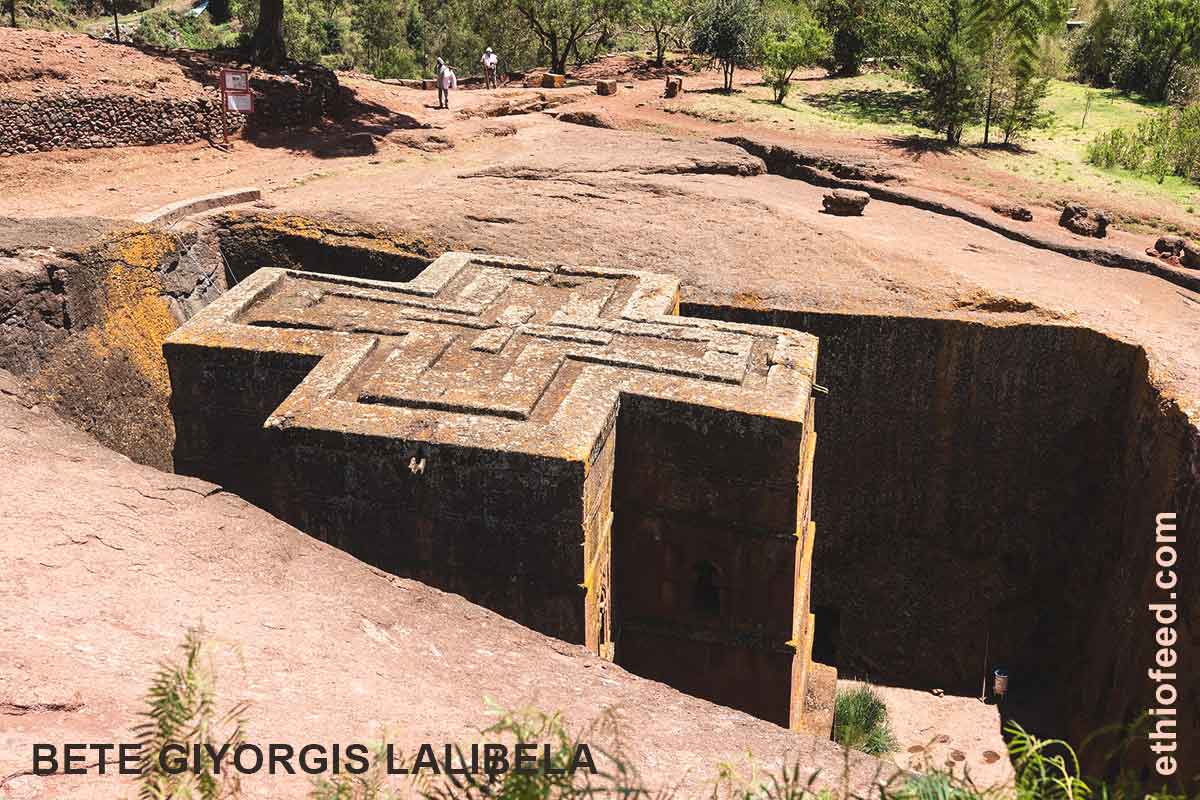
The 13 rock churches in Lalibela town are monolithic and semi monolithic. The churches are divided into three groups, the north-western churches, south-eastern churches and Saint George which is located away from the other clusters.

lalibela beite bete giyorgis ethiopia in lalibela  what to do in Lalibela

The Eastern Group:

1.            Bete Amanuel or ‘House of Immanuel’

2.            Bete Gabriel-Rufael or ‘House of the angels Gabriel, and Raphael’

3.            Bete Qeddus Mercoreus or ‘House of Saint Mercurius’

4.            Bete Lehem or ‘Bethlehem’

5.            Bete Abba Libanos ‘House of Abbot Libanos’

The Northern side of river Jordan churches:

1.            Bete Maryam or ‘House of Mary’- A model of tombs of Adam and Christ, one of the oldest churches with two floors

2.            Bete Meskel or ‘House of the Cross’

3.            Bete Denagel or ‘House of Virgins’- This small church honors the 36 virgins martyred under Julian.

4.            Bete Medhane Alem or ‘House of the Saviour of the World’ – This is the largest of the Lalibela churches and even the largest rock-hewn church in the world. You would be amazed by the one large stone that the building was carved out from and its colors and large columns and the landscape. It is a beautiful place to witness.

5.            Bete Golgotha Mikael or ‘House of Golgotha Mikael’ -This is a church with beautiful art, and is believed to be a tomb of King Lalibela.

The Western side churches:

6.            Church of Saint George

The buildings are built in a depressed space under the open ground and the buildings are level to the ground. The Trenches and tunnels take visitors from outside to the gates and from building to buildings.

The exterior wall decorations, Swastika carvings, window opening, wall paints make the buildings marvelous.

It is best to visit Lalibela during Ethiopian Genna (Christmas) and Timket (Epiphany) and on Meskel (Holy cross day), on January 7 and January 19 and September 27. During these days and even prior to these days the number of tourists and the number of local visitors would increase and the place would look more religious. You would witness the real spirit of the place and you can also preserve a memory.

Not only the number of people but also the number of services would increase as well. Hotel prices, food prices, and artifact prices might increase as well.

what to do in Lalibela: visit the rock-hewn churches

Related: Lalibela Ethiopia Map and Guide

How to travel from Gondar to Lalibela

2-  Visit Monasteries

You can easily find monasteries around Lalibela that have their own character and structures. The monastery of Ashetam Maryam, for example, is a magnificent view at the top of Abune Yosef mountain that is 3150 meters above sea level. 

Nakuto Le’Ab Monastery, a place of King Nakuto Le’Ab after he abdicated his throne in 1270 AD. The Monastery is built into a cave.

what to do in Lalibela: visit monasteries

3-  Visit Churches around the town

Yemrehana Kristos is one of the most amazing churches that was built from stone and wood. The interior is a great sight, with its religious decorations and paintings and carvings. The place is attached to a rock cave and is a place for pilgrims.

Another rock church, Genete Maryam lays around Lalibela, with its colorful construction.

It is said that pilgrims that traveled to see the place a century ago were buried at the place.

what to do in Lalibela: visit churches, near and outside the town

4-  Eco trekking

The town of Lalibela has mountains and valleys with a remarkable view. Mount of Abuna Yosef takes your breath away, literally. Hiking is possible on the mountain, on foot, along the escarpment. You can stay overnight there for an affordable amount. You can also visit churches along the way.

what to do in Lalibela: Go eco trekking

5-  Join the weekly market

It is a bit out of touch for most foreigners as you would not find much to buy from the market. But it is a great way to meet the locals and understand their way of life. While going around the town, you would witness a vernacular architecture, which is a form of tukuls and a one-story Chika building. The tukuls are a tow story huts, built with stone and the chikas are built from mud and wattle.

what to do in Lalibela: join, take pictures in the local market

6-  Holiday events

If you are not into the buildings, then you surely would appreciate the social life and the celebrations. The events, especially on January 7, January 19 and September 11 are good times to meet people from all around the country and from the world. You witness the religious celebrations, social cohesion, and culture.

You would see religious people in white changing and singing and praying at the buildings. These days most of the atmosphere of town changes. And you would witness the real look of the town.

what to do in Lalibela: wait until religious events and join the crowd

What to Do in Lalibela: final remark

You can visit Lalibela at any time of the year, but it is good to visit the three events we mentioned above. It is then you would see the most out of the city and the churches. Traveling by vehicle is hard as the town is on high altitude, above sea level. Instead, use a plane from the capital city Addis Ababa or other nearby airports.

Well, that is not even the reason. The main reason is that a derive by car from the nearby by the city of Bahir Dar takes up to 8 hours and from Gondar takes 11 hours. If you still choose to use a car, you will get a contract car with a driver from these cities that would take you to Lalibela and back at affordable prices.

Related: Where to Stay in Lalibela, Affordable Options

You probably would have a guide that would lead you from building to building or from place to place, so you would not miss much.

You would have an option for a place to stay based on price and location. It is, however, to think about it before entering the town for a fast decision and budging. You can stay at places in the center of the town, in the old hotels. Although the buildings need renovation, the gardens, the city view, the people make the places sensible.

You also have a relatively expensive option in hotels with panoramic views of the mountains around the town. The best way for first-time visitors would be joining other visitors or move with a tout guide. That way you would increase efficiency and save money.
What is Ethiopia known for? 14 facts Ethiopia is known for.

0
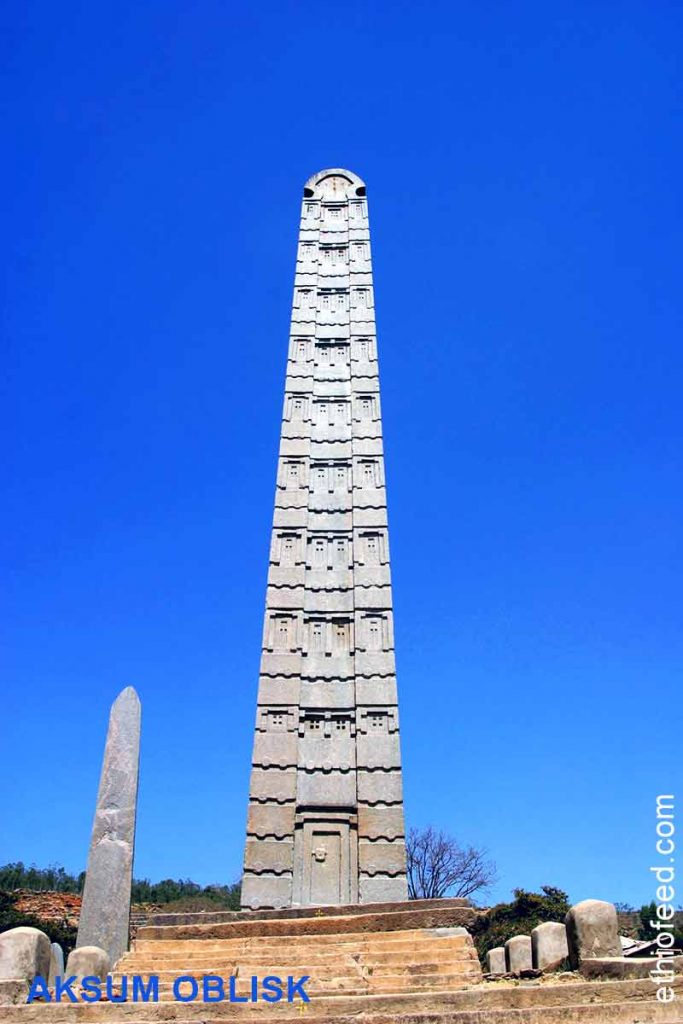
aksum oblisk

What is Ethiopia known for? Ethiopia is known for its history, culture, monuments, achievements and more. Ethiopia is a country in the eastern horn of Africa. The country has always been away from the world because of political and socio-economic reasons. The country has one of the largest populations in Africa and has diverse people with diverse cultures and lifestyles.

The country has a lot that the rest of the world did not learn in full. You may discover the rich resources, history, and culture of the country once you go there and find out for your self.

Therefore, Here I will show you 14 facts about what is Ethiopia known for.

1-Ancient civilizations

aksum oblisk

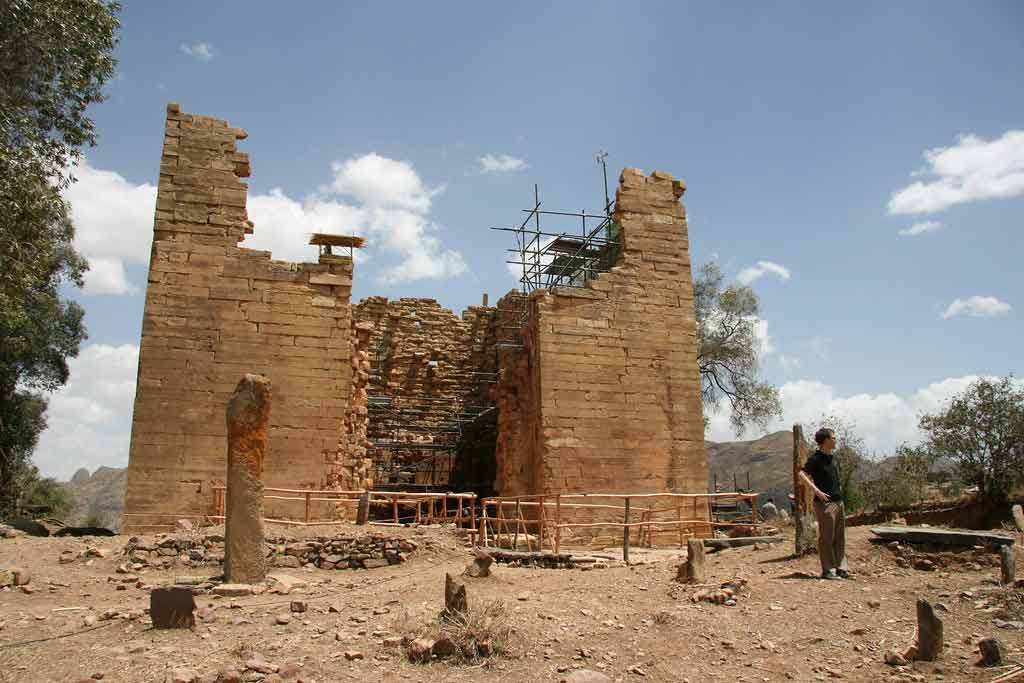
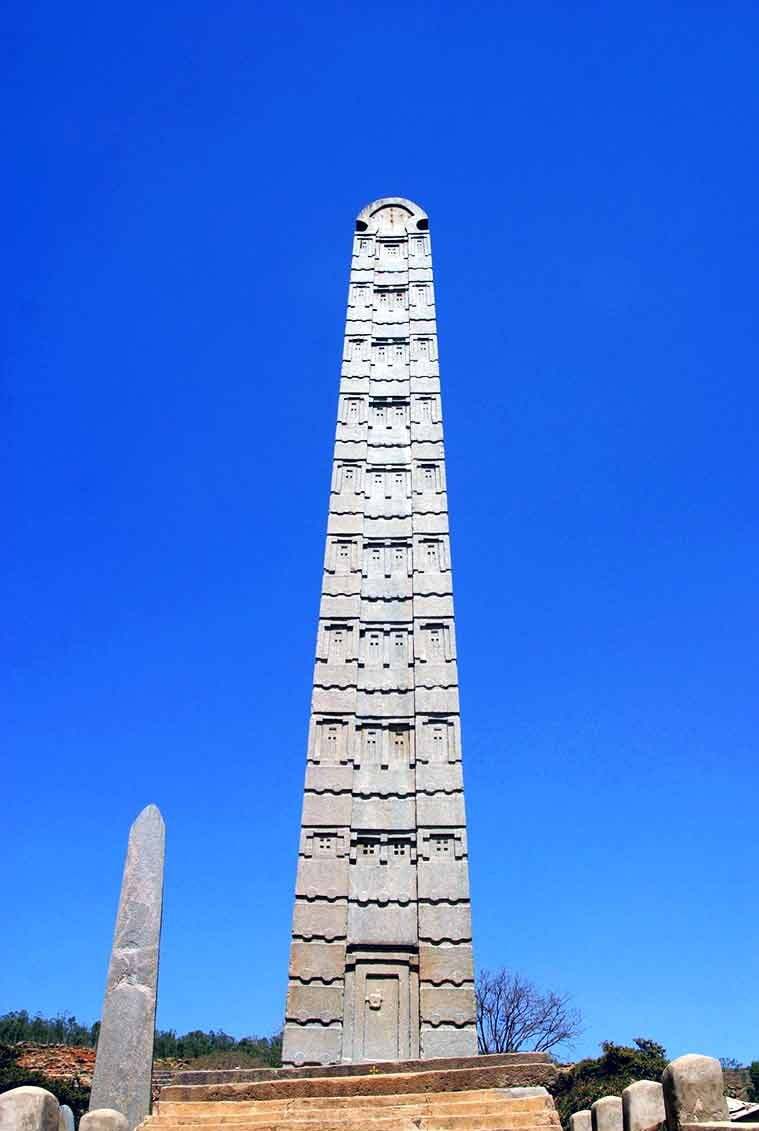
Ethiopia is one of the oldest civilizations in the world. The country’s name is mentioned many times even in the bible being as known and existing powerful nation. This history, or myth for some, is preserved with the stalls and secondary resources. Axum is one of these civilizations, that existed in about 400 BC, today located in the northern part of Ethiopia. Axum today is a tourist town, serving thousands of tourists every year.

Axumite empire was a center for marine trading power and is mentioned in the Roman era writings. The city is largely associated with the Ethiopian Orthodox Christianity and is considered as one of the holy places in the religion.

Besides the ancient steles dating around 1700 years old and ranging up to 33 meters tall and more than 500 tons in weight, the sight is definitely a place to inspire. The gold coins of the time, the household furniture and articulations all make it unique. Ethiopia is known with ancient history and civilizations that still exist in history.

What is Ethiopia known for: Civilization

yeha ethiopia
“Yeha” by Travel Aficionado is licensed under CC BY-NC 2.0 

2-Yeha

is a town in the Tigray region in Ethiopia. The place is the capital of pre-Axumite. The region has one of the oldest standing structures in Ethiopia. The Sabaean style tower buildings resemble the South Arabian structures dating back in 700 BC. The places also have a monastery of Ethiopian orthodox churched founded even before 1500.

What is Ethiopia known for: Civilization

3-Mountains

For someone from the west or from a low altitude region, Ethiopia is located on a hillside, some places up to 4500 or more above sea level. This means the air density is low and you need more oxygen to breathe. If you travel to the mountain areas of the country, it is better to prepare your lungs for more exercise. Ethiopian mountains such as Ras Dejen or Ras Dashen that is 4533 meters of 14,872 feet high is located near semen mountains. The Semen mountains, in the northern part of Ethiopia, are a chain of mountains making a great landscape that is unique.

seimen mountains ethiopia

Bale mountains stand second in the country being 4377 meters high followed by mount Batu that is 4307 meters high. These are located in the Oromia region of the southeast part of Ethiopia.

What is Ethiopia known for: Crazy landscape

4-Danakil Depression

On the other hand, Ethiopian is known for Danakil depression that lays 125 meters below sea level. The Danakil depression is located in the Afar region, near the Eritrean border within an area of 200 by 50 km or 124 by 31 miles. The place is full of surface lava, hot springs, colorful landscapes because of the minerals and Erta Ale lava erupting from the ground. Erta Ale is an active volcano with crater lakes of lava coming out of the surface.

denakil depression , afar ,ethiopia

This place of beauty and hell on earth is not a place of a picnic. It is one of the hottest places on planet Earth in its average annual temperature. Amazingly, nonetheless of the acidic and salty conditions and climate conditions, the place habits microorganisms.

What is Ethiopia known for: Crazy landsacpe

5-Ethiopian Coffee

There are many countries, especially those located near the equator grow coffee. However Ethiopian coffee stands to be unique and on the top list in the world. Ethiopian coffee dates back to the 9th century where a goatherder named Kaldi discovered the hyper effect his goats got after consuming the coffee plant. Arabic scientific documents also recorded that this drink has been used in Ethiopia at that time.

how to make ethiopian coffee at home

Ethiopia contributes to 3 percent of the global coffee market demand. The Ethiopian coffee was on the media when National coffee associations accused Starbucks of striping the Ethiopian coffee farmer’s potential earnings. Starbucks was pressured to sign a contract to pay for using a regional name where the coffees came from that created the need for the coffee. Finally, they agreed with Ethiopian officials for an undisclosed amount.

Related: How to make Ethiopian Coffee at Home

What is Ethiopia known for: Coffee

6-Injera, what is Ethiopia known for

Injera is a flatbread made out of a Teff flour. Teff is a crop with tiny seeds that are not usually considered as food in many countries. Injera is iron-rich and is only grown in some elevations and rainfall amounts.

The bread is unique and sour in taste, especially for those who taste it for the first time. Injera is used with a liquid food that is called wot. You eat the liquid wot or the sauce with the injera. Some say the low calorie of the bread is responsible for the easy weight loss in the country. And once you get used to the taste, it becomes good food on the side. Ethiopians who live in the west also modified Injera replacing ingredients that are not easily found in the places they live in. You can visit a local Ethiopian restaurant to taste injera and for Ethiopian bites as well.

What is Ethiopia known for: Food

7-Origin of humankind

You probably have heard about Lucy, a female species discovered in 1974 in the Afar Triangle in Ethiopia. The Lucy skeleton, with hundreds of pieces of bone fossils, are collected to make some portion of her skeleton. The skeleton is dated back to 3.2 million years old and has a small skull and is bipedal, and walking upright.

Ethiopian was associated with Lucy as a birthplace of mankind. Many similar even older fossils have been found in these places in Ethiopia. Lucy became famous especially after a book by Johanson in 2007 and Lucy’s legacy: the hidden treasures of Ethiopia. The skeleton was returned to Ethiopian in 2013 and has been touring to us and back ever since.

What is Ethiopia known for: Origin of mankind

8-Indigenous plants and animal species

The country has diverse climatic and landscape compositions and is unique for its plants and species. Ethiopia had 277 species of mammals, 262 species of birds and 6600 species of plants in 2002. These include Jasmine, myrrh, Chat (addictive chewed plant), Caraway, and red pepper and more. Animal species include baboons, Ibex, red fox, cheetah, lion, and elephants.

Animas including the indigenous ones such as Black rhinoceros, Ethiopian Fox and Walia Ibex are among critically endangered mammals.  Mountain Nyala, Nubian ibex, and African wild dogs are also endangered animals in the country.

Animals such as Gelada baboons, Ethiopian Wolf, Mountain Nyala, Black Maned lion, Somali wild ass, Bale mountain Vervet are some of the indigenous animals in Ethiopia.

What is Ethiopia known for: Wild life

9-Festivals

Many tourists are attracted to festivals in Ethiopia, especially religious celebrations. Timket or the baptism of Christ festival is among these highly celebrated days in the country. On January 19, people gather in the middle of the city of Addis Ababa to celebrate the day. Priests in many churches take Tabot (the ark of the covenant, indicated in the bible and these churches could have one), covered with ornamental cloth and is taken to a tent near a water stream.  With chants, songs and celebrations it is taken on foot to places near the church.

ethiopian-celebration

Celebrations in the capital city Addis Ababa is done in an open field called Jan Meda. After celebrations, the Tabot is taken back to the church in the evening. the horsemen, the procession, the celebrations, the clothing, the chants all make the day memorable, especially for the tourist.

Meskel is also another celebration, on September 27., a commemoration of the crucifixion of Christ. The celebration continuous with processions, burning torches in the middle of the city, in Meskel Square in Addis Ababa. It is also celebrated everywhere in neighborhoods.

10-Running and great Ethiopian run

Running seems a child of east Africans as these are the ones that always set a record in running. People like Haile Gebre Selassie and Derartu Tulu and many younger runners are knowing in the field. Especially Haile is known in many countries for the repetitive records he broke.

Haile also started a great Ethiopian run, a 10-kilometer-long annual running even in November. His programs begin months before and numbers and cloths are assigned to paying runners. The rest informally participates. Together with diplomats, embassy employees, government representatives, the community and more, the program continues with fun dancing and running to finish the 10 kilometers. More than 50,000 people participate in the event.

What is Ethiopia known for: Athletics

11- Eskista, dance (what is Ethiopia known for)

Ethiopian dancing translated to dancing shoulders is a unique Ethiopian dance style done by shaking shoulders and upper body. Ethiopia has many dances that have their own unique moments and stories. There are usually done with traditional music that has a unique beat that encourages a strong dance movement. The dances are harder than they look and many tourists enjoyed them but with poor performance. But it is a unique form that makes Ethiopia known in the world.

12-Rock

Hewn churches Lalibela- The UNESCO preserved eleven medieval monolithic churches still stand in the region of Lalibela. These are churches carved out of a rock. The churches were built in the 12 century by king Lalibela with unique and unique architectural styles. What makes them more unique is that these were chiseled out of a single rock to make every structure. The trenches and ditches and spaces and opening were also vastly thought upon.

History of lalibela bete giyorgis ethiopia

Besides the historic aspect of the church, the decorations, the spaces make the place beautiful and worth to visit. Due to natural and man-made reasons, the churches are losing their structure, cracks and surface deterioration are also challenges. Still, they stand a good attraction place.

13-Hamar

Hamar has been a destination for many tourists. The Hamar people are Omotic people in the southwest part of Ethiopia. These are known with their nude living, only covering some part of their bodies and their culture of cattle or bull jumping. Boys jump back and forth tow times on the row of cattle and should not fall in order to marry. It is another form of men initiation. Women initiate whipping on the back for the boys who have been initiated. The whole experience and lifestyle are unique even to the other regions.

What is Ethiopia known for: unique culture

14- Rastrafari

Rastafari or Rastafarianism is a religion that began in Jamaica in 1930 based on biblical truth and based on Ras Teferi or Ethiopian king Haile Selassie who ruled from 1930 to 1974. Haile Selassie is the second coming of Christ for the Rastas and believed it is a symbol for freedom of black society from western oppression which they call Babylon. The religion and the Ethiopian association also grew and also became famous after Bob Marley’s songs and lifestyle promotions.

The Rastas settle in a place called Shashemene and consider Ethiopia as a holy land. They also visit the place as a holy trip. Rastas are associated with the use of Marijuana, dread hair, reggae music, and green-yellow-red clothing.

What is Ethiopia known for: origin of religion

15- A unique time and year

Ethiopian year is different from the rest of the world. In fact, the Ethiopian calendar is 8 years younger. Even the time system is different. Ethiopians began their day at 1:00 and end at 12:00 and the evening begins at 1:00 again and ends at 12:00 once again. This is different from the western system that begins the day at 7:00. This makes the Ethiopia new year in September, not January. And other celebrations are also different.

What is Ethiopia known for: a unique time

What is Ethiopia known for? Ethiopia is known for its rich cultural, historical and natural resources. Most of the cultures, despite the foreign influence, persists up to date. The events such as Meskel, Timket, Great Ethiopian run are colorful and cultural celebrations. These have a unique signature that Ethiopia is known for. The Simien mountains, bale mountains and other parts of northern Ethiopia are also great for adventure. Their unique natural settings take the breath away. Many tourists find these places unique and extremely attractive. The Danakil depression is also a great scientific and physical space that adds quality to what Ethiopia is known for.  

The unique traditions of Hamar and the unique belief of the Rastafarians add a place for what is Ethiopia known for.

Ethiopia is also known for its respectful culture towards visitors. The people are peaceful and are welcoming. You will be amazed by how you are treated on the street or in any service area.

So what is Ethiopia known for?

What is the history of Lalibela? and unpopular stories

0

Visiting Lalibela is like visiting a place that you have not imagined before. The town, that is very small and even has no sophisticated city building and roads, seems daunting and limiting the imagination of what such a town could hold inside. The small tukuls and the hight elevation above sea level all limited the vehicular and road connection to the surrounding towns, probably contributed to the history of Lalibela.

In fact, this highland would not have much name if it was not for the religious artifacts it preserves for ages. Only this great mystery and myth opened the gate for the religious. Especially the Christian religious events bring up to 50,000 pilgrimages. The town only depends on tourism for day to day income.

Lalibela only has 200 Muslims and it still kept what has been years before, which was to make the second Jerusalem in Ethiopia. You sea level witness this with how dedicated the follower of the religion are, as they storm to the buildings early in the morning and pray to hold the pillars and facing the walls. You would see people in white changing and praying silently everywhere in the churches.

The depressed under the surface building and the cave extension buildings and free-standing buildings, all hold their own story for why these were built in the first place. The unique decorations and articulations depict the story behind them truly prove that probably the angels helped the masons in the construction process.

The history of Lalibela has not been sophisticatedly written, Even the rest of the world knew the existence of such a place 300 years after the construction of the churches. Some of the stories resemble myths that kings would write for In fact. ‘Angel appeared to them’, ‘Christ decided and ordered them’ and such depictions seem to have a place in hearts of the dedicated followers. The rest of us would prefer to observe and learn and admire the magnificence of the medieval architecture and thinking and how it contributed to the civilizations. We also learn the history of Lalibela and how it came about.

History of Lalibela: Beginning

The beginning of Lalibela dates back to the 12th century. The town is said to begin by a king called Lalibela that lived from 1181-1221. History of the city of Lalibela began with a legend of King Lalibela when he was a small child. While he laid in his bed, surrounded with a swarm of bees, his mother, surprised, called his name ‘Lalibela’ that translates in Agew language as ‘even bees see his power, to be a ruler’

Harabay, Lalibela’s older brother, jealous of the news, tried to murder Lalibela, even poisoned him that put Lalibela in three days coma. Later, legend says, Lalibela’s soul was taken to heavens and he was told to return to Roha, present-day so Lalibela, and build churches. He was crowned soon after he woke up from the coma and he continued to build the city.

He traveled to visit the city of Jerusalem where he witnessed the city under the power of Muslims in 1187. He returned to Lalibela to make the churches and the town with biblical names and references. He ruled for 40 years in the late 12th century.

History of Lalibela: King St. Gebre

Later King St. Gebre envisioned to build new Jerusalem following the Muslim conquest of Jerusalem. He even commissioned the construction of monolithic churches. Angels worked with the masons until the completion of the churches. People say that that ‘non-humans’ probably built them because of extremely hard workmanship of carving a building out of a single rock.

The buildings are shaped like a cross or other religious symbols. The windows, carvings, decorations, all depict such religious ciphers. The crosses used on the churches are two types, the Greek cross, and the Latin cross. The Greek cross has equal arms while the Latin one side is longer than the rest of the sides.

The Ethiopian Croix pattee, that is a Greek cross with flaring rays. Many crosses were made at the time. Lalibela crosses have bird head at the sides and have a crown of human silhouette depicting being as doves and the twelve apostles.  The third cross, swastika crosses that were highly used in the middle ages.

Lalibela was the capital of Ethiopian until the 13th century.

History of Lalibela: Visitors

The first European, missionary Francisco Alvarez, who visited the town between 1521- 1525 described the town as second Jerusalem. He was fascinated with the architecture of Lalibela churches and tried to show what he saw to where he came from.


He wrote’…it wearied me to write more these works because it seemed that they will not believe me if I write more and because as to what I have already written they will accuse me of untruth…’ He even swore that he was telling the truth saying that ‘…I swear my God under whose power I am that all that is written is the truth..’ He continued saying that there is much more than he had written and left it out since he thought that he would not be believed.  (Source: Alvarez 1961)

More ideas could be found about his pilgrimage and writing on ‘Notes on an Unpublished Manuscript of Francisco Alvares: Verdadera informaçam das terras do Preste Joam das Indias’

It was later the name Roha changed to Lalibela and the worldly life was changed to a holy town. 

History of Lalibela: Today

Today the town is one of the holiest places in the country and it inhabits churches, monasteries, and other religious celebrations. UNESCO registered the place in 1978 as world heritage sites, and some even consider them to be on the list of the top 10 wonders of the world. Today Lalibela could seem an everyday town in Ethiopia if it was not for the churches and religious associations. The town today is considered a holy place, next to Axum, and many people gather to celebrate and pray on many days of every year. It is also a destination for a number of tourists that flock to see the amazing architectural outputs of the 12th century.

Lalibela has 11 rock-cut churches and is studied grouped in three: the eastern group, the northern group, and the western group.

The Eastern Group includes various churches with own unique styles including Bete Amanuel or ‘House of Immanuel’; Bete Gabriel-Rafael or ‘House of the angels Gabriel, and Raphael’; Bete Qeddus Mercoreus or ‘House of Saint Mercurius’; Bete Lehem or ‘Bethlehem’; Bete Abba Libanos ‘House of Abbot Libanos’.

The Northern side of river Jordan churches include Bete Maryam or ‘House of Mary’; Bete Meskel or ‘House of the Cross’; Bete Denagel or ‘House of Virgins’; Bete Medhane Alem or ‘House of the Saviour of the World’ and Bete Golgotha Mikael or ‘House of Golgotha Mikael’. Church of Saint George is located away from the rest on the west side of the churches.

Lalibela has more than 50,000 residents and doubles the number of pilgrims visit the town on charismas or new year. The town still kept its vernacular architecture that is houses made of stones and Chika that is the ground. The weekly market, the monasteries, the churches around the town still function and are attraction places for visitors. The grandiose landscape that is much higher than many towns in the country is a scenery that many crave for. Some hotels are designed to portray such landscapes and are glass wall and open to the landscapes.

Due to the altitude, vehicles are sometimes discouraging. Some tourists still prefer to say in the town for a few days before leaving it behind. With such decisions, they needed to grasp the current story of the city. They could see in detail the creation of the town, could meet the people, could go on hiking or could go on a spiritual journey.

Today the town of Lalibela seems not moved much. But the history that it contains is still a great attraction point. The town has become a long way since the time of Lalibela and his calling to become a king in the presence of his elders. The town has turned silent and loud in its own way. It still persists to have amazed visitors with its structures.

Tomorrow surely, the town could develop and turn in to the bigger city, still preserving the key to the image of the city. It would grow to accommodate more competitive use and yet, it stays as a holy land of the country.

No matter how many pictures you have seen, you will not have a clue about how the town looks like if you have not experienced it first hand. History of Lalibela would be preserved in such acts of tourism that promotes the value of such structures. Although the structures are losing their beauty due to climatic conditions, erosion and constant use by the religious followers, the beauty still persists.

Lalibela Ethiopia map: location, path, and route of Lalibela Ethiopia

0

Where is Lalibela found in Ethiopia

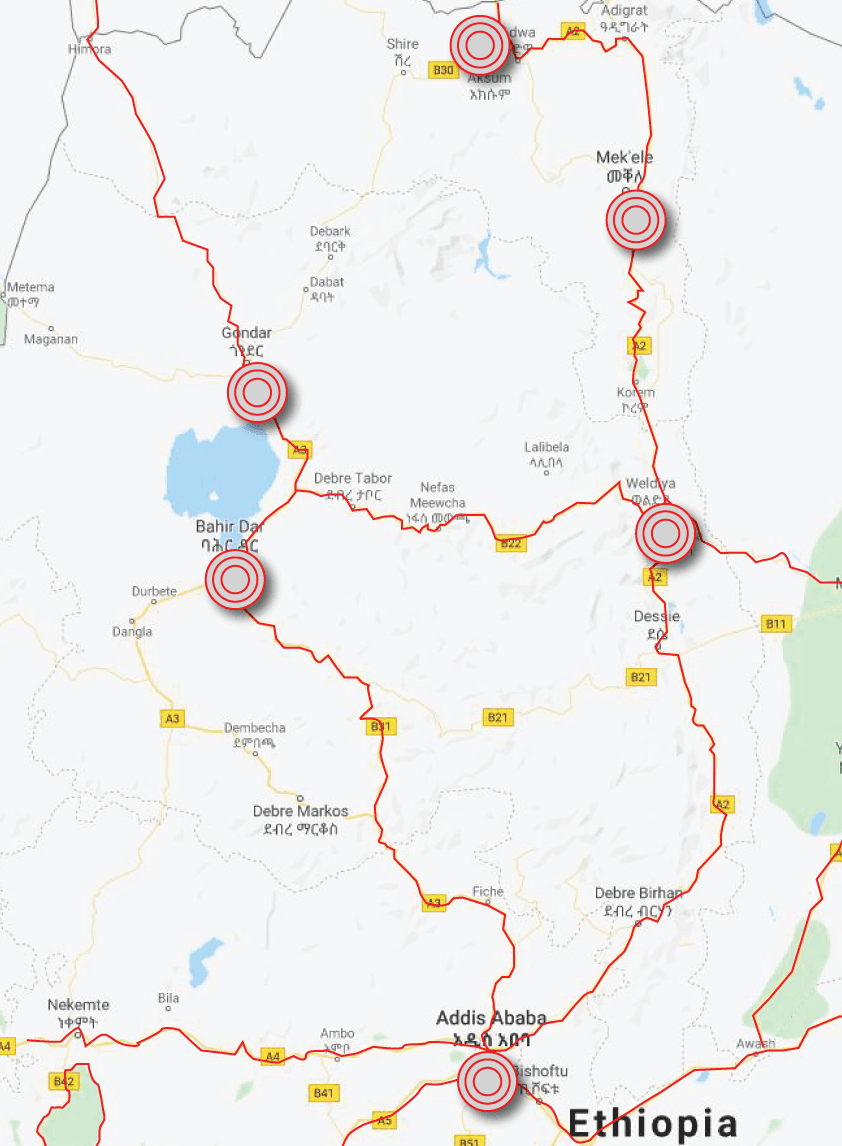
Lalibela is located in the northern part of Ethiopia, in the Amhara region and in the North Wollo zone. North Wollo zone is one of the 10 zones in the Amhara region. The town is located at coordinates 12°01′54″N 39°02′28″E. (Lalibela Ethiopia map)

It is found east of Bahir Dar, south of Gondar and north of Dessie.

Where Lalibela Located- Altitude

Lalibela is located at an elevation of 2600 meters and 8500 feet.

Traveling from Lalibela to another city

While traveling from Lalibela town to another city you have various options: on a bus, in a taxi or on a plane. But sometimes it is hard to travel by bus because of the high altitude Lalibela is located.

And you may need to changes buses on the way to get there. The long-distance buses are not allowed to enter the city. And arriving at stations, you will need to take minibusses.

Because of the gap in language and formal directions, sometimes it is confusing where to take buses or where to leave buses. You need to ask people and talk with them to show you directions.

Lalibela map Ethiopia

Lalibela Ethiopia map

Buses have their own cons. Since most travelers are rural populations, you need to adapt to the lifestyle. Sanitation issues are usually raised. The buses are sometimes crammed, so you need to take a seat first by showing up early to stations.  Get Prepared for hours of drive.

Often, the price for foreigners could go up. You can negotiate but still, they ask a fair price. Here are some tours you can take from Lalibela.

STAY IN LALIBELA: 50 OPTIONS

Lalibela to Bahir Dar

The flight from Lalibela to Bahir Dar takes 3 hours. The distance from Lalibela to Bahir Dar is almost 310.4 km and would take about 6 hours to get there on land. You will probably pay up to 50 dollars or more for a private drive.

Air flight from Lalibela airport to Gondar airport takes about 30 minutes, in case if you are at Gondar. A direct flight from Lalibela to Bahir Dar costs from 50- 200 dollars and would take you about an hour.

Well if you are into the adventure, take a bus from Lalibela to Bahir Dar, first take a dawn bus to Gashina, then take another Woldia-Bahir Dar bus. To return take the Bahir Dar- Woldia bus in the morning and then the Gashena bus in the afternoon.

Lalibela to Mekele

It usually takes up to seven hours to get from Lalibela to Mekele in a private car. Unfortunately, there are no direct buses from Lalibela to Mekele. It might be because of the topography; it is hard to find one. And even if you do, it would not be as comfortable.

You can also fly from Mekele to Lalibela, and that is the easiest way to get there. If you hire a private driver with a car it might cost you up to 200 dollars US. It is better to contact your tour guide or other guide offices for easy travel.

Some twisted the system into own advantages. I have seen some tourists flying from Lalibela to Axum, visit Axum and then drive from Axum to Mekele which is up to five hours’ drive. But the drive from Axum to Mekele is in the same region so better communication.

Lalibela to Gondar

The easiest travel from Lalibela to Gondar is on air. There is only one flight per day and it is a half an hour flight. The flight is 40 USD. The best time to book for Lalibela to Gondar flight is at least 2 months in advance.

From different flights, we see that Tuesday, Wednesday, and Saturday are cheapest and Sundays are expensive.  If you are planning to take the bust it takes you up to 6 and a half hours and 352-kilo meters.

To get a bus to Gondar, start at the bus station in Lalibela, which is about 2 kilometers out of the town. Take a small tuk-tuk taxi. You will pay from a dollar to a dollar and half USD. If you are a foreigner, you will probably pay 50 or higher.

Then take a bus to Gashena, a 2 or a bit more hours’ drive and it will cost you up to 3 dollars. The seat is first come first served. Make sure it is the right bus before boarding. The bus system is mediocre and doesn’t expect full information at least for a while. Communication is key.

At Gashena station, take another bus to Gondar, which costs up to 5 USD ore a bit more.  Due to some regulations, buses may transfer you to another in some town, usually at Wareta town.

They will do so for free since you paid full price to Gondar. Make sure the drivers have already agreed to take you there with no additional fee. At Azezo, again, you will get transferred to another minibus and the long-distance bus that you left will return. The minibusses will take you into the city of Gondar.  You will pay 25 c USD to 50 cents to get to the city.

The trip from Lalibela to Gondar on a bus is a walk and tuk-tuk to the station, transfer from station to station, transfer from bus to bus and finally takes up to 10 hours and about 12 dollars USD in total. That is 28 dollars less than airfare but nine hours more time.

Best tips for your travel locally

  1. If you have an international flight with Ethiopian airlines and if you have the ticket, you will probably qualify for a discount as much as half the original price. It is always good to ask for more information at ticket offices
  2. If you choose the bus, make sure you can get used to spending hours with the rural society in a bus. You may see a cultural and socioeconomic difference. Get used to it.
  3. Buses are much cheaper but much longer than air.

Lalibela Ethiopia map: hotels

STAY IN LALIBELA: 50 OPTIONS

There are various hotels in the city. They differ in price, quality, and services. Some of these are Where to stay in Lalibela is a question many people ask before planning their trip. Lalibela is a small town and finding a place that is near the center and that is safe and accessible is not that hard. In fact, you will find many options near the center.

Lalibela Ethiopia map

There are many options for where to stay in Lalibela, based on price, location, and preference. These options include price, location, and your trip objective. You need to ask where you have children, or you have pets, or you need WiFi or you need a social life, or you are in a group or not. Choose your hotel based on these factors.

Lalibela best hotels

Here are more than 34 places to stay in Lalibela. These have their own quality and lack. Choose based on your needs. These are Zagwe Hotel,  Maribela Hotel, Lalibela zagwe hotel, Lalibela mountain view hotel, Lalibela Jerusalem hotel. Some hotels have small rooms with cheap price tags others are a bit high end and have better service. Some allow pets while others forbid it. Most hotels offer parking spaces.

Lalibela churches map- Lalibela Ethiopia map

The 13 churches in Lalibela town are monolithic and semi monolithic. You need to understand the churches in three groups, the north-western churches, south-eastern churches and Saint George which is located away from the other clusters.

Lalibela Ethiopia map

The Eastern Group:

  1. Bete Amanuel or ‘House of Immanuel’
  2. Bete Gabriel-Rufael or ‘House of the angels Gabriel, and Raphael’
  3. Bete Qeddus Mercoreus or ‘House of Saint Mercurius’
  4. Bete Lehem or ‘Bethlehem’
  5. Bete Abba Libanos ‘House of Abbot Libanos’

The Northern side of river Jordan churches:

  1. Bete Maryam or ‘House of Mary’- A model of tombs of Adam and Christ, one of the oldest churches with two floors
  2. Bete Meskel or ‘House of the Cross’
  3. Bete Denagel or ‘House of Virgins’
  4. Bete Medhane Alem or ‘House of the Saviour of the World’
  5. Bete Golgotha Mikael or ‘House of Golgotha Mikael’ -This is a church with beautiful art, and is believed to be a tomb of King Lalibela.

The Western side churches:

  1. Church of Saint George

Response: where is Lalibela Ethiopia, where is Lalibela located in Ethiopia, Lalibela on a map , Lalibela map, Lalibela map, Lalibela Ethiopian , Lalibela Ethiopia map

Who Are Habesha people and What Are They Known For today?

1
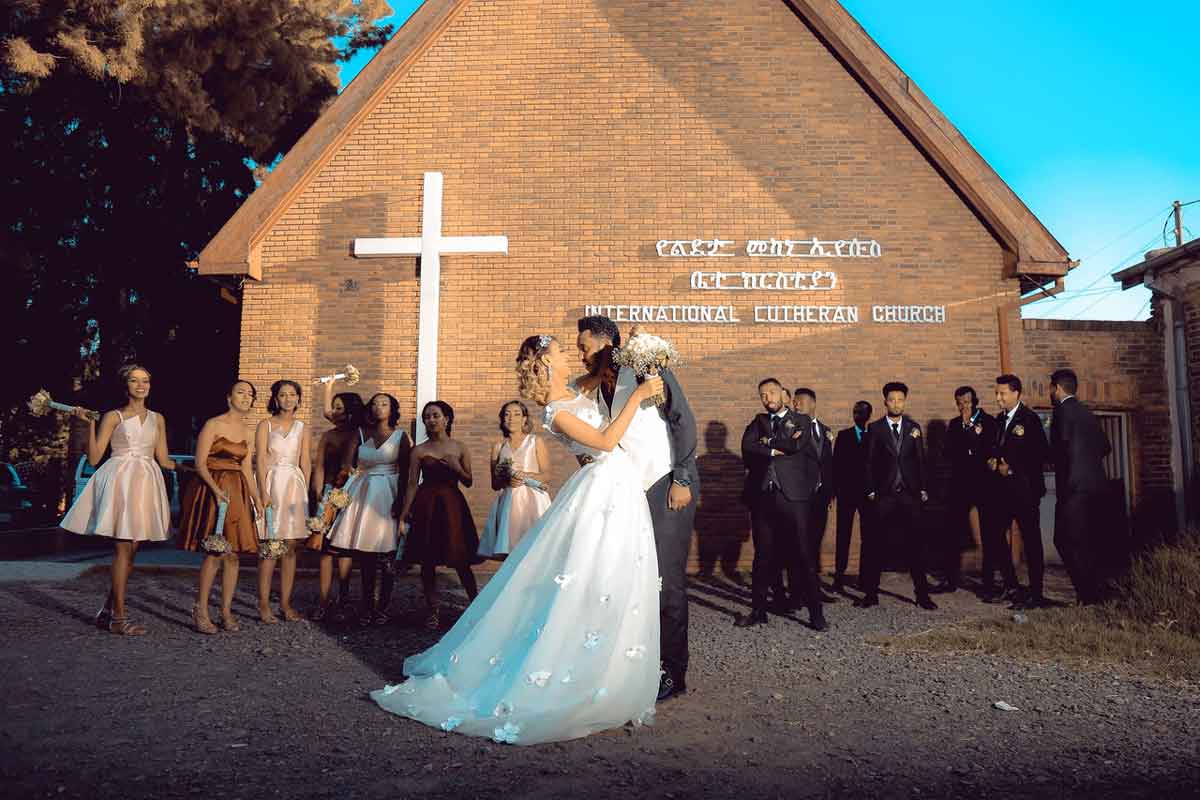
Ethiopain church protestant wedding
modern wedding in Ethiopia at the church

The Habeshas were known as people from the North part of Ethiopia ,therefore, the Tigre, the Agew, the Beta Israel and the Amhara. In contemporary speaking, however, the name Habesha people represents the people of Ethiopia and Eretria as a whole.

It represents a culturally related people than an ethnic society. The Habesha, also known as Abyssinians, is the name given to three distinct ethnic groups and some minor ones inhabiting the Horn of Africa.

They are the various related ethnic groups in the Eritrean Highlands and Ethiopian Highlands who speak languages belonging to the South Semitic branch of the Afro-Asiatic family. Members’ cultural, linguistic, and in certain cases, ancestral origins trace back to the Kingdom of D’mt and the later Kingdom of Axum.

Habesha people today also includes the whole of Ethiopia and Eretria. It is hard to distinguish one from the other. They all live together and are called with the same name. When we talk about the Habesha people we are including all the people in the country that shared culture for long.

Habesha people today include people in Eretria and Ethiopia. Habesha people have rich cultures that include unique dancing styles, clothing, food, and coffee ceremony. The traditional clothing includes Habesha Kemis, and other cultural clothing. The religion and the religious builds that date back to the medieval time also gives a name for Habesha people.

Here are 8 things the Habesha people are known for.

tribes in ethiopia -
Habesha people -

1-      Traditional clothing

Like many African countries, Habesha people also have a unique clothing culture that is exclusive to them. The white cloths that are usually seen on celebrations and cultural events are minimal and brilliantly beautiful.

The Habesha kemis (or Habesha dress) is the traditional cloth of the Habesha women. The white dress with few decorative stitching is usually worn by Ethiopian women on events including weddings, religious ceremonies and new year.

It is made of chiffon and typically comes in white, grey or beige shades. The cloth is also made with a small scarf or shawl called Netela used to cover the head or simply put around the shoulder to slightly cover and decorate the upper part of the clothing. The dress is a handmade painstakingly crafted by traditional methods. 

Simple traditional clothing is for men. Long sleeve, shirt, and trousers with a matching color and decorations. The shoe also matches the clothing and is usually open sandals. Netela is also worn with the clothing. The men usually will have a stick in their hand as a symbol of leadership and status. The white stick sometime will have a horse tail on its end that is used to as decoration.

Each ethnic group also has its own traditional clothing.

Ethiopain church protestant wedding

2-      Religion of Habesha People

The Habesha people played in religion. Christianity, for example, arrived in northern Ethiopian and arteria around the 4th century.

The Aksumites accepted the religion prior to many European Christian nations. centered in Axum and Adwa was part of the centers for the growth of the religion. Many of the churches, especially in Axum and Lalibela show this fact.

The churches with great decorations, well-thought scripts, and monolithic structures exhibit the place of religion in the Habesha people This means the churches were made from a single cliff with careful carving.

Islam is also directly linked to Habesha people. Storied tell that Mohammed, the prophet sent his people to Ethiopia fleeing from persecution. And the Habesha people accepted them and gave them a place, despite the existed religious difference.

Today, the two religions coexist together, except for some disagreement in recent years. The coexistence is also a symbol for Habesha people that it is possible to live together despite the difference.

foods in ethiopia

3-      Food and coffee

Habesha People have a unique food culture that emanates from the climate, everyday culture and social life. The spicy dishes, the Wot, a thick stew served with injera are some of the variations.

Injera is a flatbread that is made out of teff dough that is unknown in many places in the world. Food is usually composed of vegetables and spicy meat dishes in variation.

Shiro, a Wot made from ground beans is also a known food in the Habesha people community. Doro which is a unique way of making chicken is a flavor most tourists and visitors crave for.

Coffee has a place in the life of Habesha people. It is a ceremony. The processes that start from washing beans, roasting it, brewing and serving up to three rounds. The coffee ceremony is accompanied by music, chatting, decorations with grass and incense.

4-      The Habesha People Culture

The Habesha people were based on agriculture and used to herd animals. They farm with animals. And they built churches and based life around it.

Many people know Habesha people for their food that is relatively known in Europe and the US. Ethiopian food is famous and is frequented by some. The food brings another culture that is important to it.

A social gathering it promotes has a unique culture. Most of the ceremonies enforce coming together and get to know each other. Eating from the same plate and feeding each other is a stranger culture for some and yet a great way of promoting peace and coexistence.

The annual events such as Timket have a beautiful sight and is fun for many visitors.  The religious events are also part of the culture.

The coffee ceremony done on a timely basis is a great Habesha culture that promotes coming together. The coffee is an integral part of the Ethiopian community. The interdependence due to socioeconomic factors is supported by such traditions.

Habesha culture is also influenced by religion. Ethiopian Christianity is the main part of the social lifestyle. The weekly events, or yearly events, the fasting twice a week to encourage a vegan lifestyle are part of the culture. Even other religions have a big part in the culture of Habesha people.

The dances, the cultural clothing, cultural events all make a remarkable and memorable mark on visitors. Habesha culture is one that is worth investigating and learning as a tourist.

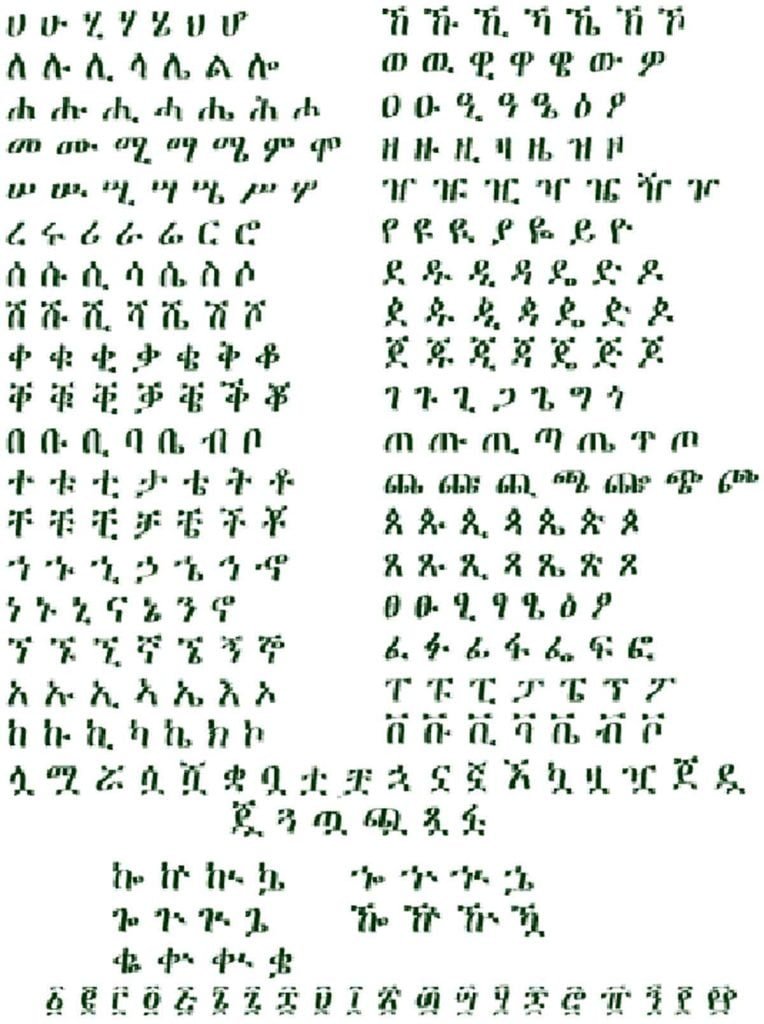
Ethiopian language amharic letters
“File:Amharic alphabet Fidel ፊደል.gif” by Abel Gebremariam is licensed under CC BY-SA 4.0

5-        Language

Habesha people are known with the diverse languages that have their own qualities. The northern part of the country speaks a Semitic language, including the classical language Ge’ez and Amharic.

Ge’ez language has a huge place in the Habesha society, especially in the orthodox church. The language is thought to begin with the adoption of Christianity in Ethiopia and Eritrea and the civilization of Axum in the 4th century BCE, during the reign of King Ezana.

The language is on the verge of extinction, and its use is limited to the Orthodox church. The Cushitic languages also flourish in the southern and center of the country. 

There are more than 80 languages spoken in the land.  

Related: What Does Ethiopia Looks Like?

6-        Origin of the Habesha people

The history of the Habesha people dates back to the Axumite Empire, which is in the first century AD. At this time, history tells, Hamitic-Semitic peoples (Sabaean traders) from South Arabian came into contact with native people and intermarried.

The generation afterward began being called locally as Habesha that translates as “people of mixed blood”. Their land (Tigray, Begemdir, Gojam, Northern Shewa, Welo) was later termed Abyssinia.

Later the people expanded to south and west, looking for resources. With the advice of Count Pietro Antonelli, an Italian with geographic Society mission in Abyssinia, the state of Abyssinia combined with the newly added states of the South and the West, was later referred to as “Ethiopia”

Habesha people are known for their origin and location that is situated in the present day of Ethiopia. The people have a unique culture and features that are different from the rest of the African and middle east countries.

The Habesha people are known for their peaceful settlement with hundreds of ethnic groups and few religions. The cultures such as the coffee ceremony and annual celebrations bring the people together and share each other’s culture.

For example, there is a unique culture where Christians could visit Islam acquaintances on their annual religious celebrations. At the events, they go to each other’s houses and share a meal and spend a day together.

Coffee is another unique culture. A house that made a coffee would call the rest of the neighbors to visit them at home and share a coffee with them.  The culture is unique and created a social bond in society.

The clothing style of the Habesha people is also a marvelous symbol of the place. The unique clothing styles, colors, decorations and designs are beautiful and create a symbol for the people.

The Habesha Kemis is vastly known with its minimal design with a white garment and few decorations on the edge of the cloths. Many Ethiopian advertisements include dresses to represent the people.

If you haven’t already tasted the food, Ethiopia is known for its local foods. A bit expensive but there are many Ethiopian restaurants around the world. If you look thoroughly, there is probably one in your city as well. Doro Wot, Beyaynet, and others are good for vegans and non-vegans. You can choose based on your preference.

Elephant Guides Of Nepal

0

Quisque nec finibus neque. Cras maximus sapien ac erat imperdiet finibus. Lorem ipsum dolor sit amet, consectetur adipiscing elit. Cras at nulla a massa ullamcorper consequat dignissim sit amet lectus. Nunc hendrerit odio purus, in scelerisque orci congue porta. Vivamus at tincidunt urna, vitae feugiat ligula. Aliquam sit amet aliquam leo. Interdum et malesuada fames ac ante ipsum primis in faucibus. Proin porta purus ut tellus ultrices placerat. Praesent sed lacus nec ante dapibus pellentesque. Aliquam posuere quam erat, ullamcorper auctor dui eleifend pharetra. Maecenas volutpat nibh dui, eu facilisis dui luctus et. Nulla luctus egestas orci, ac facilisis leo commodo a. Nam auctor venenatis dui posuere dictum. Orci varius natoque penatibus et magnis dis parturient montes, nascetur ridiculus mus.

Duis fringilla eros eros, ut pharetra nisl accumsan ut. Cras at rhoncus sem. Duis porta tellus purus, vitae posuere erat luctus sit amet. Curabitur dictum mattis metus, eu porttitor metus ullamcorper ac. Quisque ullamcorper sollicitudin tempor. Etiam ac tincidunt augue. Aenean ullamcorper vehicula est in egestas. Cras sollicitudin nisi non condimentum volutpat. Aliquam sed hendrerit lectus, nec faucibus lorem. Quisque ut interdum arcu.

Curabitur vel justo in nunc euismod viverra. Donec non nibh varius, dapibus metus eu, ornare justo. Aliquam dapibus velit urna, commodo sagittis nunc rutrum vitae. Etiam ultricies condimentum nunc, eu consectetur leo convallis sed. Praesent et neque in libero fermentum scelerisque. Sed tempus lobortis tempor. Proin euismod, purus vitae sodales dictum, nibh nulla feugiat magna, vitae facilisis est lectus ac ligula. Ut sagittis urna non dolor tempus, at euismod neque ultrices. In hac habitasse platea dictumst. Nunc et pellentesque mi.

Nam eget mauris at augue convallis placerat sit amet nec urna. Integer eu tortor dignissim, tincidunt est eu, mollis ex. Morbi risus diam, scelerisque quis arcu et, sodales tempus lacus. Nunc lobortis volutpat augue molestie auctor. Duis tempor velit at purus venenatis placerat. Mauris dapibus nisi vel diam dignissim, sit amet cursus tellus aliquet. Donec scelerisque leo diam, vel vestibulum nibh ornare quis. Phasellus velit tortor, viverra malesuada condimentum sit amet, sagittis vitae justo. Maecenas eget quam at lectus euismod suscipit sed ut massa. Suspendisse semper varius scelerisque.

Aliquam aliquam purus lorem, eu dignissim orci ullamcorper vel. Suspendisse potenti. Ut ac metus metus. Quisque vitae dignissim leo. Cras cursus quam eget sem consectetur, id vestibulum neque laoreet. Proin vel risus sit amet dolor sollicitudin lacinia. Curabitur a erat malesuada, facilisis nibh vitae, dapibus tellus. Duis maximus turpis at venenatis pretium. Donec est tellus, molestie ac vulputate in, lobortis vitae est. Quisque venenatis viverra auctor. Fusce et justo et odio ullamcorper venenatis.

One of Mexico’s best mezcals is also its greenest

0

Quisque nec finibus neque. Cras maximus sapien ac erat imperdiet finibus. Lorem ipsum dolor sit amet, consectetur adipiscing elit. Cras at nulla a massa ullamcorper consequat dignissim sit amet lectus. Nunc hendrerit odio purus, in scelerisque orci congue porta. Vivamus at tincidunt urna, vitae feugiat ligula. Aliquam sit amet aliquam leo. Interdum et malesuada fames ac ante ipsum primis in faucibus. Proin porta purus ut tellus ultrices placerat. Praesent sed lacus nec ante dapibus pellentesque. Aliquam posuere quam erat, ullamcorper auctor dui eleifend pharetra. Maecenas volutpat nibh dui, eu facilisis dui luctus et. Nulla luctus egestas orci, ac facilisis leo commodo a. Nam auctor venenatis dui posuere dictum. Orci varius natoque penatibus et magnis dis parturient montes, nascetur ridiculus mus.

Duis fringilla eros eros, ut pharetra nisl accumsan ut. Cras at rhoncus sem. Duis porta tellus purus, vitae posuere erat luctus sit amet. Curabitur dictum mattis metus, eu porttitor metus ullamcorper ac. Quisque ullamcorper sollicitudin tempor. Etiam ac tincidunt augue. Aenean ullamcorper vehicula est in egestas. Cras sollicitudin nisi non condimentum volutpat. Aliquam sed hendrerit lectus, nec faucibus lorem. Quisque ut interdum arcu.

Curabitur vel justo in nunc euismod viverra. Donec non nibh varius, dapibus metus eu, ornare justo. Aliquam dapibus velit urna, commodo sagittis nunc rutrum vitae. Etiam ultricies condimentum nunc, eu consectetur leo convallis sed. Praesent et neque in libero fermentum scelerisque. Sed tempus lobortis tempor. Proin euismod, purus vitae sodales dictum, nibh nulla feugiat magna, vitae facilisis est lectus ac ligula. Ut sagittis urna non dolor tempus, at euismod neque ultrices. In hac habitasse platea dictumst. Nunc et pellentesque mi.

Nam eget mauris at augue convallis placerat sit amet nec urna. Integer eu tortor dignissim, tincidunt est eu, mollis ex. Morbi risus diam, scelerisque quis arcu et, sodales tempus lacus. Nunc lobortis volutpat augue molestie auctor. Duis tempor velit at purus venenatis placerat. Mauris dapibus nisi vel diam dignissim, sit amet cursus tellus aliquet. Donec scelerisque leo diam, vel vestibulum nibh ornare quis. Phasellus velit tortor, viverra malesuada condimentum sit amet, sagittis vitae justo. Maecenas eget quam at lectus euismod suscipit sed ut massa. Suspendisse semper varius scelerisque.

Aliquam aliquam purus lorem, eu dignissim orci ullamcorper vel. Suspendisse potenti. Ut ac metus metus. Quisque vitae dignissim leo. Cras cursus quam eget sem consectetur, id vestibulum neque laoreet. Proin vel risus sit amet dolor sollicitudin lacinia. Curabitur a erat malesuada, facilisis nibh vitae, dapibus tellus. Duis maximus turpis at venenatis pretium. Donec est tellus, molestie ac vulputate in, lobortis vitae est. Quisque venenatis viverra auctor. Fusce et justo et odio ullamcorper venenatis.

The best hotels in Venice from luxury to budget

0

Quisque nec finibus neque. Cras maximus sapien ac erat imperdiet finibus. Lorem ipsum dolor sit amet, consectetur adipiscing elit. Cras at nulla a massa ullamcorper consequat dignissim sit amet lectus. Nunc hendrerit odio purus, in scelerisque orci congue porta. Vivamus at tincidunt urna, vitae feugiat ligula. Aliquam sit amet aliquam leo. Interdum et malesuada fames ac ante ipsum primis in faucibus. Proin porta purus ut tellus ultrices placerat. Praesent sed lacus nec ante dapibus pellentesque. Aliquam posuere quam erat, ullamcorper auctor dui eleifend pharetra. Maecenas volutpat nibh dui, eu facilisis dui luctus et. Nulla luctus egestas orci, ac facilisis leo commodo a. Nam auctor venenatis dui posuere dictum. Orci varius natoque penatibus et magnis dis parturient montes, nascetur ridiculus mus.

Duis fringilla eros eros, ut pharetra nisl accumsan ut. Cras at rhoncus sem. Duis porta tellus purus, vitae posuere erat luctus sit amet. Curabitur dictum mattis metus, eu porttitor metus ullamcorper ac. Quisque ullamcorper sollicitudin tempor. Etiam ac tincidunt augue. Aenean ullamcorper vehicula est in egestas. Cras sollicitudin nisi non condimentum volutpat. Aliquam sed hendrerit lectus, nec faucibus lorem. Quisque ut interdum arcu.

Curabitur vel justo in nunc euismod viverra. Donec non nibh varius, dapibus metus eu, ornare justo. Aliquam dapibus velit urna, commodo sagittis nunc rutrum vitae. Etiam ultricies condimentum nunc, eu consectetur leo convallis sed. Praesent et neque in libero fermentum scelerisque. Sed tempus lobortis tempor. Proin euismod, purus vitae sodales dictum, nibh nulla feugiat magna, vitae facilisis est lectus ac ligula. Ut sagittis urna non dolor tempus, at euismod neque ultrices. In hac habitasse platea dictumst. Nunc et pellentesque mi.

Nam eget mauris at augue convallis placerat sit amet nec urna. Integer eu tortor dignissim, tincidunt est eu, mollis ex. Morbi risus diam, scelerisque quis arcu et, sodales tempus lacus. Nunc lobortis volutpat augue molestie auctor. Duis tempor velit at purus venenatis placerat. Mauris dapibus nisi vel diam dignissim, sit amet cursus tellus aliquet. Donec scelerisque leo diam, vel vestibulum nibh ornare quis. Phasellus velit tortor, viverra malesuada condimentum sit amet, sagittis vitae justo. Maecenas eget quam at lectus euismod suscipit sed ut massa. Suspendisse semper varius scelerisque.

Aliquam aliquam purus lorem, eu dignissim orci ullamcorper vel. Suspendisse potenti. Ut ac metus metus. Quisque vitae dignissim leo. Cras cursus quam eget sem consectetur, id vestibulum neque laoreet. Proin vel risus sit amet dolor sollicitudin lacinia. Curabitur a erat malesuada, facilisis nibh vitae, dapibus tellus. Duis maximus turpis at venenatis pretium. Donec est tellus, molestie ac vulputate in, lobortis vitae est. Quisque venenatis viverra auctor. Fusce et justo et odio ullamcorper venenatis.

Trekking In The Ethiopian Mountains

0

Quisque nec finibus neque. Cras maximus sapien ac erat imperdiet finibus. Lorem ipsum dolor sit amet, consectetur adipiscing elit. Cras at nulla a massa ullamcorper consequat dignissim sit amet lectus. Nunc hendrerit odio purus, in scelerisque orci congue porta. Vivamus at tincidunt urna, vitae feugiat ligula. Aliquam sit amet aliquam leo. Interdum et malesuada fames ac ante ipsum primis in faucibus. Proin porta purus ut tellus ultrices placerat. Praesent sed lacus nec ante dapibus pellentesque. Aliquam posuere quam erat, ullamcorper auctor dui eleifend pharetra. Maecenas volutpat nibh dui, eu facilisis dui luctus et. Nulla luctus egestas orci, ac facilisis leo commodo a. Nam auctor venenatis dui posuere dictum. Orci varius natoque penatibus et magnis dis parturient montes, nascetur ridiculus mus.

Duis fringilla eros eros, ut pharetra nisl accumsan ut. Cras at rhoncus sem. Duis porta tellus purus, vitae posuere erat luctus sit amet. Curabitur dictum mattis metus, eu porttitor metus ullamcorper ac. Quisque ullamcorper sollicitudin tempor. Etiam ac tincidunt augue. Aenean ullamcorper vehicula est in egestas. Cras sollicitudin nisi non condimentum volutpat. Aliquam sed hendrerit lectus, nec faucibus lorem. Quisque ut interdum arcu.

Curabitur vel justo in nunc euismod viverra. Donec non nibh varius, dapibus metus eu, ornare justo. Aliquam dapibus velit urna, commodo sagittis nunc rutrum vitae. Etiam ultricies condimentum nunc, eu consectetur leo convallis sed. Praesent et neque in libero fermentum scelerisque. Sed tempus lobortis tempor. Proin euismod, purus vitae sodales dictum, nibh nulla feugiat magna, vitae facilisis est lectus ac ligula. Ut sagittis urna non dolor tempus, at euismod neque ultrices. In hac habitasse platea dictumst. Nunc et pellentesque mi.

Nam eget mauris at augue convallis placerat sit amet nec urna. Integer eu tortor dignissim, tincidunt est eu, mollis ex. Morbi risus diam, scelerisque quis arcu et, sodales tempus lacus. Nunc lobortis volutpat augue molestie auctor. Duis tempor velit at purus venenatis placerat. Mauris dapibus nisi vel diam dignissim, sit amet cursus tellus aliquet. Donec scelerisque leo diam, vel vestibulum nibh ornare quis. Phasellus velit tortor, viverra malesuada condimentum sit amet, sagittis vitae justo. Maecenas eget quam at lectus euismod suscipit sed ut massa. Suspendisse semper varius scelerisque.

Aliquam aliquam purus lorem, eu dignissim orci ullamcorper vel. Suspendisse potenti. Ut ac metus metus. Quisque vitae dignissim leo. Cras cursus quam eget sem consectetur, id vestibulum neque laoreet. Proin vel risus sit amet dolor sollicitudin lacinia. Curabitur a erat malesuada, facilisis nibh vitae, dapibus tellus. Duis maximus turpis at venenatis pretium. Donec est tellus, molestie ac vulputate in, lobortis vitae est. Quisque venenatis viverra auctor. Fusce et justo et odio ullamcorper venenatis.

Secrets of the Tower of London

0

Quisque nec finibus neque. Cras maximus sapien ac erat imperdiet finibus. Lorem ipsum dolor sit amet, consectetur adipiscing elit. Cras at nulla a massa ullamcorper consequat dignissim sit amet lectus. Nunc hendrerit odio purus, in scelerisque orci congue porta. Vivamus at tincidunt urna, vitae feugiat ligula. Aliquam sit amet aliquam leo. Interdum et malesuada fames ac ante ipsum primis in faucibus. Proin porta purus ut tellus ultrices placerat. Praesent sed lacus nec ante dapibus pellentesque. Aliquam posuere quam erat, ullamcorper auctor dui eleifend pharetra. Maecenas volutpat nibh dui, eu facilisis dui luctus et. Nulla luctus egestas orci, ac facilisis leo commodo a. Nam auctor venenatis dui posuere dictum. Orci varius natoque penatibus et magnis dis parturient montes, nascetur ridiculus mus.

Duis fringilla eros eros, ut pharetra nisl accumsan ut. Cras at rhoncus sem. Duis porta tellus purus, vitae posuere erat luctus sit amet. Curabitur dictum mattis metus, eu porttitor metus ullamcorper ac. Quisque ullamcorper sollicitudin tempor. Etiam ac tincidunt augue. Aenean ullamcorper vehicula est in egestas. Cras sollicitudin nisi non condimentum volutpat. Aliquam sed hendrerit lectus, nec faucibus lorem. Quisque ut interdum arcu.

Curabitur vel justo in nunc euismod viverra. Donec non nibh varius, dapibus metus eu, ornare justo. Aliquam dapibus velit urna, commodo sagittis nunc rutrum vitae. Etiam ultricies condimentum nunc, eu consectetur leo convallis sed. Praesent et neque in libero fermentum scelerisque. Sed tempus lobortis tempor. Proin euismod, purus vitae sodales dictum, nibh nulla feugiat magna, vitae facilisis est lectus ac ligula. Ut sagittis urna non dolor tempus, at euismod neque ultrices. In hac habitasse platea dictumst. Nunc et pellentesque mi.

Nam eget mauris at augue convallis placerat sit amet nec urna. Integer eu tortor dignissim, tincidunt est eu, mollis ex. Morbi risus diam, scelerisque quis arcu et, sodales tempus lacus. Nunc lobortis volutpat augue molestie auctor. Duis tempor velit at purus venenatis placerat. Mauris dapibus nisi vel diam dignissim, sit amet cursus tellus aliquet. Donec scelerisque leo diam, vel vestibulum nibh ornare quis. Phasellus velit tortor, viverra malesuada condimentum sit amet, sagittis vitae justo. Maecenas eget quam at lectus euismod suscipit sed ut massa. Suspendisse semper varius scelerisque.

Aliquam aliquam purus lorem, eu dignissim orci ullamcorper vel. Suspendisse potenti. Ut ac metus metus. Quisque vitae dignissim leo. Cras cursus quam eget sem consectetur, id vestibulum neque laoreet. Proin vel risus sit amet dolor sollicitudin lacinia. Curabitur a erat malesuada, facilisis nibh vitae, dapibus tellus. Duis maximus turpis at venenatis pretium. Donec est tellus, molestie ac vulputate in, lobortis vitae est. Quisque venenatis viverra auctor. Fusce et justo et odio ullamcorper venenatis.

Where to eat in Bangkok

0

Quisque nec finibus neque. Cras maximus sapien ac erat imperdiet finibus. Lorem ipsum dolor sit amet, consectetur adipiscing elit. Cras at nulla a massa ullamcorper consequat dignissim sit amet lectus. Nunc hendrerit odio purus, in scelerisque orci congue porta. Vivamus at tincidunt urna, vitae feugiat ligula. Aliquam sit amet aliquam leo. Interdum et malesuada fames ac ante ipsum primis in faucibus. Proin porta purus ut tellus ultrices placerat. Praesent sed lacus nec ante dapibus pellentesque. Aliquam posuere quam erat, ullamcorper auctor dui eleifend pharetra. Maecenas volutpat nibh dui, eu facilisis dui luctus et. Nulla luctus egestas orci, ac facilisis leo commodo a. Nam auctor venenatis dui posuere dictum. Orci varius natoque penatibus et magnis dis parturient montes, nascetur ridiculus mus.

Duis fringilla eros eros, ut pharetra nisl accumsan ut. Cras at rhoncus sem. Duis porta tellus purus, vitae posuere erat luctus sit amet. Curabitur dictum mattis metus, eu porttitor metus ullamcorper ac. Quisque ullamcorper sollicitudin tempor. Etiam ac tincidunt augue. Aenean ullamcorper vehicula est in egestas. Cras sollicitudin nisi non condimentum volutpat. Aliquam sed hendrerit lectus, nec faucibus lorem. Quisque ut interdum arcu.

Curabitur vel justo in nunc euismod viverra. Donec non nibh varius, dapibus metus eu, ornare justo. Aliquam dapibus velit urna, commodo sagittis nunc rutrum vitae. Etiam ultricies condimentum nunc, eu consectetur leo convallis sed. Praesent et neque in libero fermentum scelerisque. Sed tempus lobortis tempor. Proin euismod, purus vitae sodales dictum, nibh nulla feugiat magna, vitae facilisis est lectus ac ligula. Ut sagittis urna non dolor tempus, at euismod neque ultrices. In hac habitasse platea dictumst. Nunc et pellentesque mi.

Nam eget mauris at augue convallis placerat sit amet nec urna. Integer eu tortor dignissim, tincidunt est eu, mollis ex. Morbi risus diam, scelerisque quis arcu et, sodales tempus lacus. Nunc lobortis volutpat augue molestie auctor. Duis tempor velit at purus venenatis placerat. Mauris dapibus nisi vel diam dignissim, sit amet cursus tellus aliquet. Donec scelerisque leo diam, vel vestibulum nibh ornare quis. Phasellus velit tortor, viverra malesuada condimentum sit amet, sagittis vitae justo. Maecenas eget quam at lectus euismod suscipit sed ut massa. Suspendisse semper varius scelerisque.

Aliquam aliquam purus lorem, eu dignissim orci ullamcorper vel. Suspendisse potenti. Ut ac metus metus. Quisque vitae dignissim leo. Cras cursus quam eget sem consectetur, id vestibulum neque laoreet. Proin vel risus sit amet dolor sollicitudin lacinia. Curabitur a erat malesuada, facilisis nibh vitae, dapibus tellus. Duis maximus turpis at venenatis pretium. Donec est tellus, molestie ac vulputate in, lobortis vitae est. Quisque venenatis viverra auctor. Fusce et justo et odio ullamcorper venenatis.

Highlighting what’s important about questions & Answers on Discy Community!

1

We want to make it easier to learn more about a question and highlight key facts about it — such as how popular the question is, how many people are interested in it, and who the audience is. To accomplish that, today we’re introducing Question Overview, a new section on the question page that will make it easier to find the most important information about a question and its audience. Question Overview includes all of the information from the old Stats section, as well as new facts such as individual question followers you may be interested in (e.g. people you follow or other notable users), recent views on the question, or if the question is Most Wanted in a topic. We have lots of ideas for ways to make the Quora product and experience better. But we also value keeping our simple so everyone can focus on the most important features. Today we’re introducing Labs*, a new way we can bring features we haven’t chosen to introduce broadly as an option for you to try out. We hope that the products we build for Labs will make your Quora experience more enjoyable. Without further ado, our first ever Labs feature is: Keyboard Shortcuts! You will be able to navigate and take actions on Discy awesome features on the web without ever lifting your fingers off your keyboard. To get started, go to your Settings page and click on the Labs tab. Keeping quality high is Disuss’s number one priority as we work to achieve our mission. In the coming weeks and months, we’ll be making major changes to strengthen quality. These changes will reward great questions and answers with better ranking and distribution and marginalize mediocre and low-quality answers. In other words: high-quality answers and useful knowledge shared will reach and help more people. Today, we’ve published a new in-depth answer that describes what quality means on Quora, and what it means to be helpful. What a helpful answer looks like. In summary, helpful and high-quality answers.